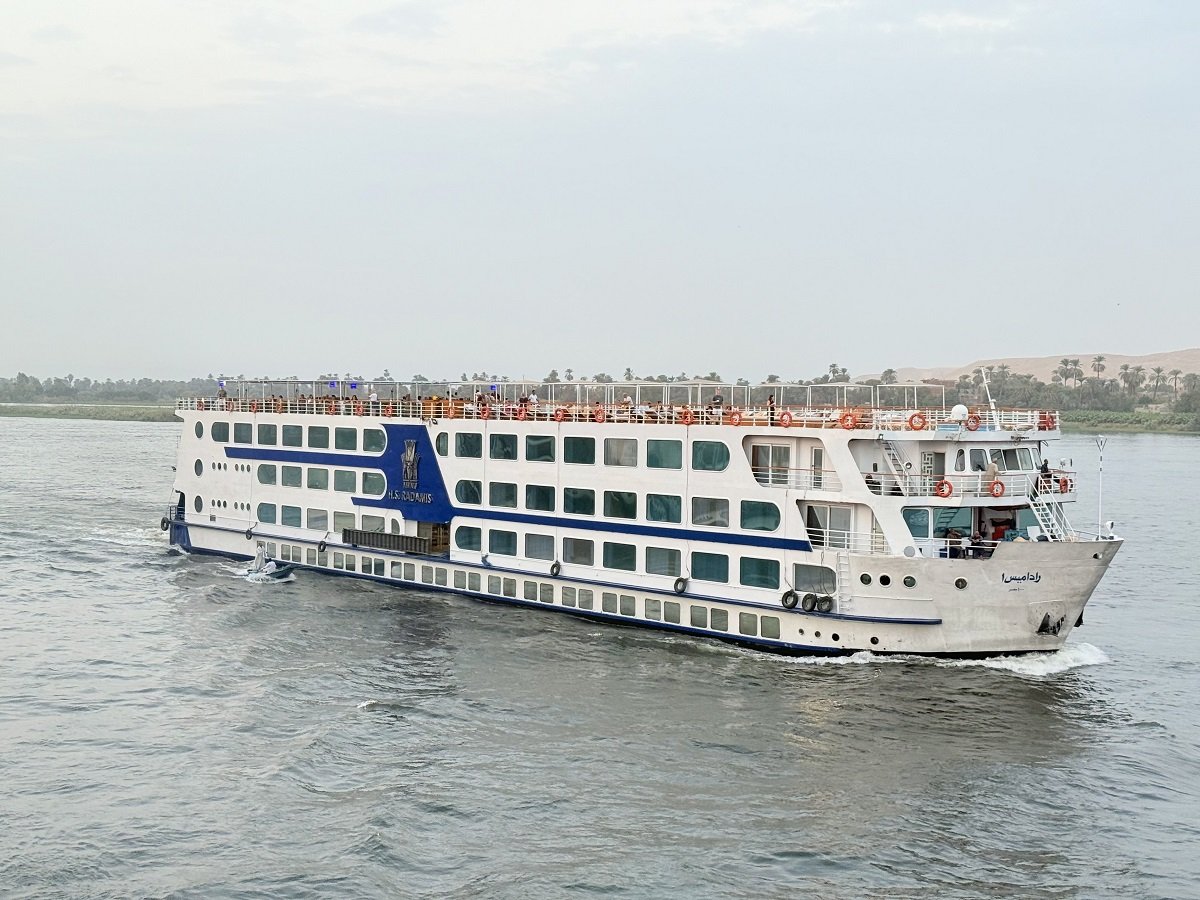
This 12 day Egypt tour with Nile cruise gives you Egypt in full: the pyramids, the Mediterranean, three nights sailing between Aswan and Luxor aboard a cruise ship, and three more on the Red Sea at Hurghada. It suits travellers who want the great sites without a punishing pace, and who’d rather finish a trip rested than exhausted.
You start in Cairo, at the Great Pyramids of Giza and the Grand Egyptian Museum, where the complete Tutankhamun collection is now displayed together for the first time since its discovery. A full day in Alexandria takes you to the Catacombs of Kom El-Shoqafa and the Citadel of Qaitbay — a Greek and Roman Egypt most visitors never see.
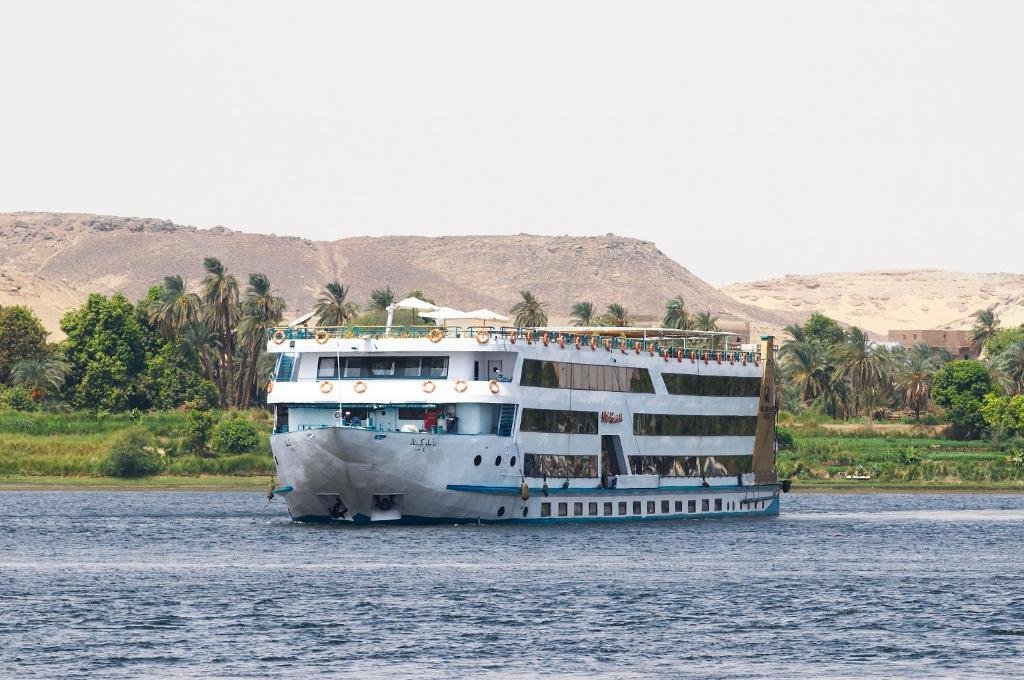
Then you fly south to Aswan and board your cruise ship for three nights. Philae, Kom Ombo, Edfu — the most completely preserved temple in Egypt, then Karnak, the largest religious complex of the ancient world, and the royal tombs of the Valley of the Kings. From Luxor you continue to Hurghada for three all-inclusive nights on the Red Sea, with diving, snorkeling and reef trips available whenever you want them.
Both domestic flights, all transfers, entrance fees and 25 meals are included. Every itinerary we write is built by a working Egyptologist, which is why the temple days are sequenced the way they are — chronologically, so the history makes sense as you move through it, rather than in whatever order is easiest to drive. Skipping Alexandria? The 11 day Egypt tour with Nile cruise covers Cairo, the Nile and Hurghada in one day less.
Prefer to sail the Nile by felucca? The 12-Day Enchanting Egypt tour swaps the cruise ship for two nights under sail, and the 12 Day Luxury Trip to Egypt follows this route with luxury hotels and ships. Want one more beach day? The 13 day Egypt tour with Nile cruise follows the same route and adds a fourth night in Hurghada.
Our representative meets you inside Cairo International Airport, before passport control, and stays with you through visa formalities and baggage. From there it is a private air-conditioned transfer to your hotel. The rest of the day is yours to rest and adjust, the first full day of your 12 day Egypt tour with Nile cruise starts early, and jet lag is easier to beat with an evening off.
Meals Plan: No Meals Included
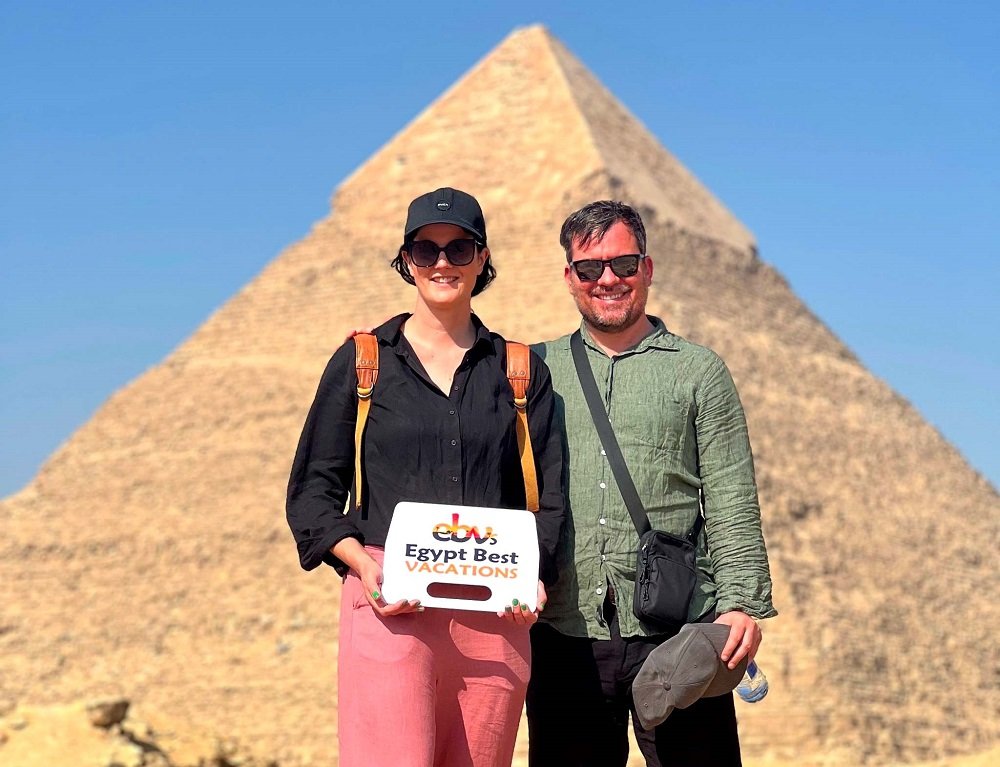
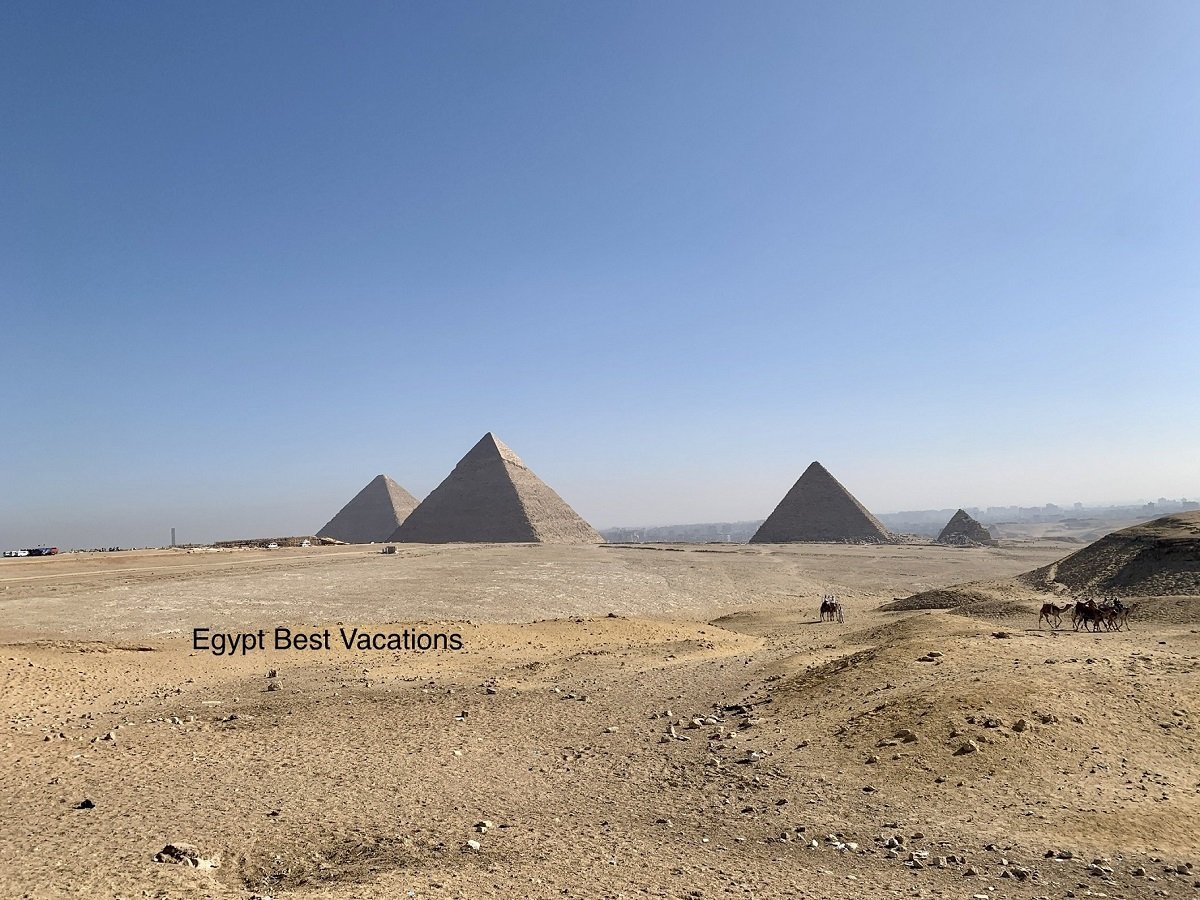
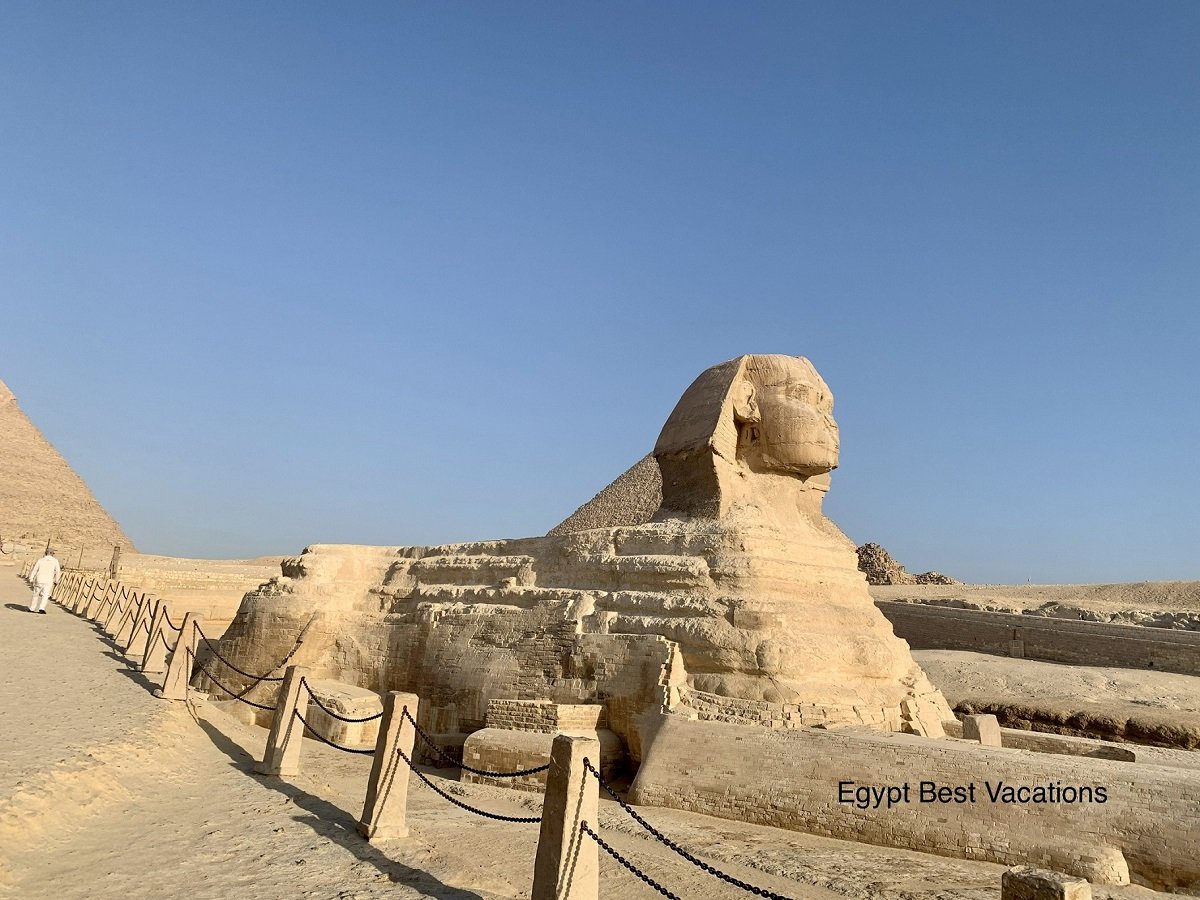
Your guide collects you after breakfast for the Giza Plateau: the pyramids of Khufu, Khafre and Menkaure, and the Sphinx that has watched over them for four and a half thousand years. Khufu’s pyramid is the only one of the seven wonders of the ancient world still standing. You will learn how it was built, how long it took, and why the answer to “why” is more interesting than the tomb theory most people arrive with.
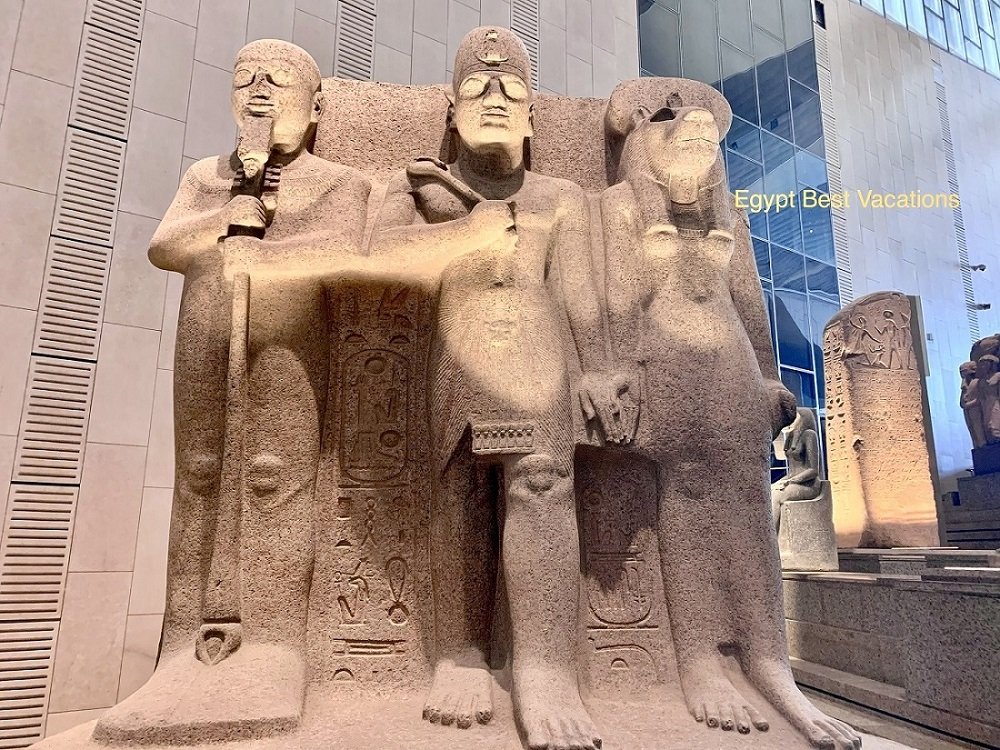
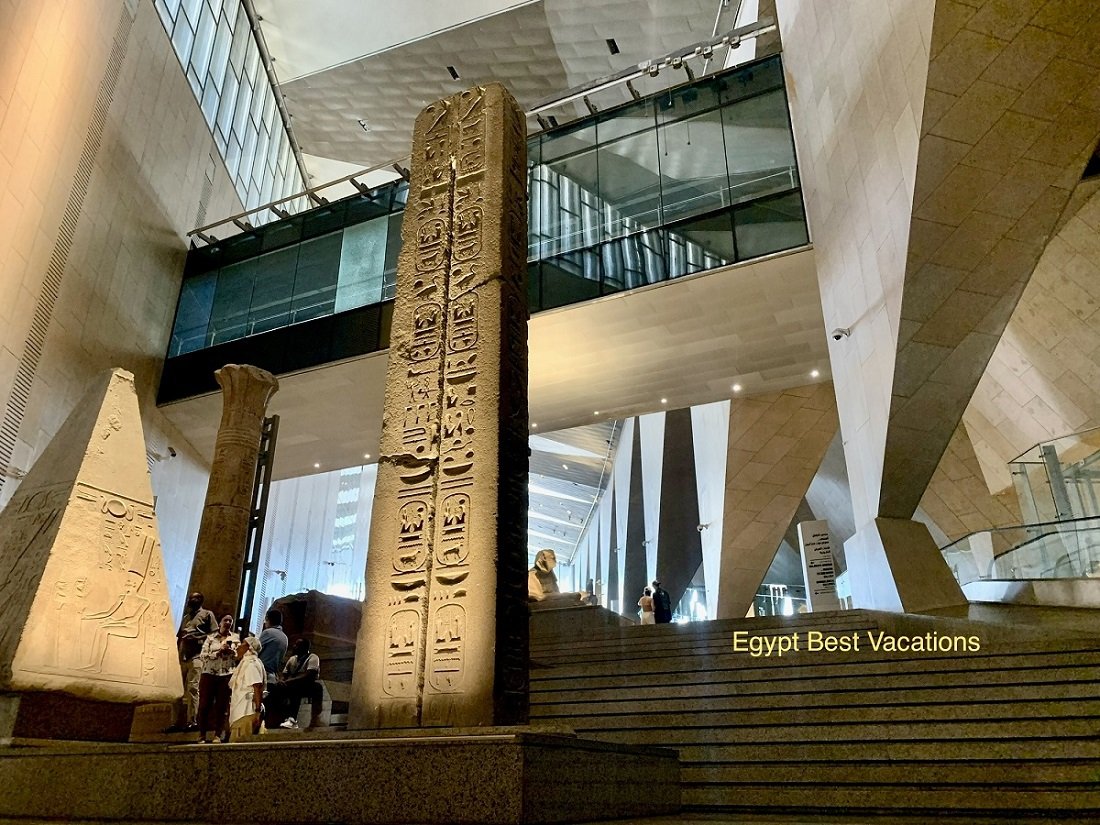
After lunch at a local restaurant, you continue to the Grand Egyptian Museum. This is where the complete Tutankhamun collection now lives — all of it, displayed together for the first time since Howard Carter emptied the tomb in the 1920s. The Grand Staircase, the immersive galleries and the sheer scale of the building take time, so we allow for it rather than rushing you through.
Transfer back to your hotel.
Meals Plan: Breakfast & Lunch
An early start today: Alexandria sits about three hours from Cairo along the desert road, and it is worth every minute. This is Greek and Roman Egypt, and it looks nothing like the Egypt you saw yesterday.
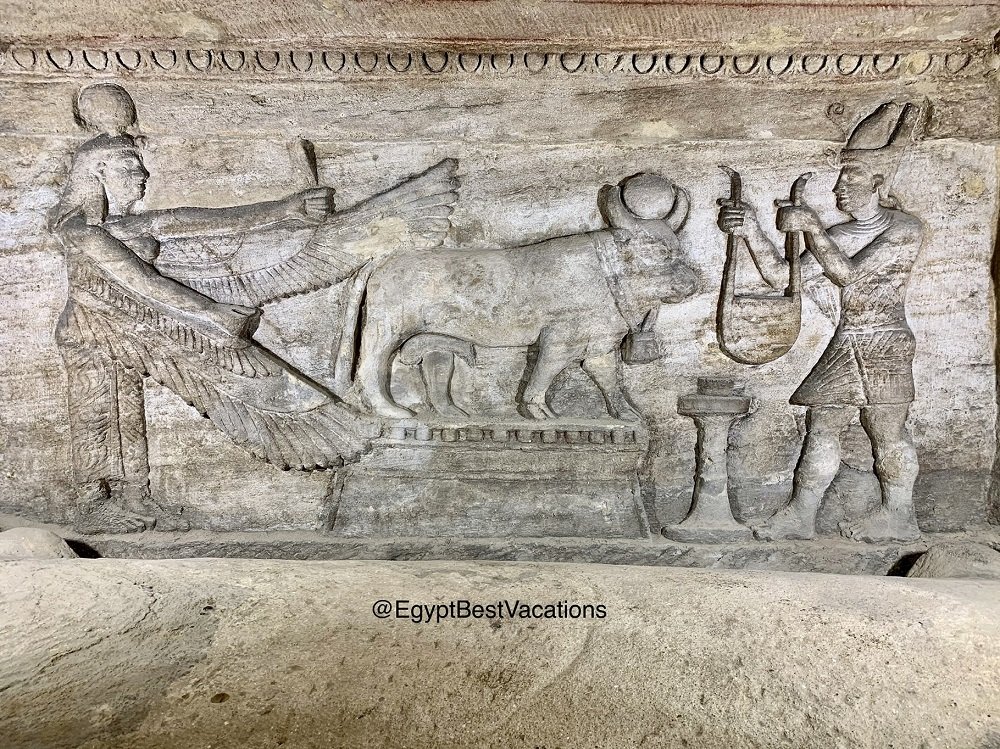
You begin at the Catacombs of Kom El-Shoqafa, cut three levels into the rock in the second century AD. It started as one wealthy family’s tomb and grew into a public cemetery of more than three hundred burials. What makes it remarkable is the carving: Egyptian gods rendered in Roman dress, Anubis in a legionary’s armor, two religions sharing one wall.
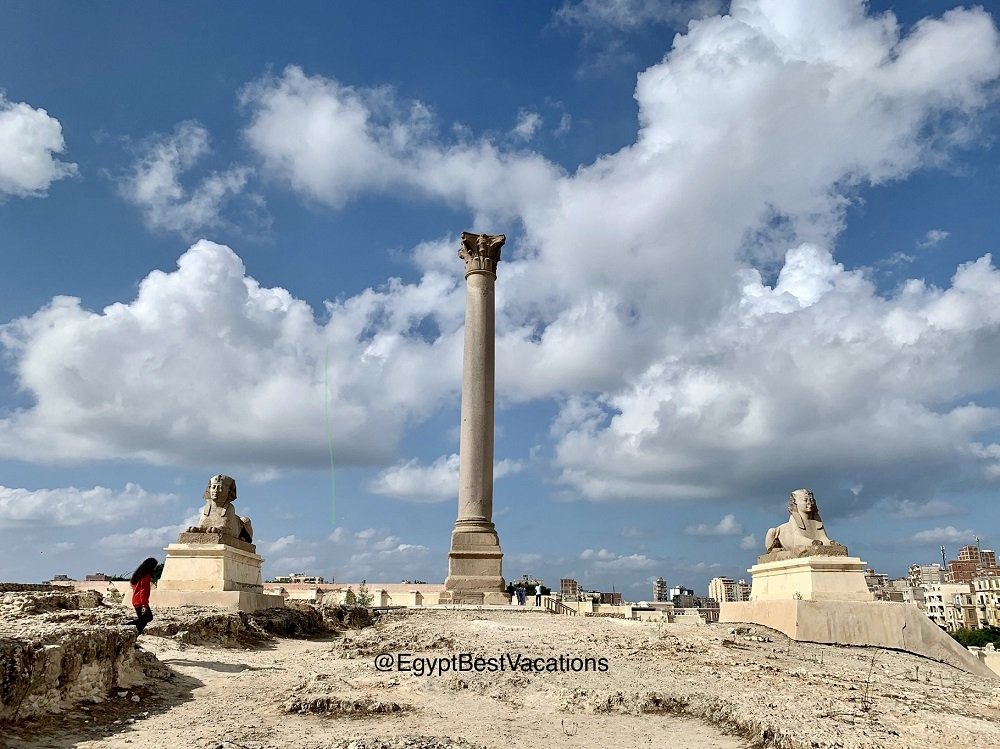
Next, Pompey’s Pillar, a single shaft of Aswan granite nearly 27 meters tall. The name is a medieval mistake; it has nothing to do with Pompey. It was raised for the emperor Diocletian around 298 AD, and it stands on the ruins of the Serapeum, the great temple of Serapis that once held a daughter library of Alexandria’s.
Then the Citadel of Qaitbay, built by Sultan Al-Ashraf Qaitbay in the 1480s to hold the harbour against the Ottomans. It occupies the exact spot where the Pharos Lighthouse stood, and some of the lighthouse’s own stone was used in the walls.
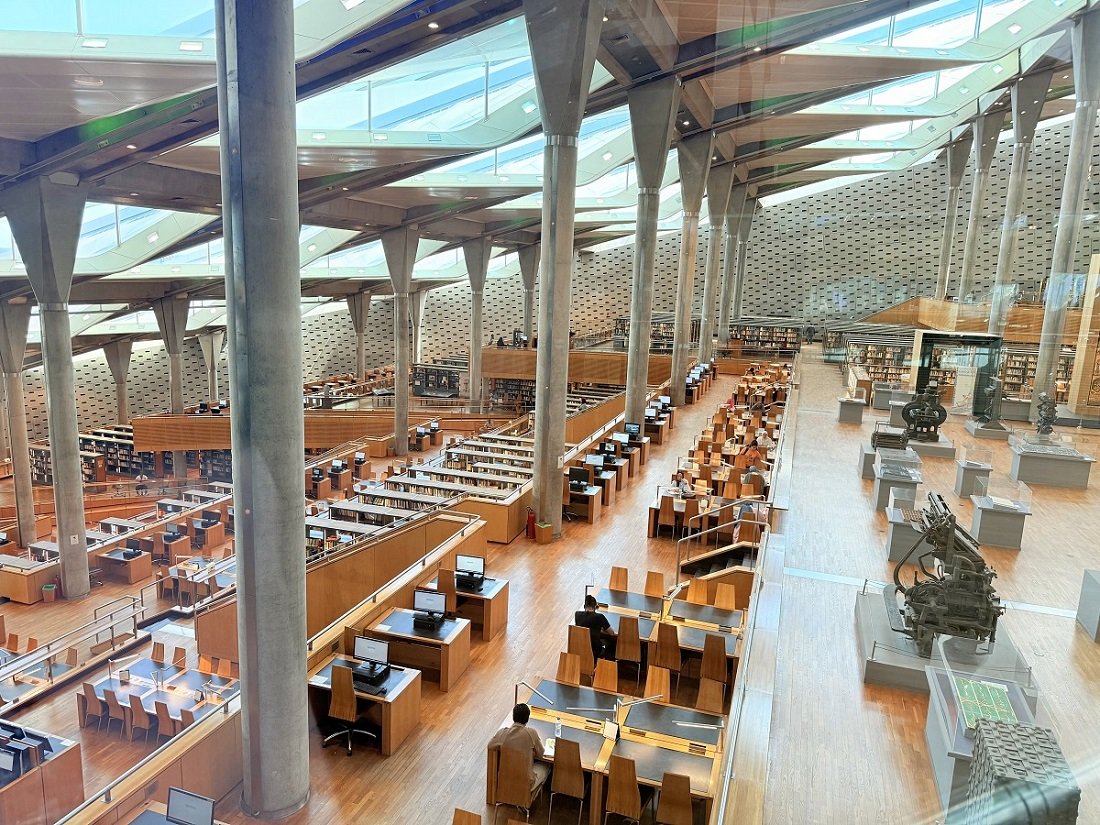
You finish at the Library of Alexandria, the modern Bibliotheca, opened in 2002, deliberately built near where the ancient library is thought to have stood. Lunch at a local restaurant, then the drive back to Cairo.
Meals Plan: Breakfast & Lunch
Today is medieval and Christian Cairo, a thousand years closer to us than the pyramids and, for most travellers, a complete surprise.
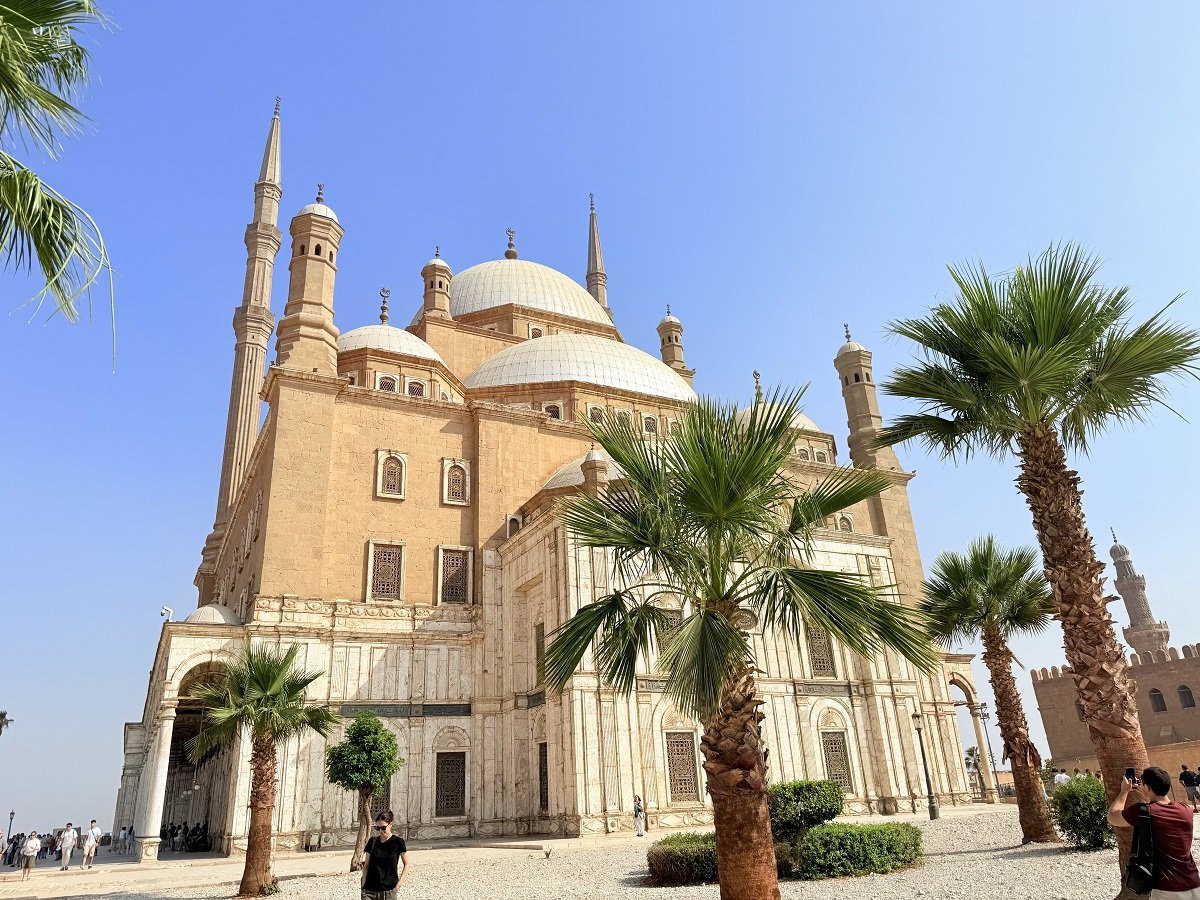
You start at the Citadel of Saladin, begun in 1176 on the Mokattam spur to defend the city from the Crusaders and used as the seat of Egyptian government for the next seven hundred years. Inside stands the Mosque of Muhammad Ali, built between 1830 and 1848 and faced in alabaster — Ottoman in style, and unmistakable on the Cairo skyline.
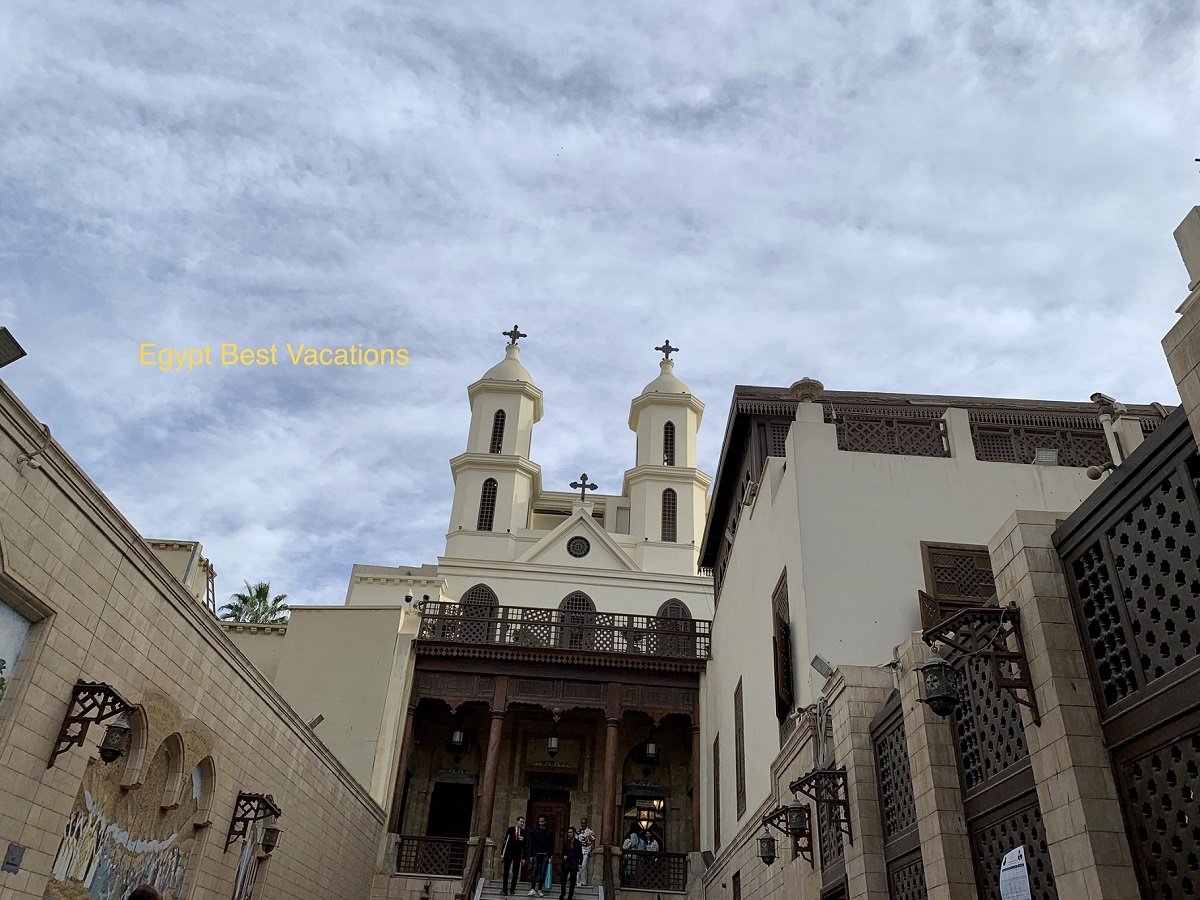
Then down to Coptic Cairo and the Hanging Church, so called because it was built on top of the southern gatehouse of the Roman fortress of Babylon — its nave is suspended over the old gate, and a glass panel in the floor lets you see straight down. Look up as well: the wooden ceiling is shaped like the hull of an upturned ark.
Continue to Abu Serga Church, dedicated to Saints Sergius and Bacchus, built over a crypt where tradition holds the Holy Family sheltered during their time in Egypt. Your Coptic Cairo tour ends at the Ben Ezra Synagogue, whose storeroom yielded the Cairo Geniza — some three hundred thousand medieval manuscripts that rewrote what historians knew about Jewish life across the medieval Mediterranean.
You finish at the Khan El-Khalili bazaar, a market since 1382. Narrow lanes, spice merchants, silver, lamps, and coffee houses that have not changed much in a century. Your guide will show you where to start and roughly what things should cost. Transfer back to your hotel.
Meals Plan: Breakfast Only
Transfer to Cairo Airport for your included flight south to Aswan, where your guide meets you at arrivals. Aswan is the gentlest city in Egypt — slower, warmer, the Nile wide and scattered with granite islands.
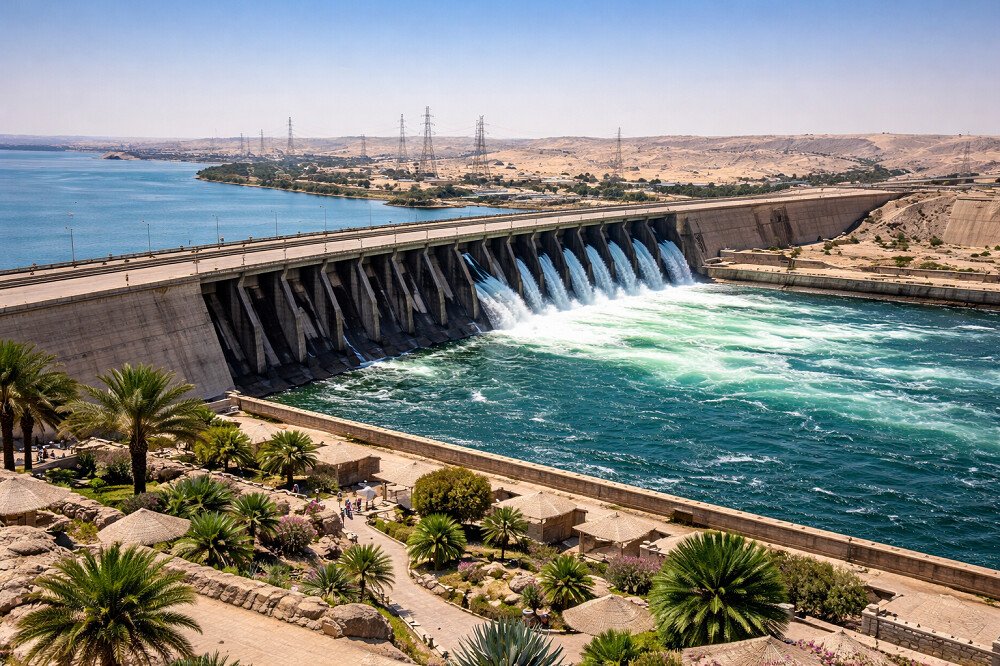
You visit the High Dam first, completed in 1970 after ten years of construction. It ended the annual Nile flood, generates a significant share of Egypt’s electricity, and created Lake Nasser behind it — along with the rescue operation that saved the monuments the lake would have drowned.
One of those rescues is your next stop. The Temple of Isis stood on Philae Island until the dams left it underwater for most of each year. Between 1972 and 1980, UNESCO cut it into more than forty thousand blocks and rebuilt it on neighbouring Agilkia Island, reshaping the island to match the original. It was the last temple in Egypt where the old religion was still practiced, closed by imperial order in the sixth century AD.
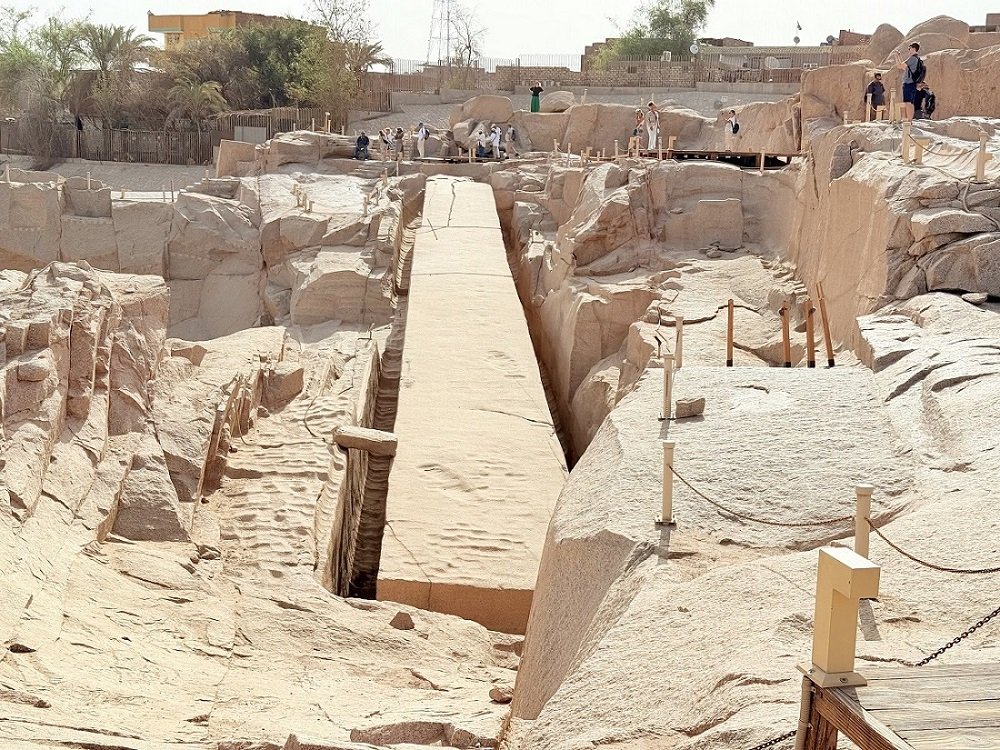
You end at the granite quarries and the Unfinished Obelisk — abandoned where it lay when a crack ran through the stone. Had it been raised it would have stood nearly 42 meters and weighed over a thousand tones, larger than any obelisk ever erected. Lying there half-carved, it tells you more about how the work was actually done than any finished monument could.
Transfer to your cruise ship and settle in. Overnight moored at Aswan.
Optional tour: Nubian Village Tour in Aswan
Meals Plan: Breakfast, Lunch & Dinner
The morning is free aboard ship, or you can take the optional excursion to Abu Simbel — Ramses II’s colossal rock temples, themselves cut apart and lifted 65 metres up the cliff ahead of the rising lake. It is an early start and a long round trip, but few people regret it.
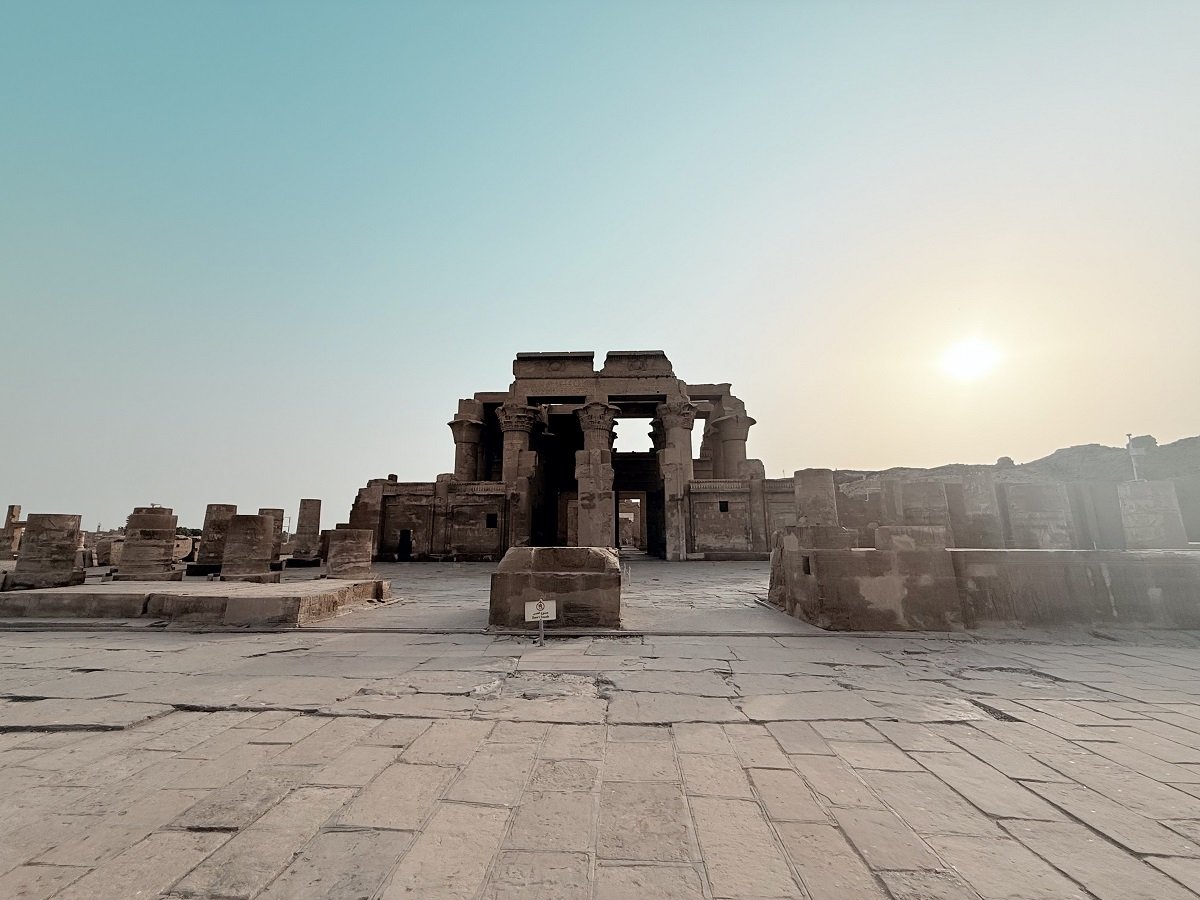
Your ship sails north around midday. You disembark at Kom Ombo, the strangest temple on the river: a double sanctuary, perfectly symmetrical, one half for Sobek the crocodile god and the other for Haroeris, Horus the Elder. Two gods, two entrances, two sets of chapels, one building — a Ptolemaic solution to a local religious argument. Wall reliefs here include what is often read as a set of surgical instruments.
A short visit to the adjoining Crocodile Museum and its mummified crocodiles, then back aboard as the ship continues to Edfu. Overnight at Edfu.
Meals Plan: Breakfast, Lunch & Dinner
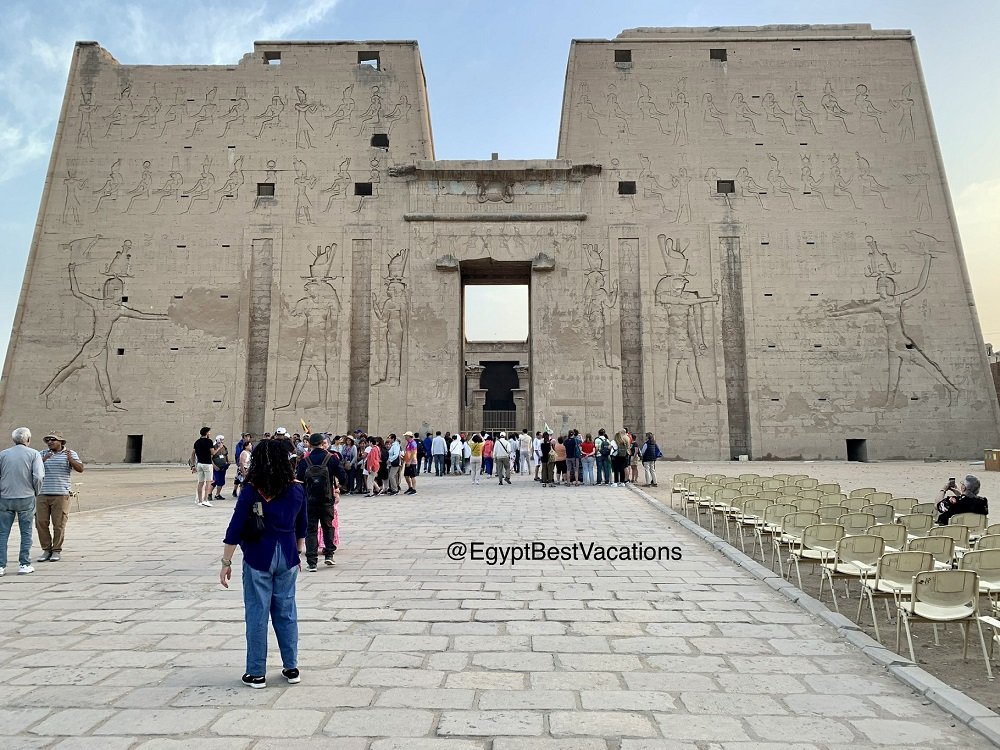
Before breakfast you take a horse-drawn carriage from the mooring to the Temple of Horus at Edfu — the most completely preserved temple in Egypt, and the reason it is preserved is that desert sand buried it almost to the roofline for centuries. Its walls carry the fullest surviving account of temple ritual anywhere in Egypt: the daily service, the festival calendar, and the annual re-enactment of Horus defeating Set.
Back aboard, your ship sails on to Luxor through the Esna Lock, a slow and oddly companionable hour as the water level changes around you.
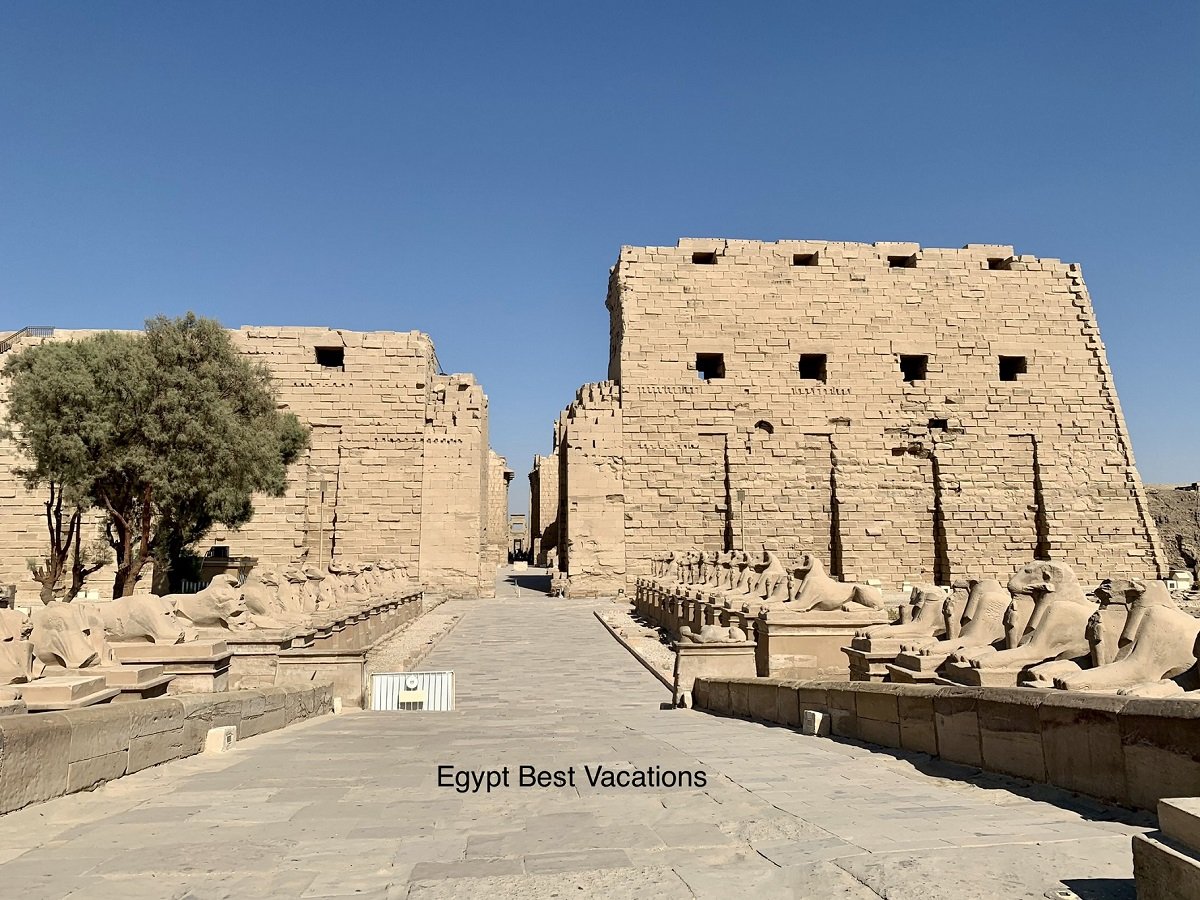
In Luxor you visit the Temple of Karnak, the largest religious complex of the ancient world — roughly two thousand years in the building, with every pharaoh who mattered adding something. The Great Hypostyle Hall alone holds 134 columns; the tallest stand 21 metres.
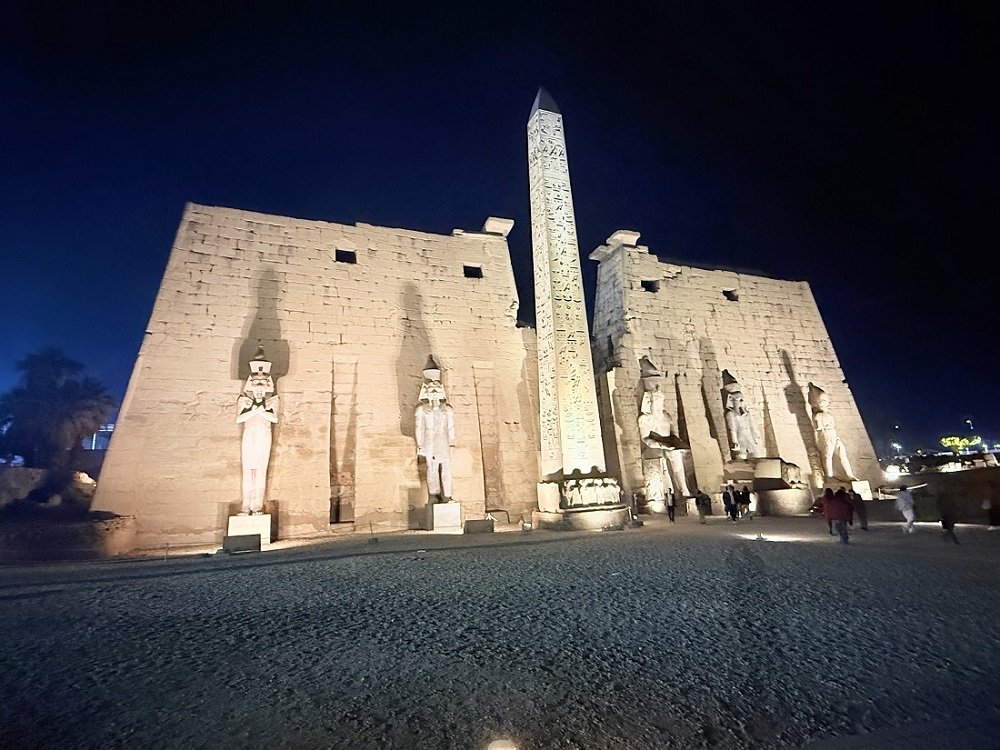
Then the Temple of Luxor, built mainly by Amenhotep III and Ramses II and linked to Karnak by an avenue of sphinxes nearly three kilometres long, now fully excavated. Luxor Temple was not a god’s house in the ordinary sense — it was where kingship itself was renewed each year during the Opet festival. If your timing allows, it is at its best after dark, lit.
Meals Plan: Breakfast, Lunch & Dinner
Disembark after breakfast and cross to the west bank, the side of the river the ancient Egyptians gave to the dead.
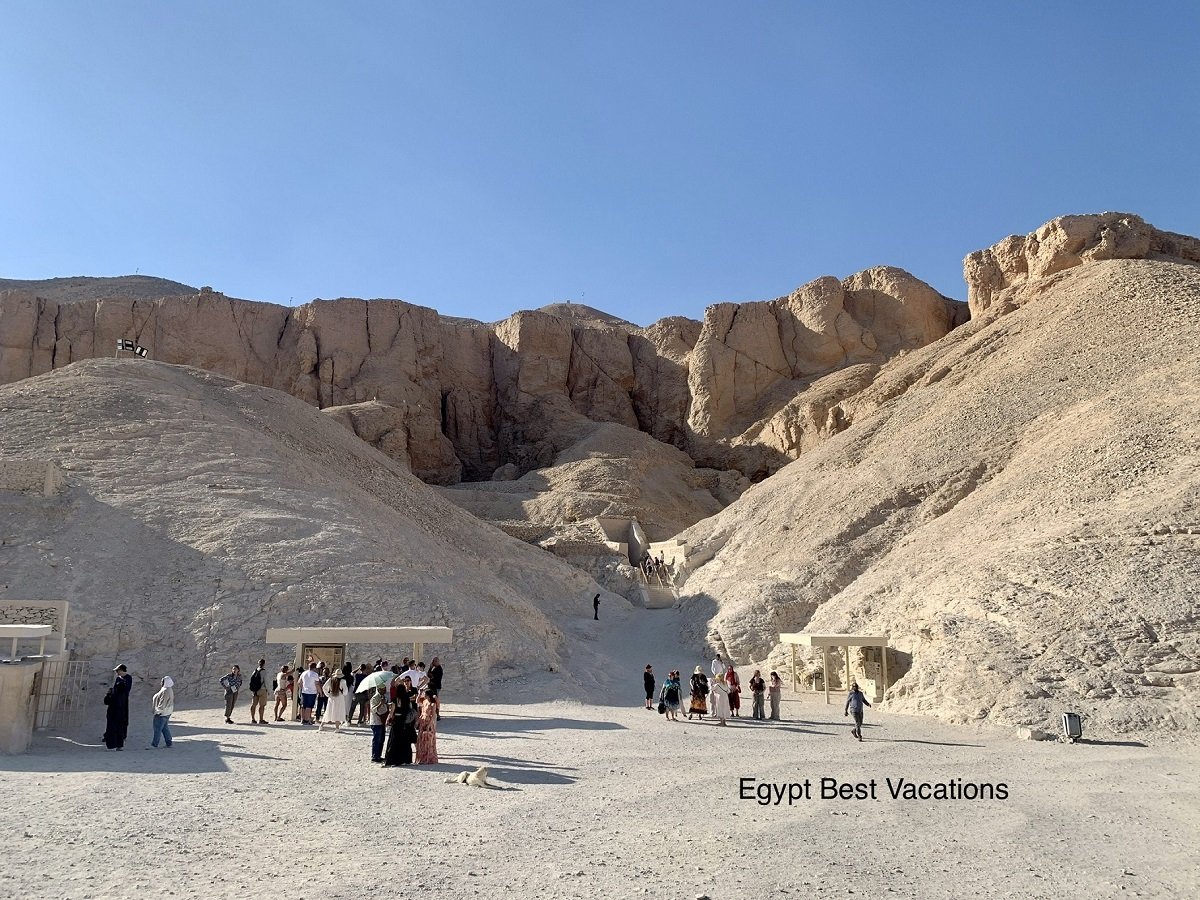
The Valley of the Kings holds sixty-odd tombs cut into the rock of a hidden desert wadi — the New Kingdom pharaohs abandoned pyramids entirely and hid instead, though the robbers found them anyway. Your ticket admits you to three tombs and your guide will advise which three are open and worth your time that day, since the rotation changes. Painted ceilings, astronomical texts, and color that looks as though it dried last year.
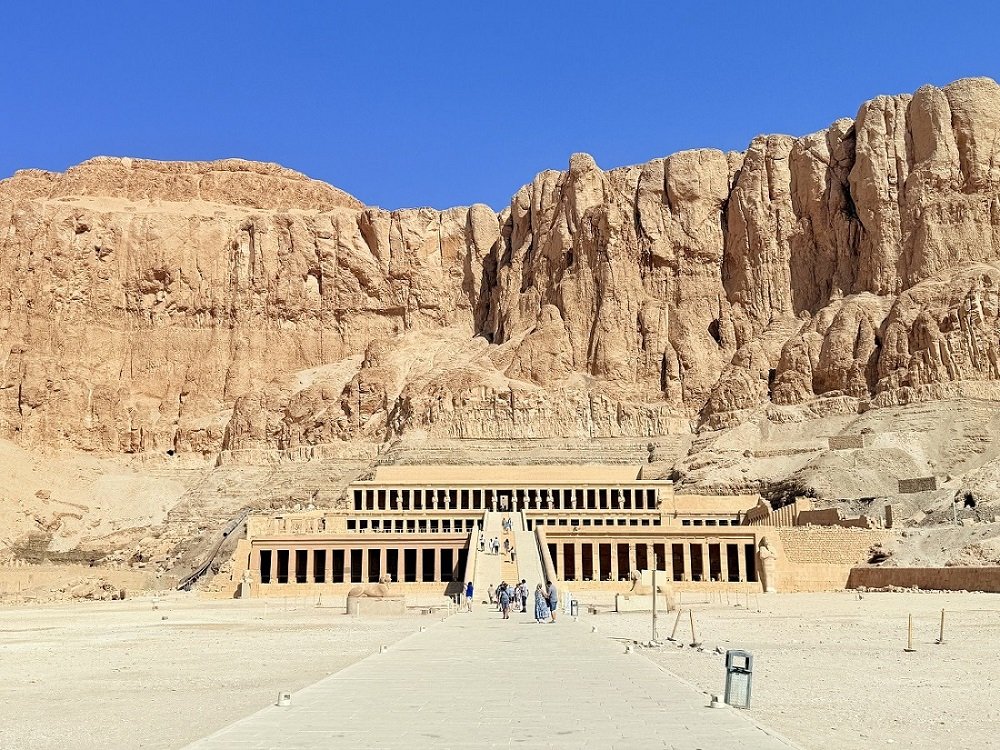
Next, the terraced mortuary temple of Hatshepsut at Deir el-Bahari, rising in three colonnades against a sheer cliff. She ruled for around twenty years as pharaoh in her own right, and her reliefs record a trading expedition to the land of Punt in extraordinary detail. Her successor later tried to erase her name from the monuments; you can still see where the chisels went.
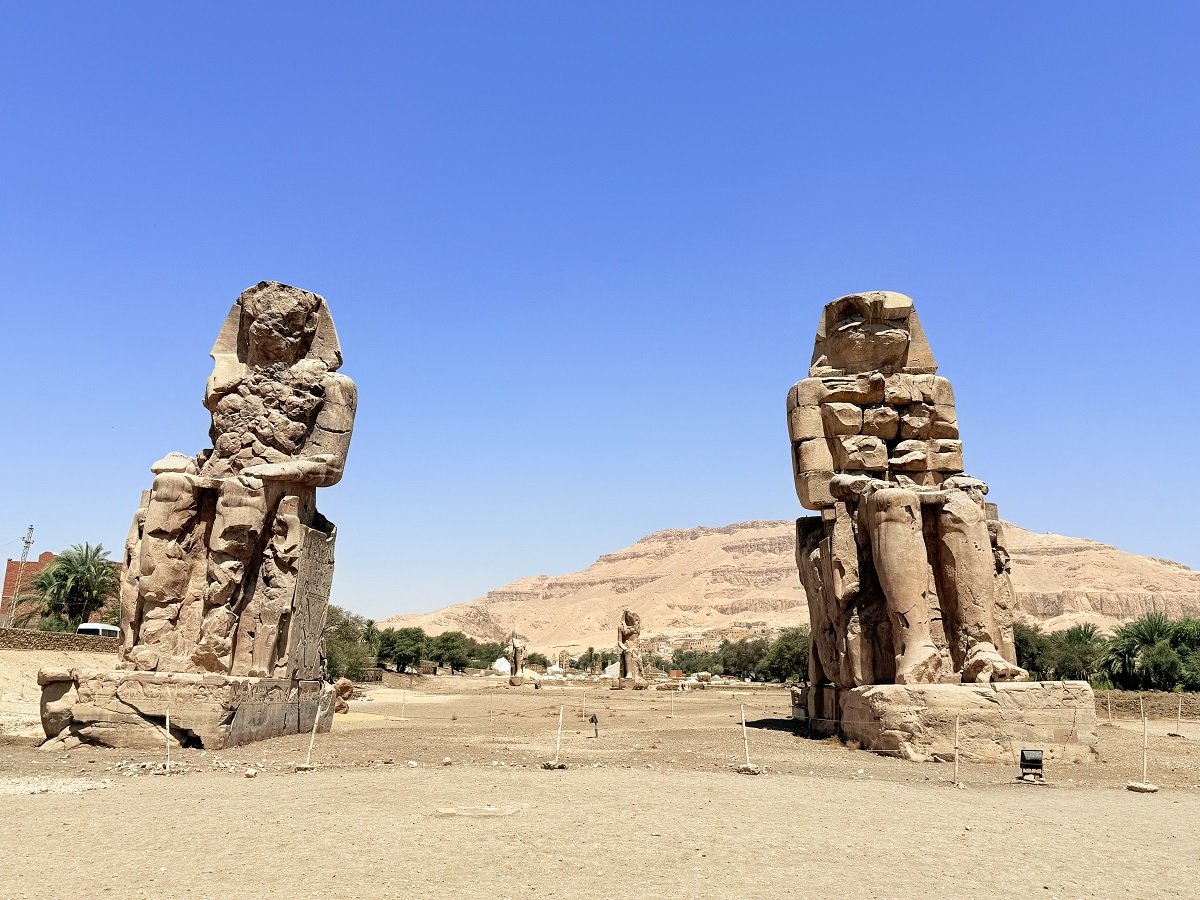
You finish at the Colossi of Memnon, two seated statues of Amenhotep III, eighteen meters tall. They once flanked the entrance to the largest mortuary temple ever built in Egypt — a temple that has almost entirely vanished, leaving the gateposts standing alone in a field.
From Luxor it is a road transfer of roughly four hours to Hurghada and the Red Sea, arriving in the late afternoon. Three all-inclusive nights of doing very little, if that is what you want.
Optional tour: Sunrise Hot Balloon over Luxor
Meals Plan: Breakfast, Lunch & Dinner
A free day. The Red Sea has some of the clearest water and healthiest reef in the world, and it starts a few meters from the shore. Optional excursions include diving for certified and first-time divers, snorkeling trips to Giftun Island, glass-bottom boats, submarine rides and desert safaris. Or the beach. Your call — just tell your representative the day before.
Meals Plan: Breakfast, Lunch & Dinner
A second free day, all-inclusive. Most travelers use one day on the water and one doing nothing at all, in whichever order suits them.
Meals Plan: Breakfast, Lunch & Dinner
Transfer to Hurghada Airport for your included flight to Cairo, then a private transfer to your hotel for the final night of your 12 day Egypt tour with Nile cruise. If there is anything you missed the first time round — the Egyptian Museum in Tahrir, Saqqara, a Nile dinner cruise — tell us in advance and we will arrange it.
Meals Plan: Breakfast Only
Transfer to Cairo Airport for your onward flight, timed to your departure with the check-in requirements for international flights out of Cairo built in.
Twelve days is enough to see Egypt properly. It is not enough to see all of it — there is always Abu Simbel and Lake Nasser, the Western Desert oases, Siwa, the Sinai. Talk to us when you are ready for the next one.
Meals Plan: Breakfast Only