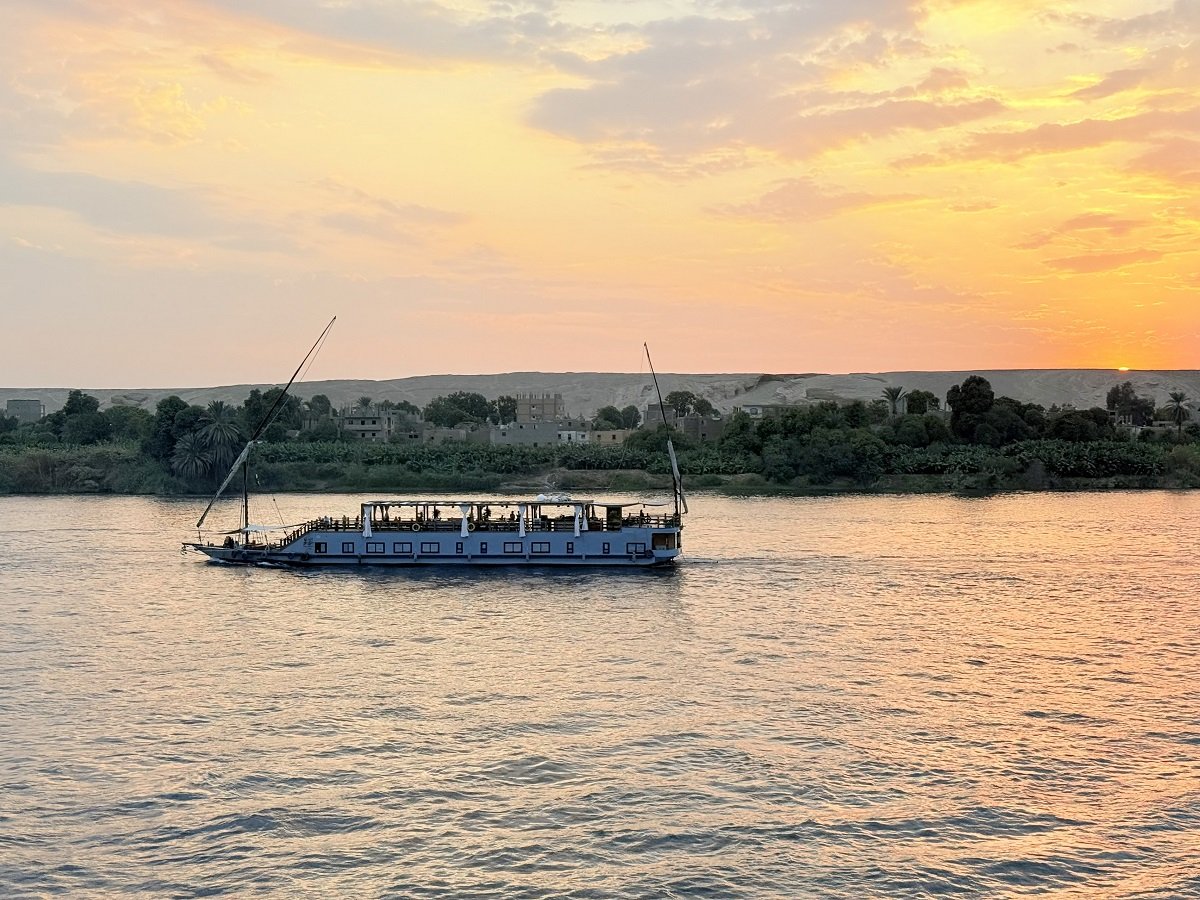
Most Nile cruises are floating hotels with sixty cabins, a sun-deck pool and an engine running all night. A dahabiya is not that. It is a wooden sailing boat with two lateen sails, a handful of cabins, and a crew who moor wherever the wind and the river allow. This Egypt tour with dahabiya cruise is built around three nights on one.
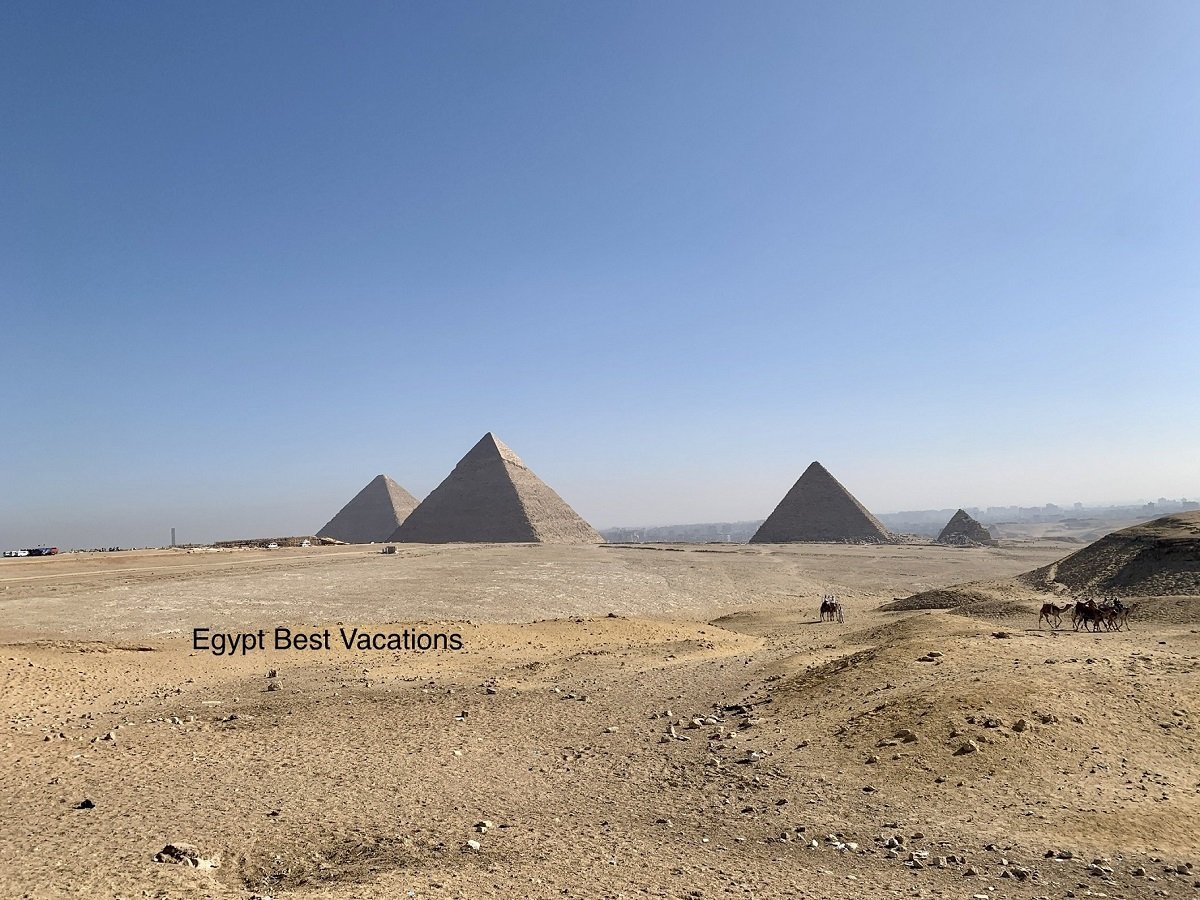
You start in Cairo with three nights and two full days of guiding: the Giza plateau — Khufu, Khafre, Menkaure and the Sphinx — the Grand Egyptian Museum with the complete Tutankhamun collection, then the Citadel of Saladin, Coptic Cairo and Khan el-Khalili.
Then you fly to Aswan. The High Dam, the Temple of Isis at Philae, and the Unfinished Obelisk still lying in its quarry, before boarding the dahabiya at dusk. Over the next three days you sail to Kom Ombo and its double temple, moor overnight at Al Ramady Island where there is no road and usually no other boat, walk up to the Temple of Khnum at Esna to see a painted ceiling that has been emerging from two thousand years of soot since 2018, then transit Esna Lock and arrive in Luxor for Karnak and Luxor Temple in the evening light.
Luxor’s West Bank follows — the Valley of the Kings, Hatshepsut’s temple at Deir el-Bahari, the Colossi of Memnon — and then the road east to Hurghada for two all-inclusive nights on the Red Sea before flying back to Cairo.
The tour is offered at two accommodation tiers, Gold and Platinum. The dahabiya, the itinerary and the guiding are identical on both; what changes is the standard of hotel in Cairo and Hurghada.
Every archaeological site on this Egypt tour with dahabiya cruise is led by a licensed Egyptologist. Egypt Best Vacations is a licensed Egyptian operator based in Luxor, and a TripAdvisor Travelers’ Choice winner three years running — 2024, 2025 and 2026.
A dahabiya is the boat wealthy Victorian travellers hired to see Egypt before steamers took over. The name means “the golden one”. The modern ones are built to the same shape: a flat-bottomed wooden hull, two triangular lateen sails, a shaded upper deck, and somewhere between six and twelve cabins.
What that means in practice:
– It sails. A tug assists in still air and through the lock, but most of the journey is under canvas. There is no engine noise.
– It moors where big ships cannot. Sandbanks, islands, empty stretches of bank. Some nights you are the only boat in sight.
– You arrive at temples off-schedule. Kom Ombo and Esna at hours when the cruise-ship convoy has gone.
– It is small. You will be sharing with a handful of other guests, not two hundred.
– Cabins are twin or single only. A dahabiya hull is too narrow for a third bed — there are no triple cabins on any boat, at any price. A family of three needs two cabins.
– There is no pool and no evening show. There is a deck, a river, and silence after dark.
If you want a gym, a nightly cabaret and a buffet for two hundred, book a standard Nile cruise ship — we run those too, and they are genuinely good. If the appeal of the Nile is the Nile, take the dahabiya.
Your Egypt Best Vacations representative meets you inside the arrivals terminal at Cairo International Airport with a signboard and assists with visa and passport formalities. Private transfer to your hotel, and the rest of the day is yours.
Meals Plan: No Meals Included
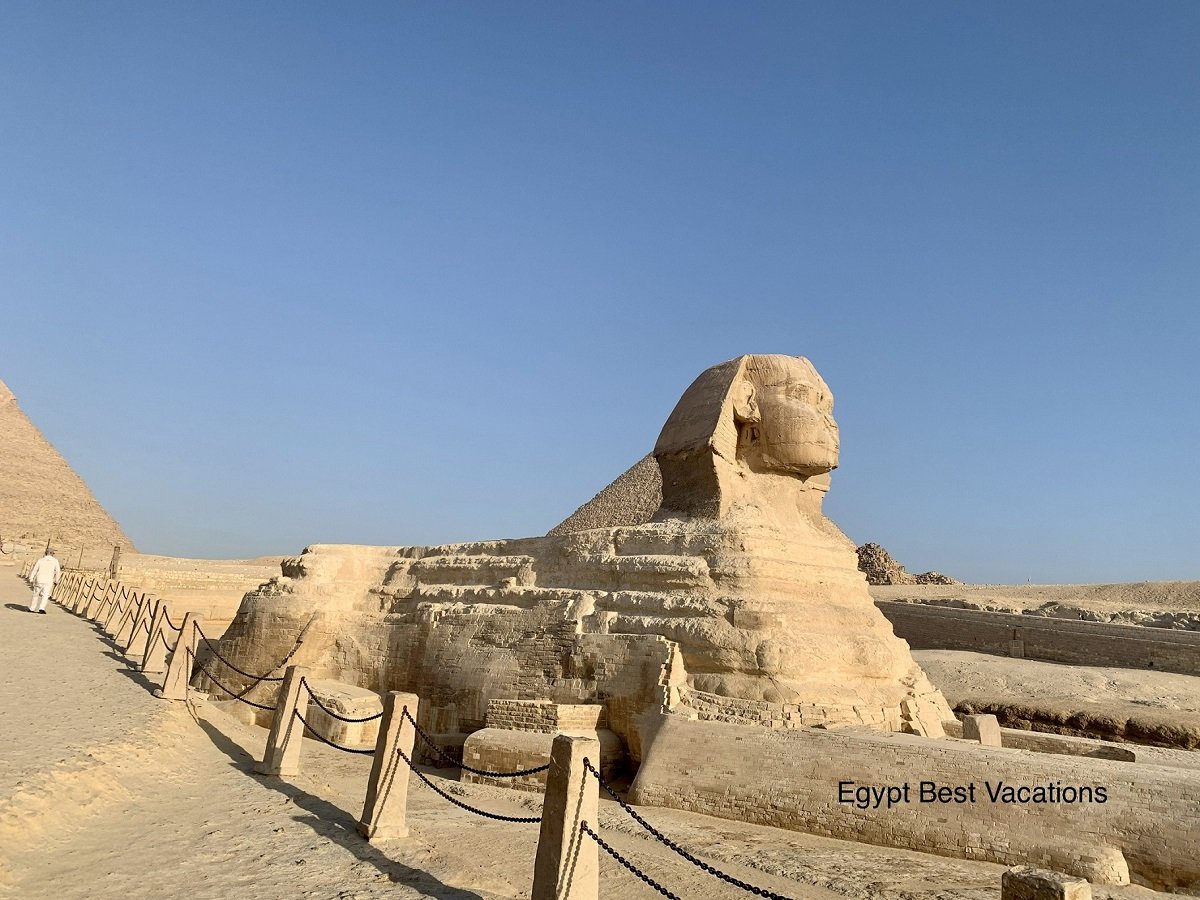
Your Egyptologist guide collects you from the hotel for the Giza plateau: the pyramids of Khufu, Khafre and Menkaure, and the Great Sphinx. Khufu’s is the only one of the Seven Wonders of the Ancient World still standing. You’ll hear how it was built, who built it, and why the shape changed over three generations. Going inside the Great Pyramid is an optional extra ticket, bought on the day if you want it.
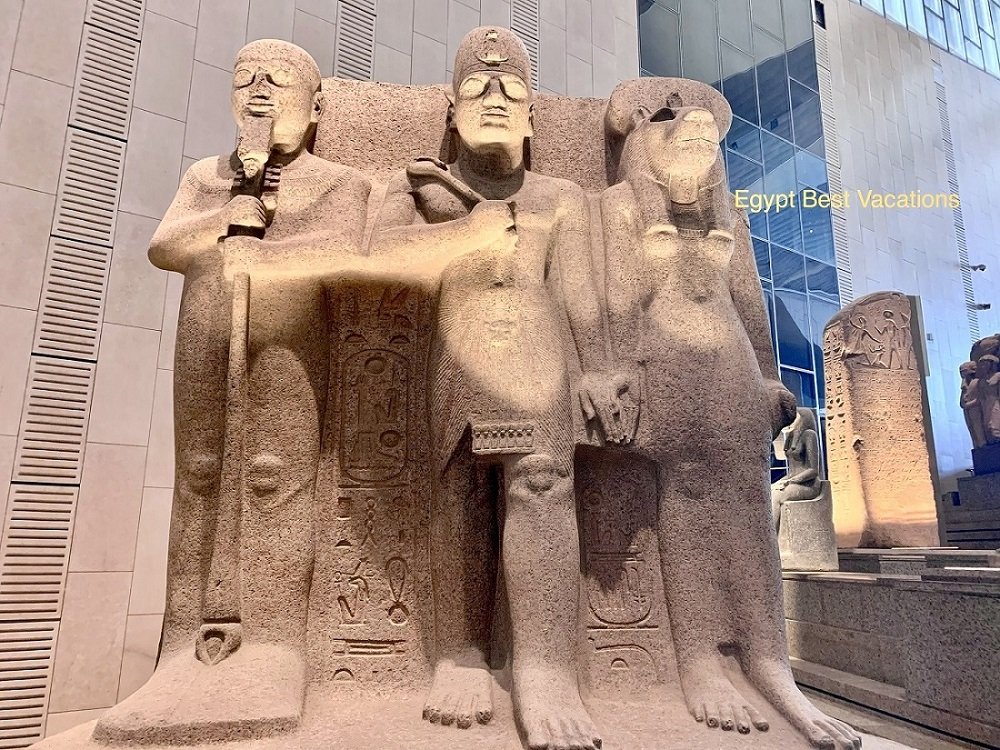
Lunch at a local restaurant, then the Grand Egyptian Museum. The complete Tutankhamun collection — more than 5,000 objects — is displayed together here for the first time since it left the tomb, alongside the Grand Staircase and galleries running chronologically from the Predynastic period to the Roman era. Transfer back to your hotel.
Meals Plan: Breakfast & Lunch
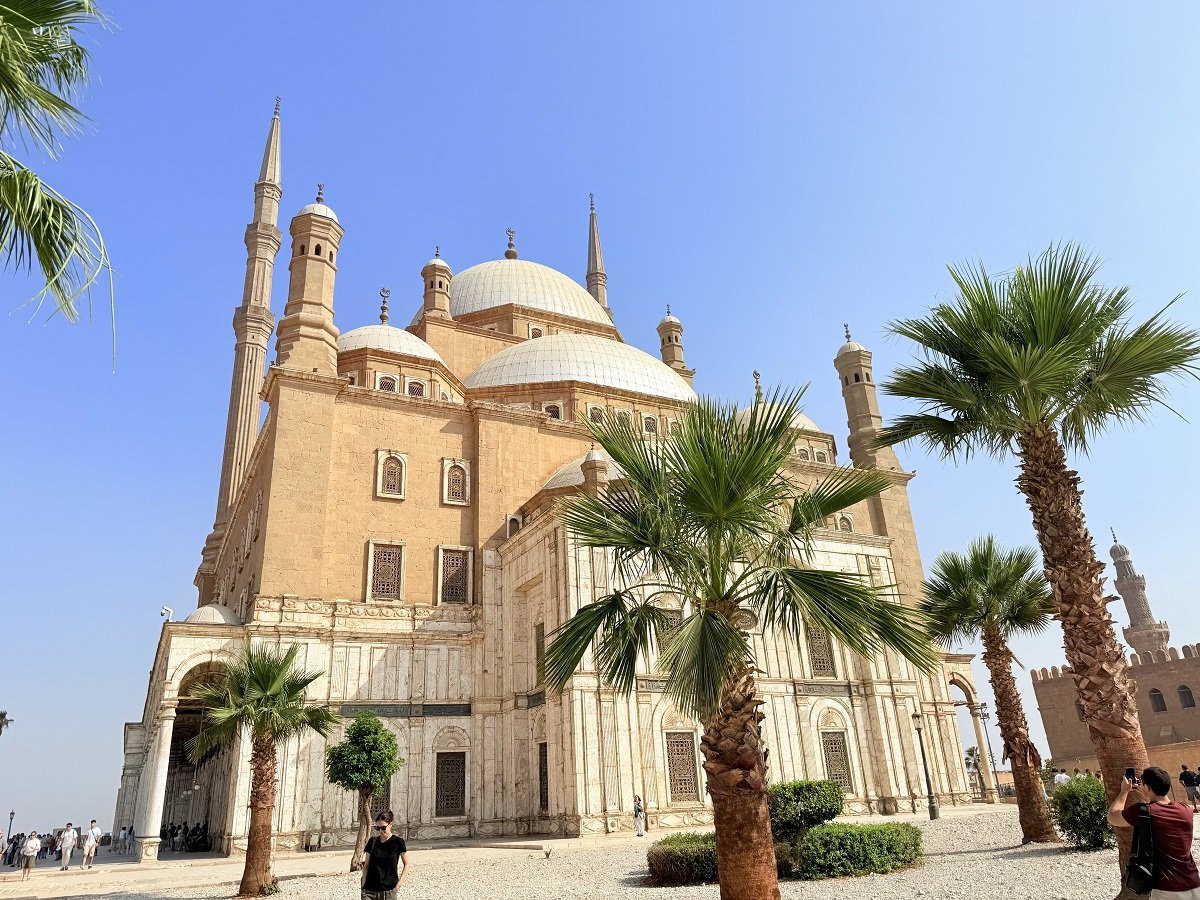
After breakfast, the Citadel of Saladin, begun in 1176 to defend Cairo against the Crusaders and the seat of Egyptian government for almost 700 years afterwards. Inside it stands the Alabaster Mosque of Muhammad Ali, built between 1830 and 1848 in Ottoman style and faced in the alabaster that gives it its name.
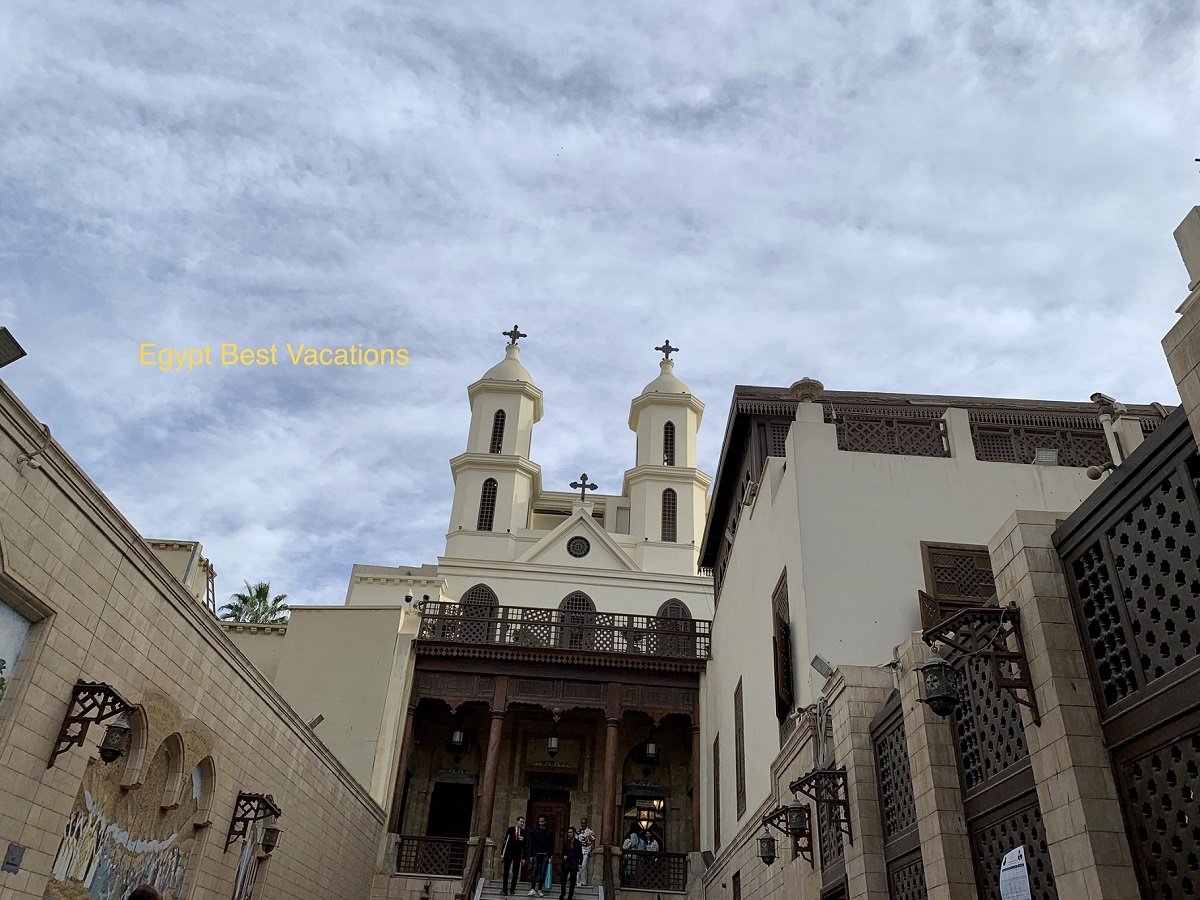
On to Coptic Cairo and the Hanging Church, suspended on the bastions of the Roman fortress of Babylon and named for it. Its carved wooden ceiling, built like an inverted ark, and its icons are the reasons to go slowly here. Next, the Church of Abu Serga — Saints Sergius and Bacchus — built above a crypt where tradition holds the Holy Family sheltered during their time in Egypt. The quarter ends at the Ben Ezra Synagogue, where the Cairo Geniza was found: a store of nearly 300,000 manuscript fragments that rewrote what historians knew about medieval Mediterranean life.
The day finishes in Khan el-Khalili, a market since 1382 — narrow lanes, copper, spice, glass, and coffee houses that have been in the same families for generations.
Meals Plan: Breakfast Only
Transfer to Cairo Airport for the flight south to Aswan, where your representative meets you inside the terminal.
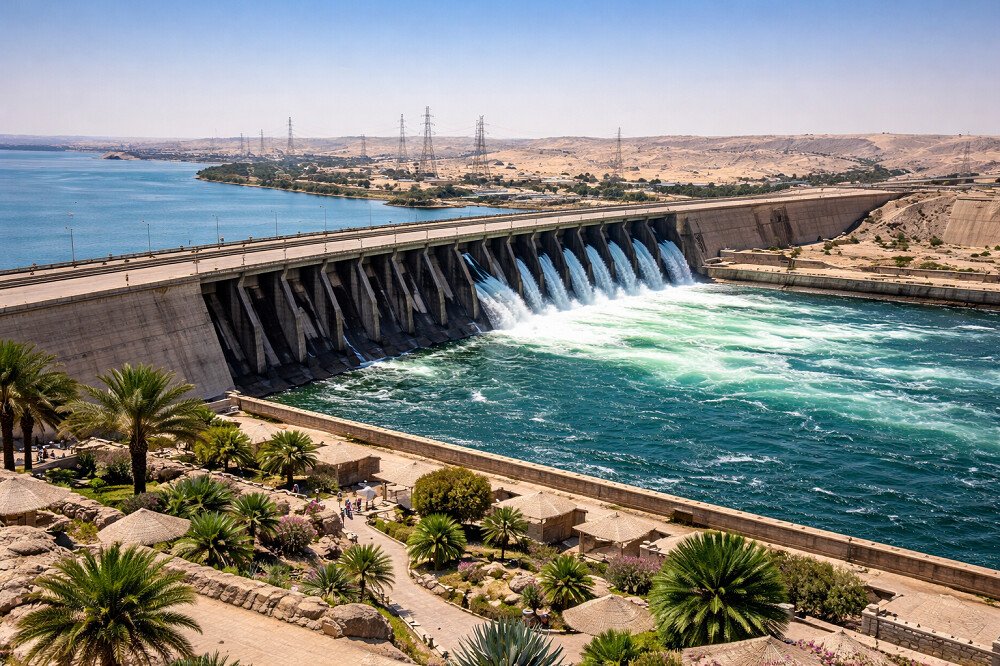
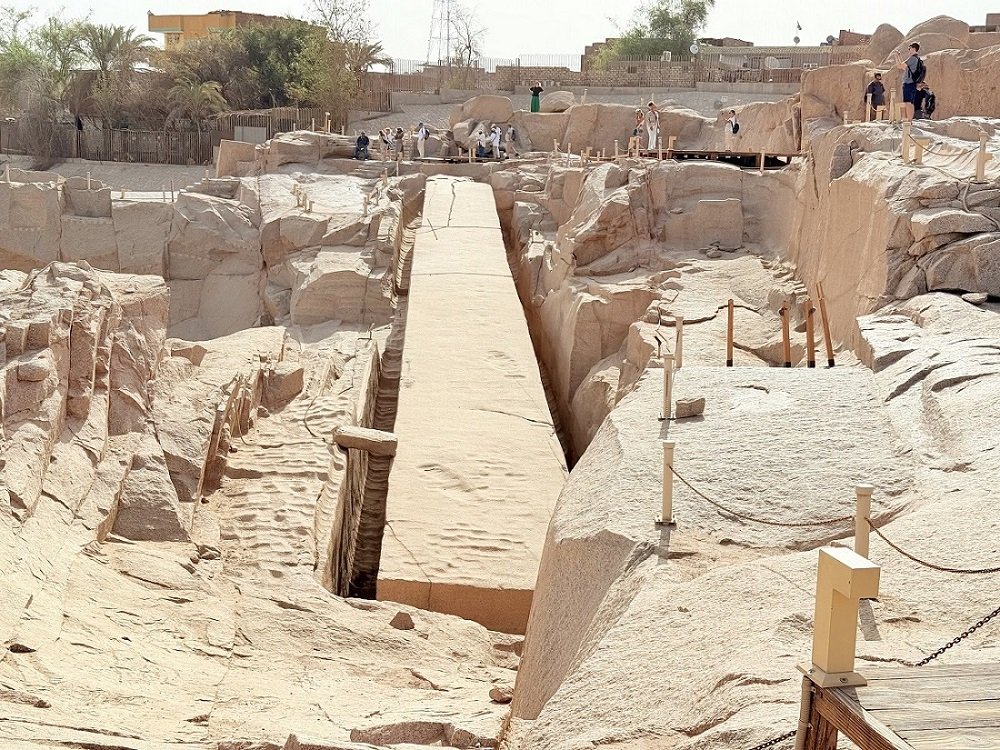
Straight into Aswan: the High Dam, built between 1960 and 1970, which ended the annual flood and created Lake Nasser behind it. Then Philae — the Temple of Isis, built by the Ptolemies, extended by Roman emperors, and the last place in Egypt where the old religion was still practised, into the 6th century AD. The temple you visit is not where it was built: when the dam raised the water it was dismantled and moved stone by stone to Agilkia Island, which was reshaped to match the original setting. The rescue was completed in 1980. Finish at the granite quarry of the Unfinished Obelisk — abandoned mid-cut when the stone cracked, which is why it still shows exactly how obelisks were made.
At dusk you board your dahabiya. Overnight moored at Aswan.
Meals Plan: Breakfast, Lunch & Dinner
A slow morning on deck at Aswan. If you’d rather use it, the optional road trip to Abu Simbel leaves early and returns before the boat sails.
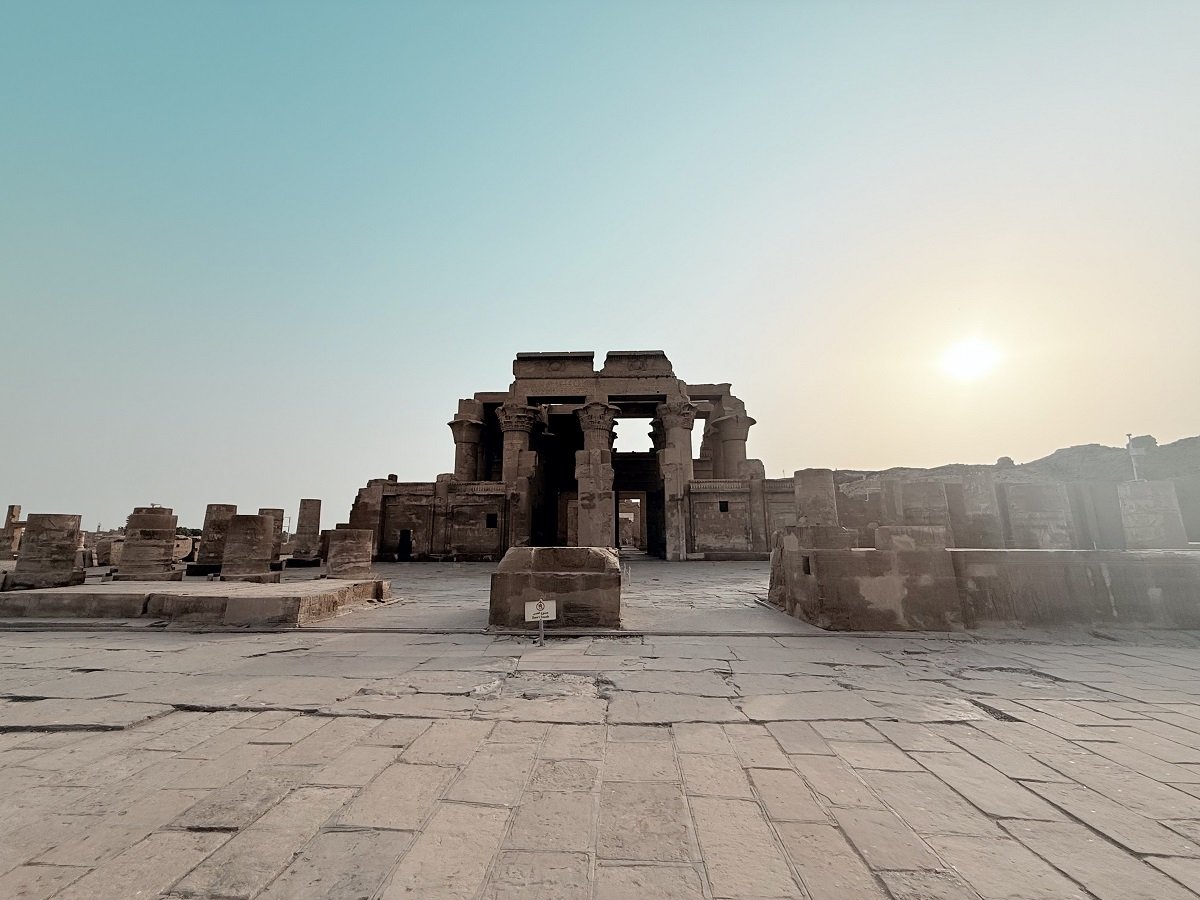
At around 2:00 pm the dahabiya casts off for Kom Ombo. The temple there is Ptolemaic, begun under Ptolemy VI in the 2nd century BC, and unique in Egypt: it is doubled down its central axis, two sanctuaries, two sets of halls, one half for Sobek the crocodile god and the other for Haroeris. Next door the Crocodile Museum holds the mummified crocodiles found in the tombs around the site.
Back aboard, and on to Al Ramady Island for the night — a quiet mooring with no road access. Dinner is served on deck.
Meals Plan: Breakfast, Lunch & Dinner
Sail on to Esna, and a short walk up into the town to the Temple of Khnum, the ram-headed god who shaped humans on a potter’s wheel. Only the hypostyle hall survives, roofed and buried in the middle of the modern town, which is what saved it. Since 2018 an Egyptian–German team has been lifting centuries of soot and bird droppings off the ceiling, and the original paint underneath — zodiac, constellations, a Roman-era sky map in reds, blues and gold — is coming back a section at a time. Few visitors get here.
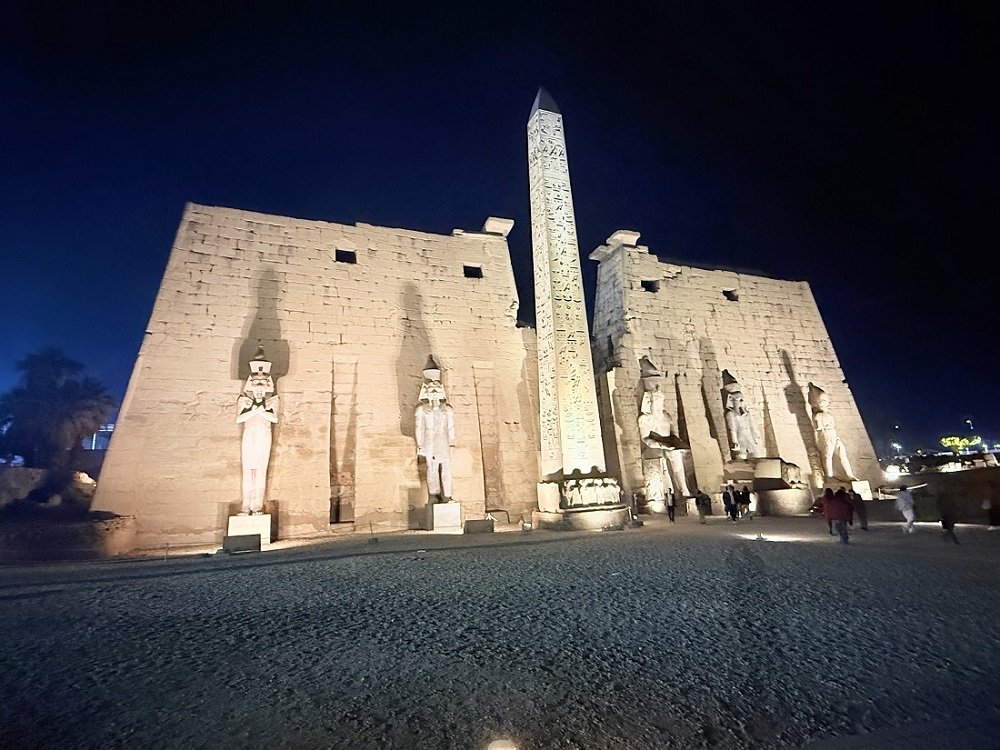
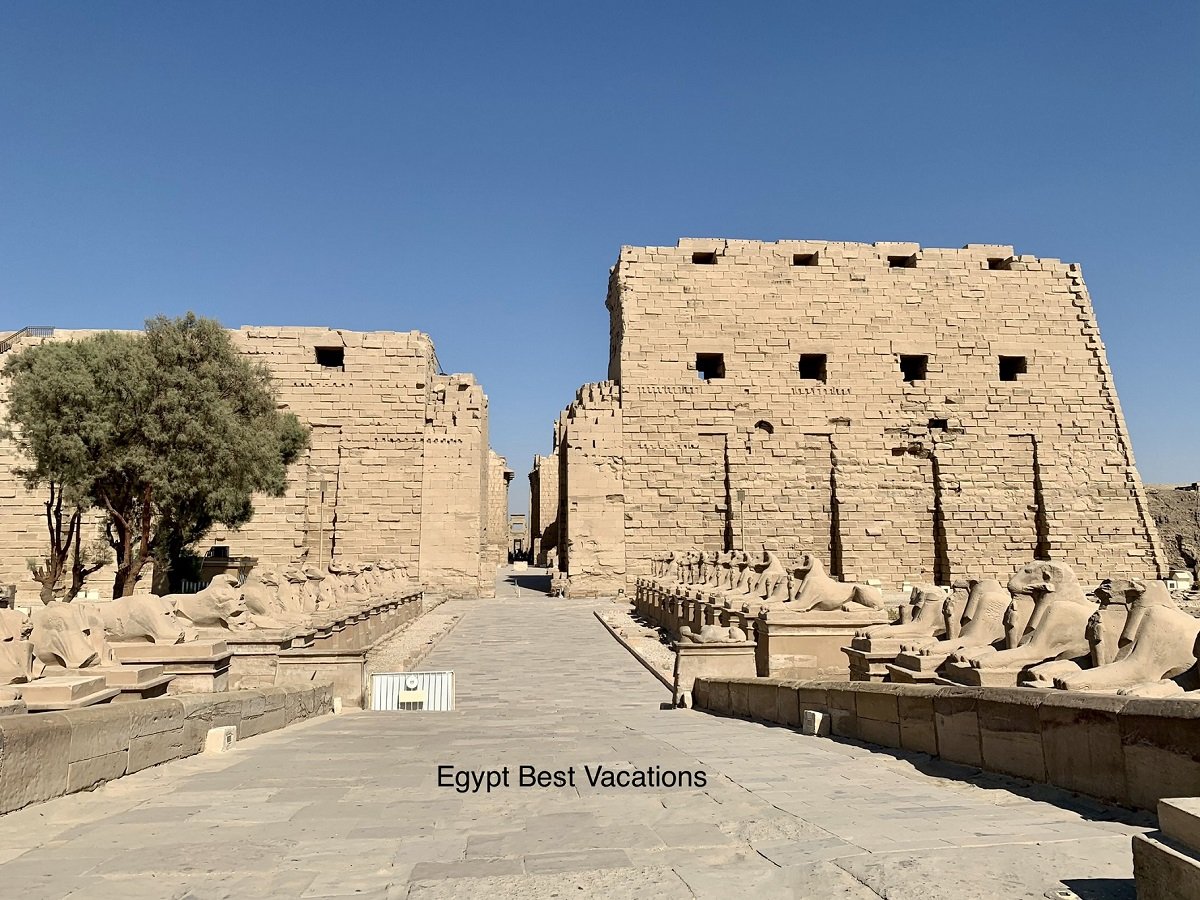
Back aboard, and north through Esna Lock to Luxor. On arrival, Karnak — the largest religious complex ever built, around 100 hectares, worked on by roughly thirty kings across two thousand years. The Great Hypostyle Hall alone holds 134 columns. Then Luxor Temple, built mainly by Amenhotep III and Ramesses II and linked to Karnak by an avenue of sphinxes nearly three kilometres long. Both served the Theban triad: Amun, Mut and Khonsu.
Final night aboard the dahabiya, moored at Luxor.
Meals Plan: Breakfast, Lunch & Dinner
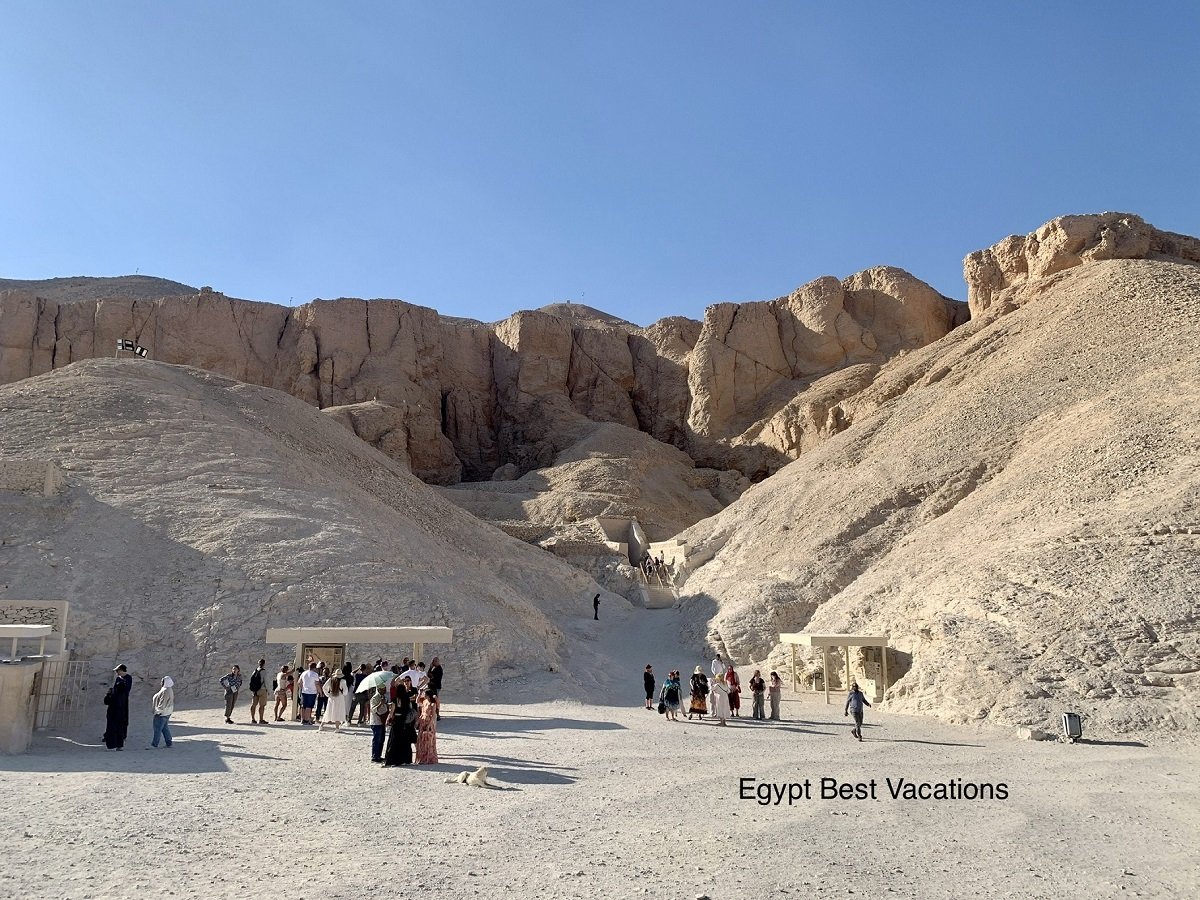
Disembark and cross to the West Bank. The Valley of the Kings — Ta-Set-Maat to the ancient Egyptians, the Place of Truth — holds the tombs of the pharaohs of the 18th to 20th Dynasties, roughly 1550 to 1069 BC. Your ticket covers three tombs, chosen from those open on the day.
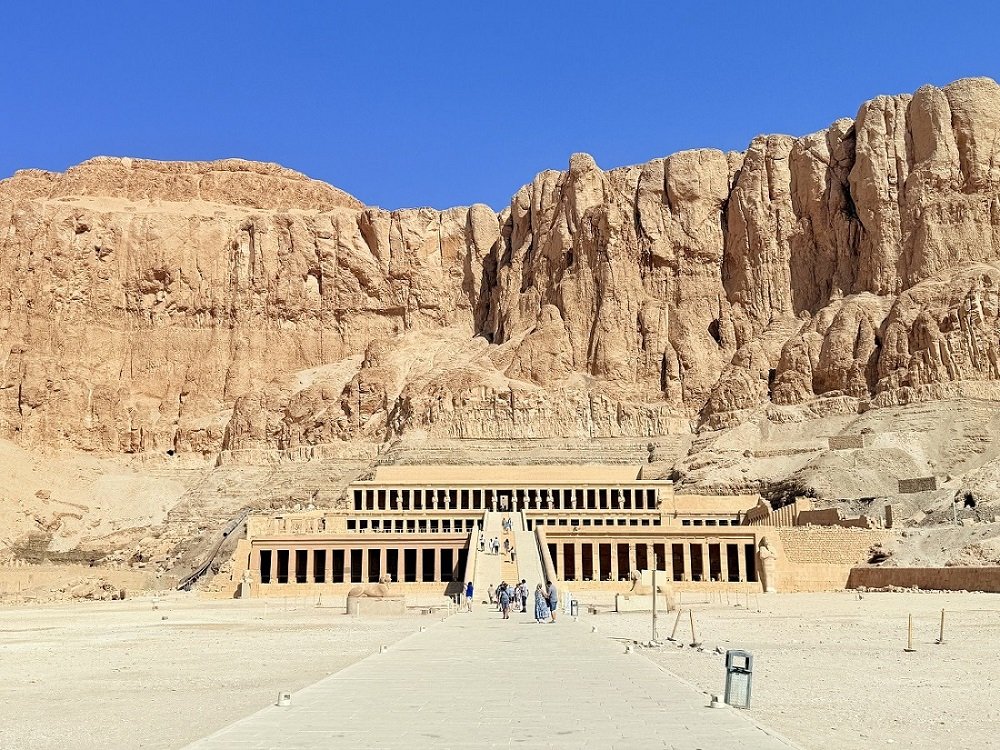
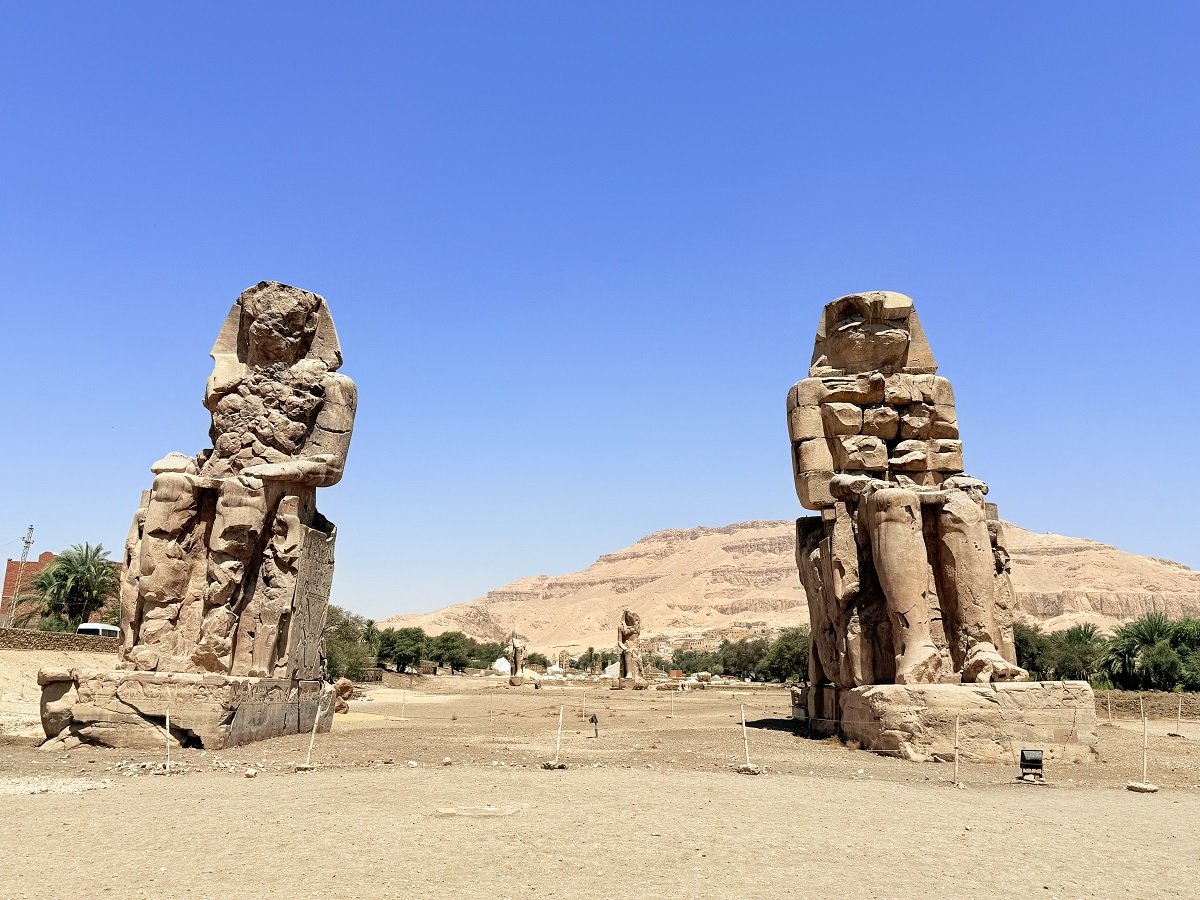
Then Hatshepsut’s temple at Deir el-Bahari, three colonnaded terraces cut back into the cliff. Hatshepsut began as regent for Thutmose III and went on to rule as a crowned king in full pharaonic regalia — with his regnal years still running alongside hers. The middle terrace carries reliefs of her expedition to Punt and of her divine birth. Finish at the Colossi of Memnon, the twin seated statues of Amenhotep III that are all that stands above ground of the largest temple ever built in Egypt.
Lunch at a local restaurant, then the road east to Hurghada — around four hours across the Eastern Desert — for two all-inclusive nights on the Red Sea.
Meals Plan: Breakfast, Lunch & Dinner
A free day. The house reef, a pool, and nothing scheduled. Diving, snorkelling trips, glass-bottom boat, desert quad safari and submarine trips can all be arranged locally on request.
Meals Plan: Breakfast, Lunch & Dinner (all-inclusive)
Transfer to Hurghada Airport for the flight to Cairo, then a transfer to your hotel for the final night.
Meals Plan: Breakfast Only
Transfer to Cairo International Airport for your flight home. When you want to come back — Abu Simbel, the White Desert, Siwa — just ask.
Meals Plan: Breakfast Only