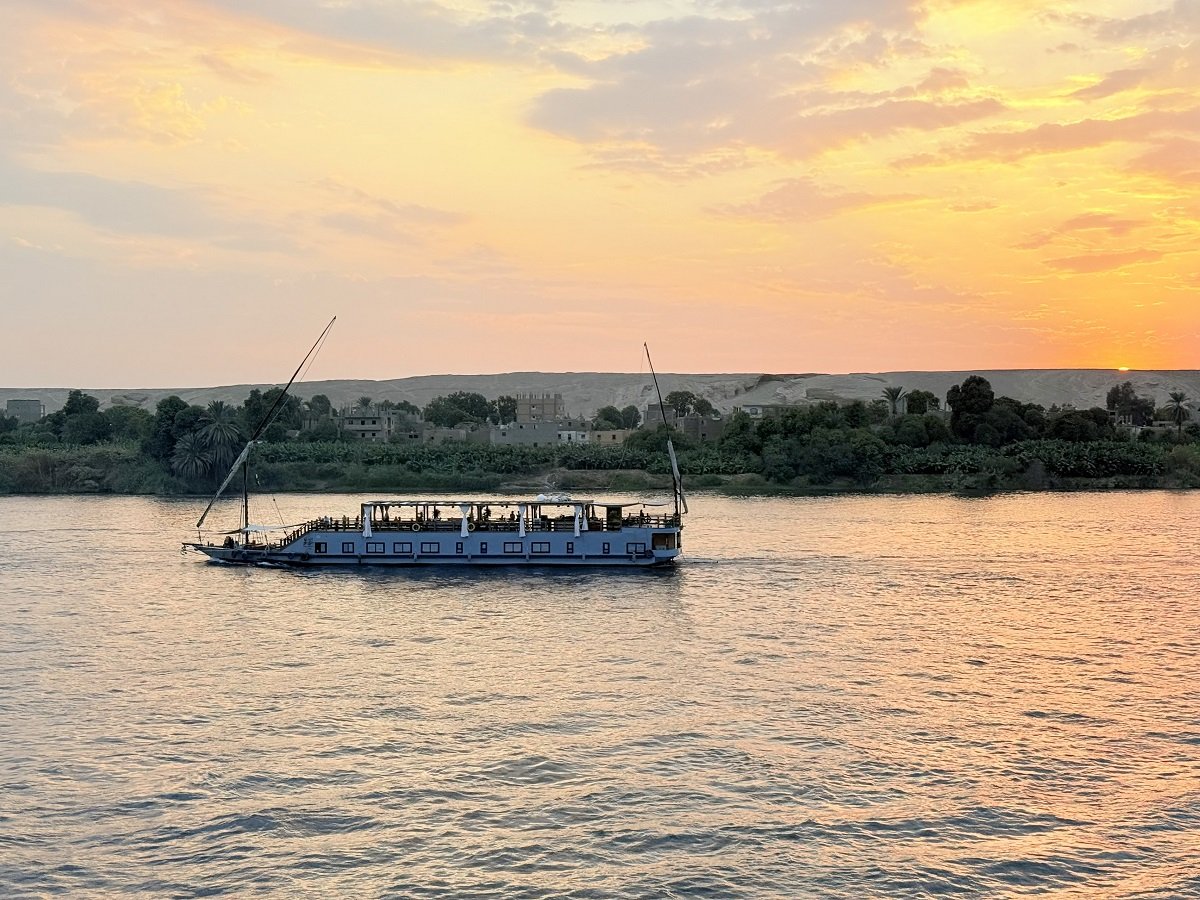
Most Egypt itineraries move you between cities. This one moves you between speeds. The first three days are Cairo at full volume — the Giza pyramid field, the Grand Egyptian Museum, Coptic Cairo, the Citadel, and the bargaining and clamor of Khan el-Khalili. Then you fly south, step aboard a dahabiya at Luxor, and everything slows down. A dahabiya is a two-masted sailing boat carrying a handful of cabins rather than a hundred. Seven nights on this Cairo and Dahabiya Nile cruise take you upstream to Edfu and Kom Ombo, on to Aswan, then back north through the Esna lock to Luxor — the same round trip the first European travellers made in the 1840s, at more or less the same pace.
What that pace buys you is the one thing a 70-cabin cruise ship cannot sell: the freedom to moor where a ship has to keep going. Sandbanks, palm-shaded banks, villages where the only sound after dark is a dog and a diesel pump somewhere across the water. You are a dozen or so people rather than two hundred, and your Egyptologist is beside you on deck rather than at the front of a coach with a microphone.
The temples themselves are the same temples everyone comes for. Karnak, Luxor, the Valley of the Kings, Horus at Edfu, the double sanctuary at Kom Ombo, Isis on Agilkia, Khnum at Esna. You simply arrive at them by river, which is how they were meant to be reached. Abu Simbel is included too — a desert drive south from Aswan on Day 8, and back aboard for lunch.
Choose Gold accommodation in Cairo (Egyptian 5-star standard, roughly a 3.5-star in the US or Europe) or Platinum (Egyptian 5-star deluxe, roughly a 4-star). Both tiers share the same dahabiya, the same guides and the same itinerary.
Your Egypt Best Vacations representative meets you inside the arrivals terminal at Cairo International Airport, holding a signboard, and stays with you through passport control and visa formalities. From there it is a private air-conditioned transfer to your hotel. The rest of the day is yours — most people sleep, and the ones who don’t go up to the roof to look at the city.
Meals Plan: No Meals Included
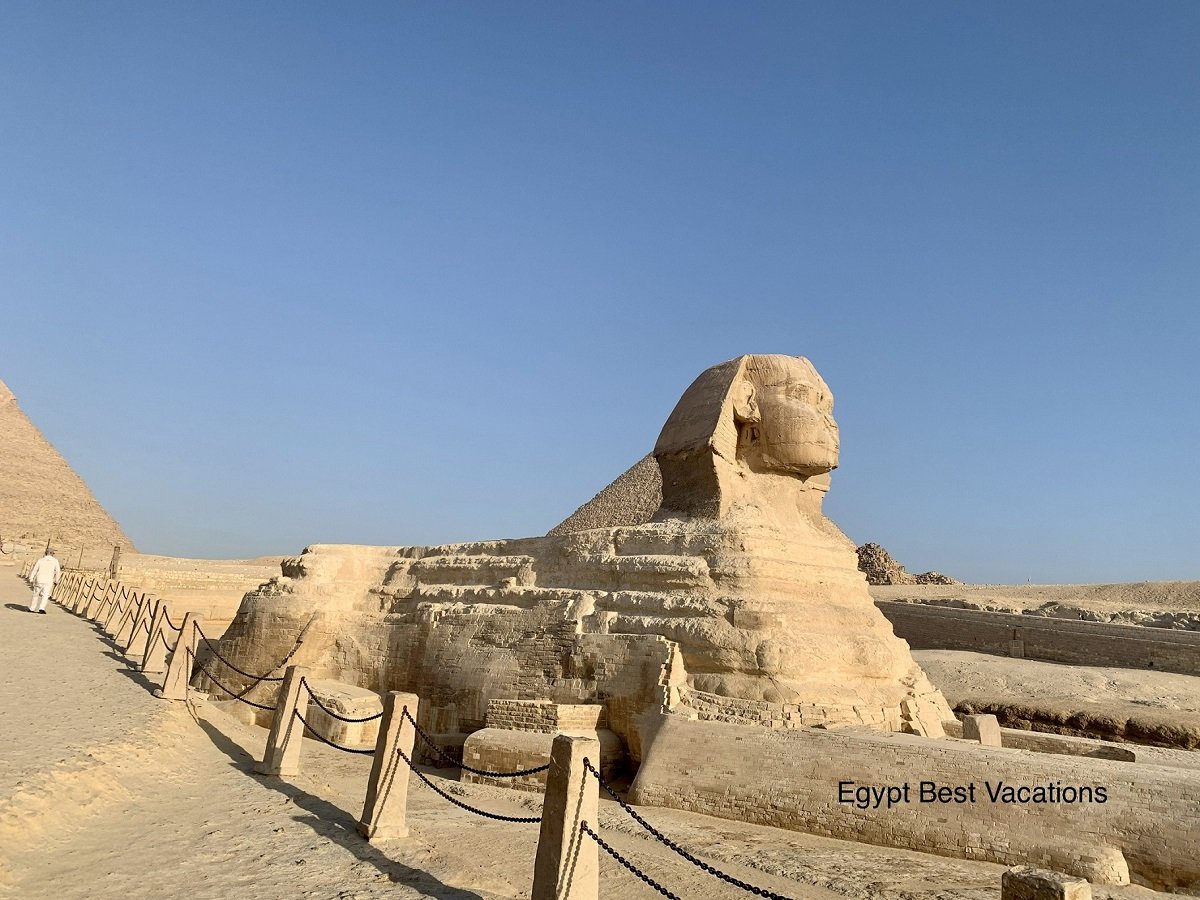
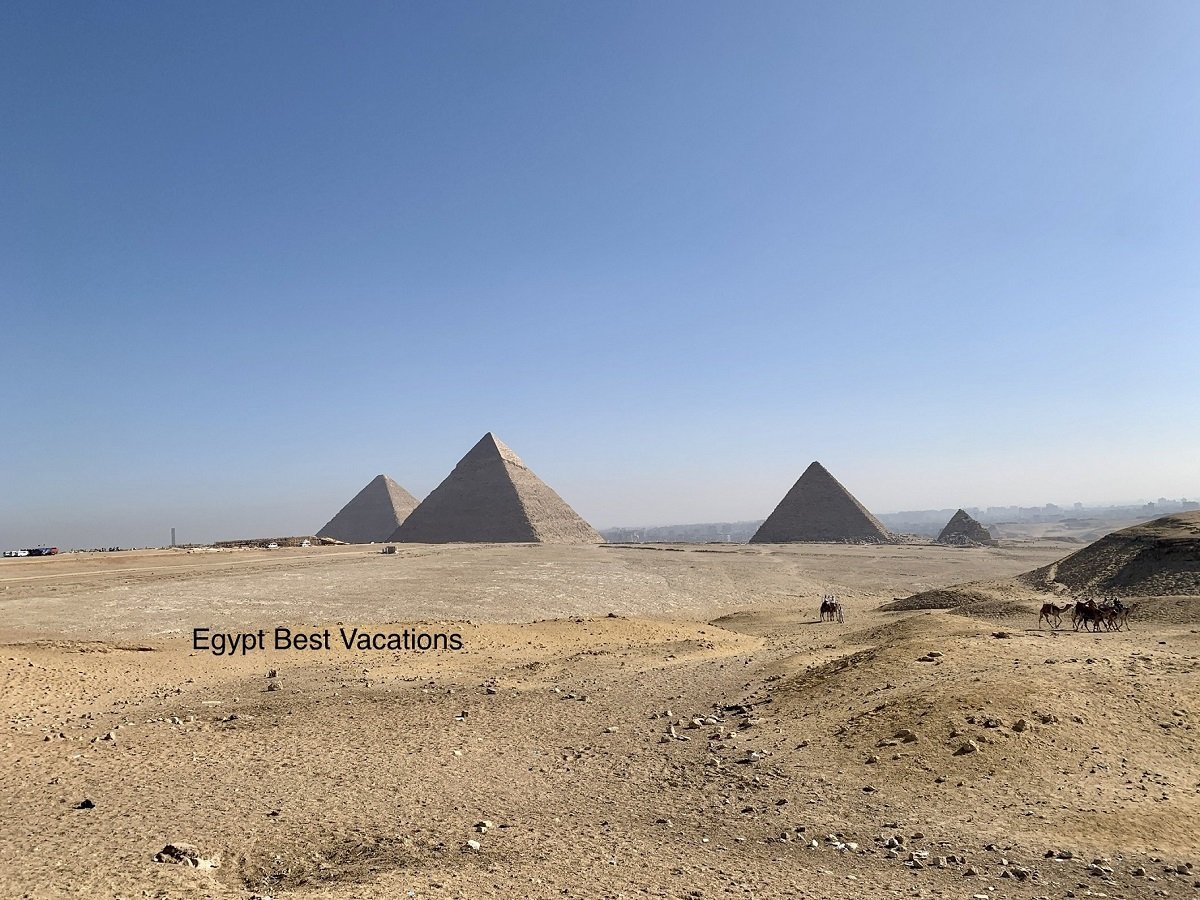
Your Egyptologist collects you after breakfast for the Giza plateau. The three pyramids of Khufu, Khafre and Menkaure were raised in the space of about eighty years in the Fourth Dynasty, and Khufu’s is the only one of the seven wonders of the ancient world still standing. You will see how the casing survives near Khafre’s apex, why the three differ in size, and what the subsidiary pyramids and boat pits were for. Then to the Sphinx, carved from a single outcrop of bedrock left over from the quarrying of Khufu’s own pyramid.
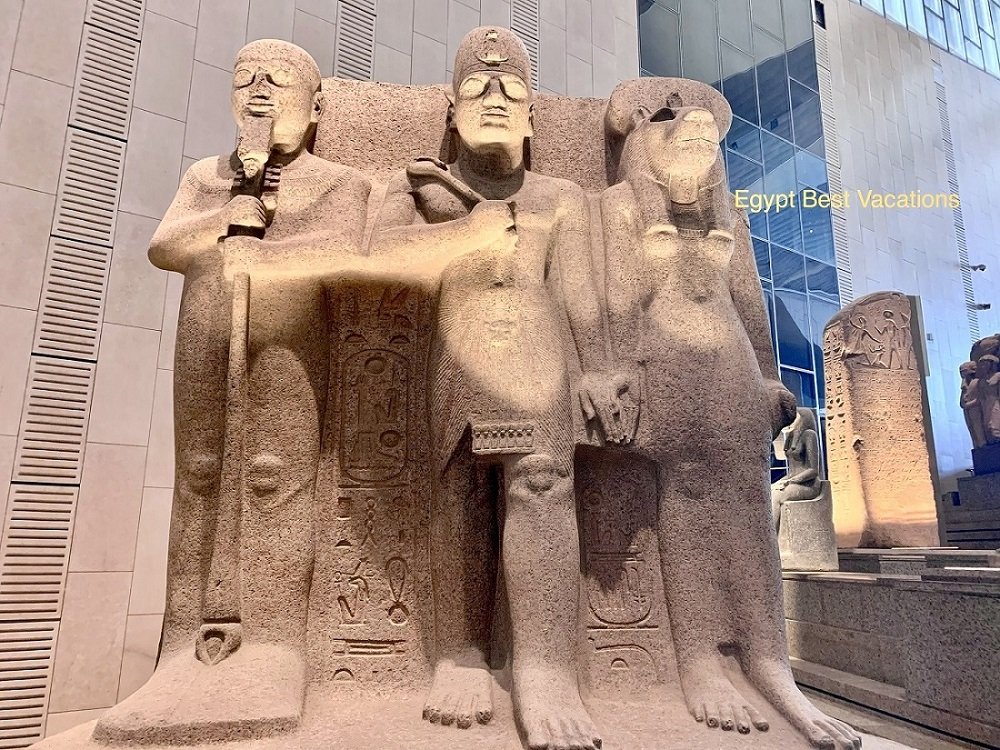
Lunch at a local restaurant, then the Grand Egyptian Museum. The full Tutankhamun collection is here — over five thousand objects shown together for the first time since Carter cleared the tomb — along with the Ramesses II colossus in the atrium and the grand staircase of royal statuary. Transfer back to your hotel in the late afternoon.
Meals Plan: Breakfast & Lunch
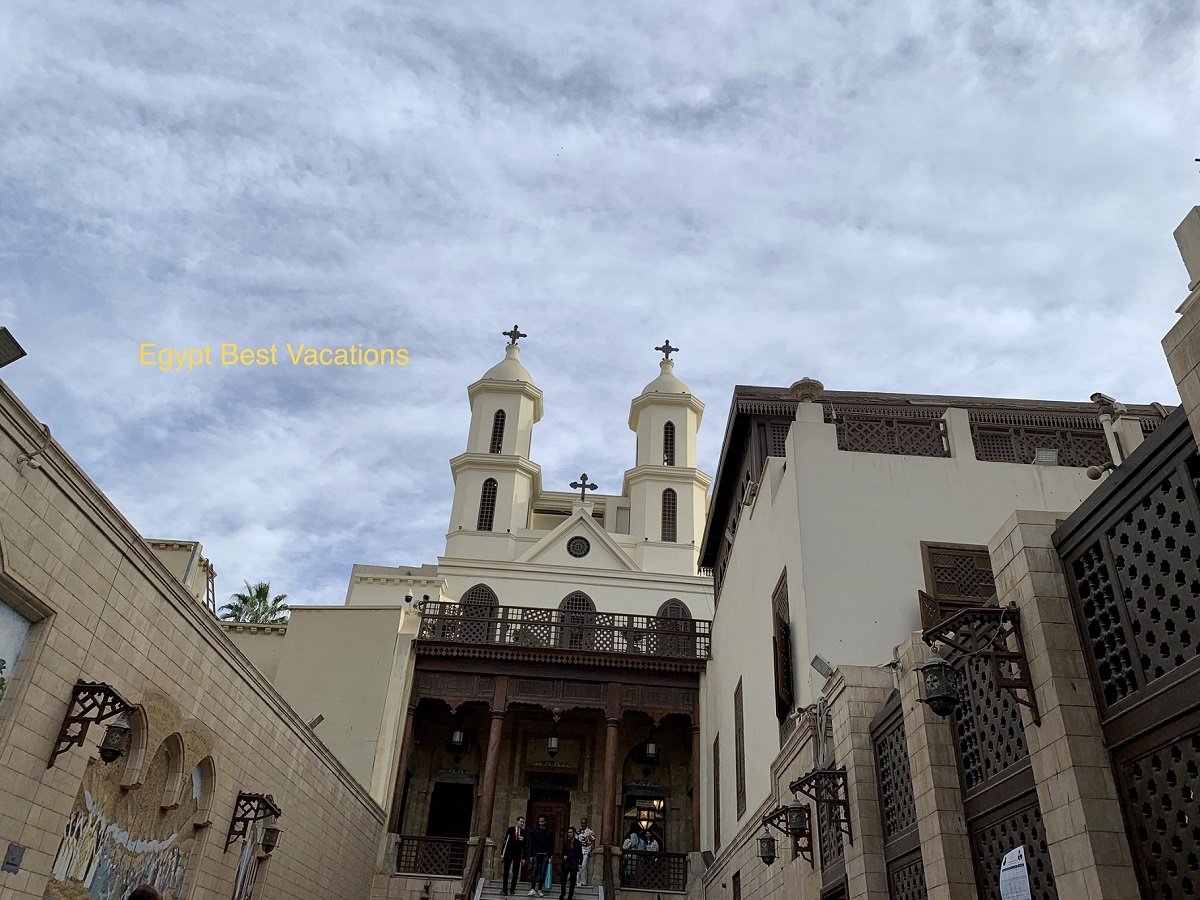
A different Cairo today. Begin in Coptic Cairo at the Hanging Church, suspended over the gatehouse of a Roman fortress, then Abu Serga, built above the crypt where tradition places the Holy Family’s refuge, and the Ben Ezra Synagogue, where the Cairo Geniza was found.
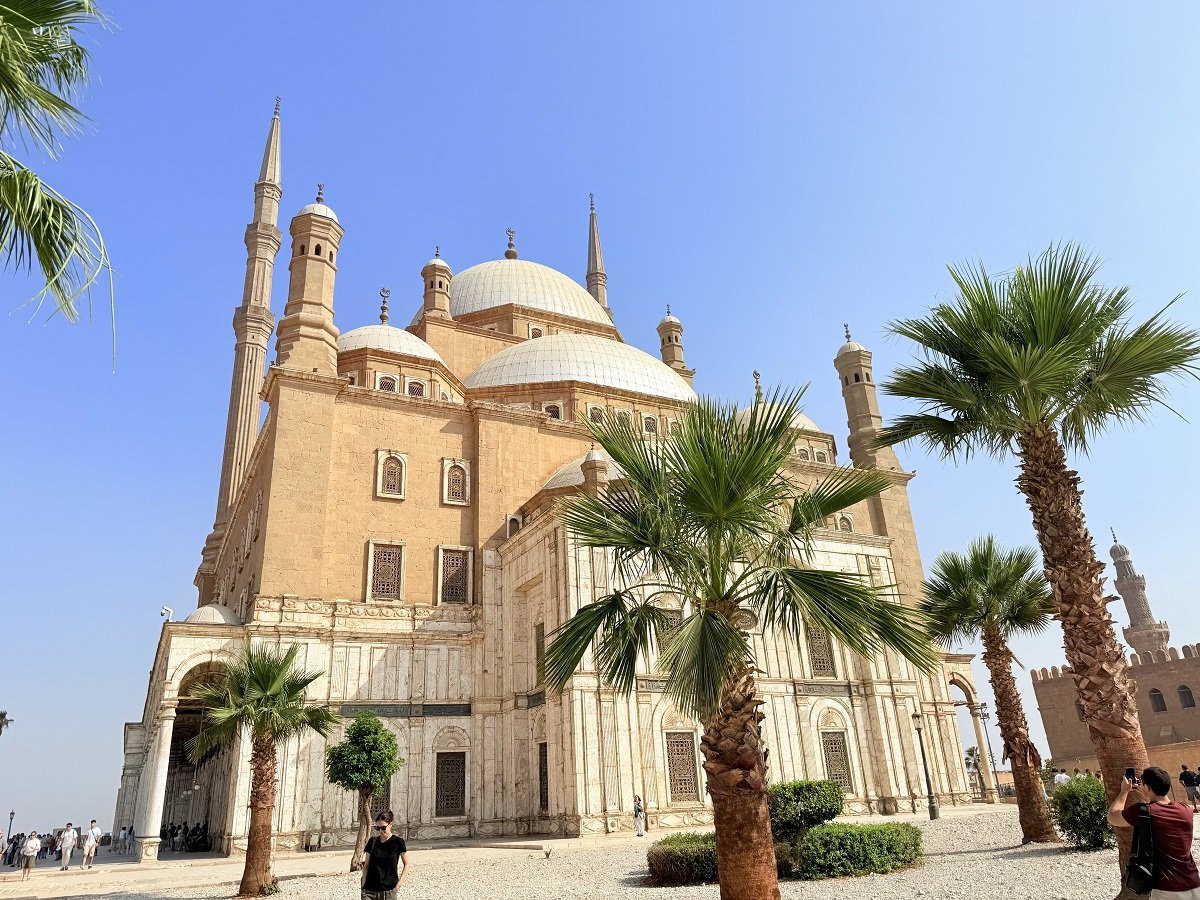
On to the Citadel, begun by Salah al-Din in 1176 to hold Cairo against the Crusaders and used as the seat of government for the next seven hundred years. Inside its walls stands the Mosque of Muhammad Ali, its alabaster facing and Ottoman domes visible from most of the city.
Finish in Khan el-Khalili, a working bazaar since the fourteenth century and still the place Cairenes go for copper, spice and gold. Then transfer to Cairo Airport for the flight to Luxor, where you are met and driven to your dahabiya. Dinner on board, moored at Luxor.
Meals Plan: Breakfast & Dinner
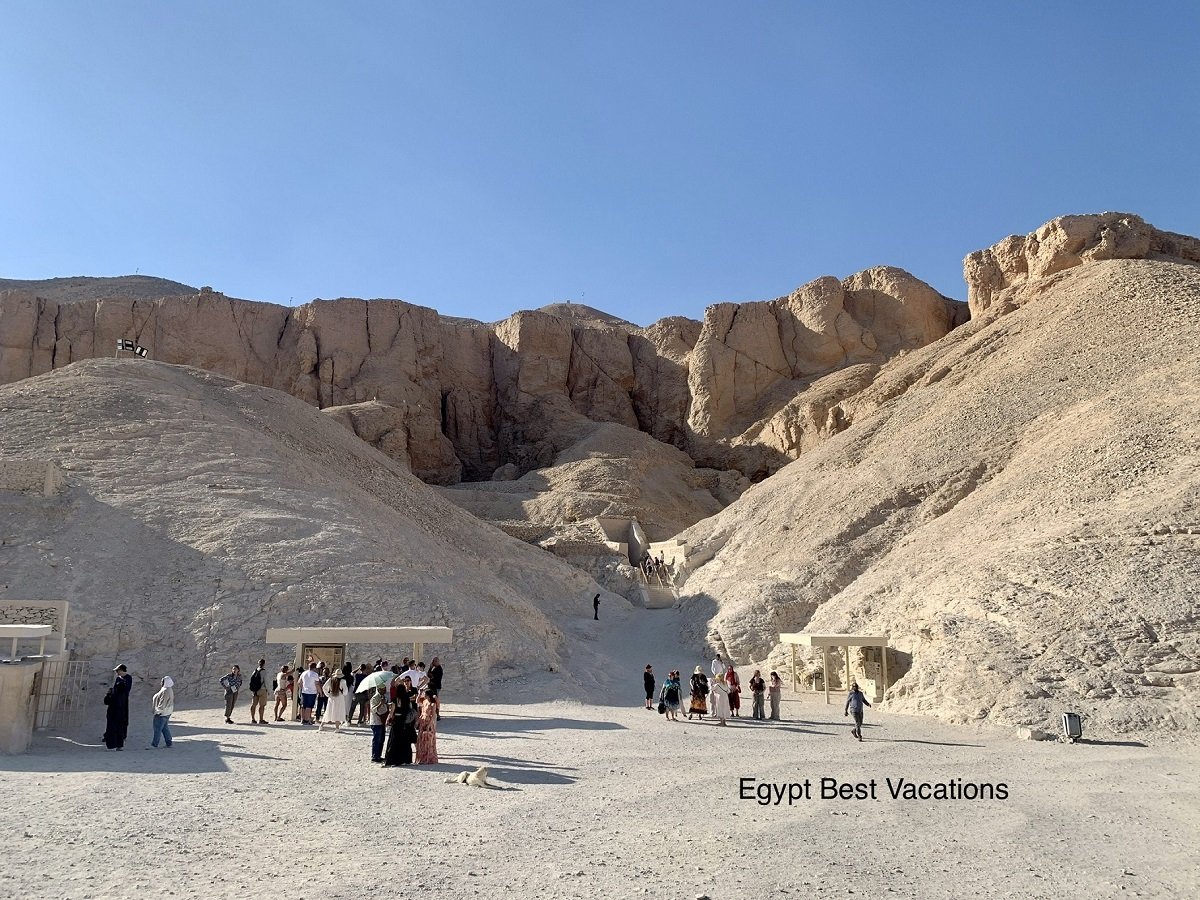
Cross to the west bank for the Valley of the Kings, where the New Kingdom pharaohs abandoned pyramids for rock-cut tombs hidden beneath the natural pyramid of el-Qurn. Your ticket admits you to three tombs; the painted ceilings and the underworld texts on the walls are the point, and your Egyptologist will read them for you.
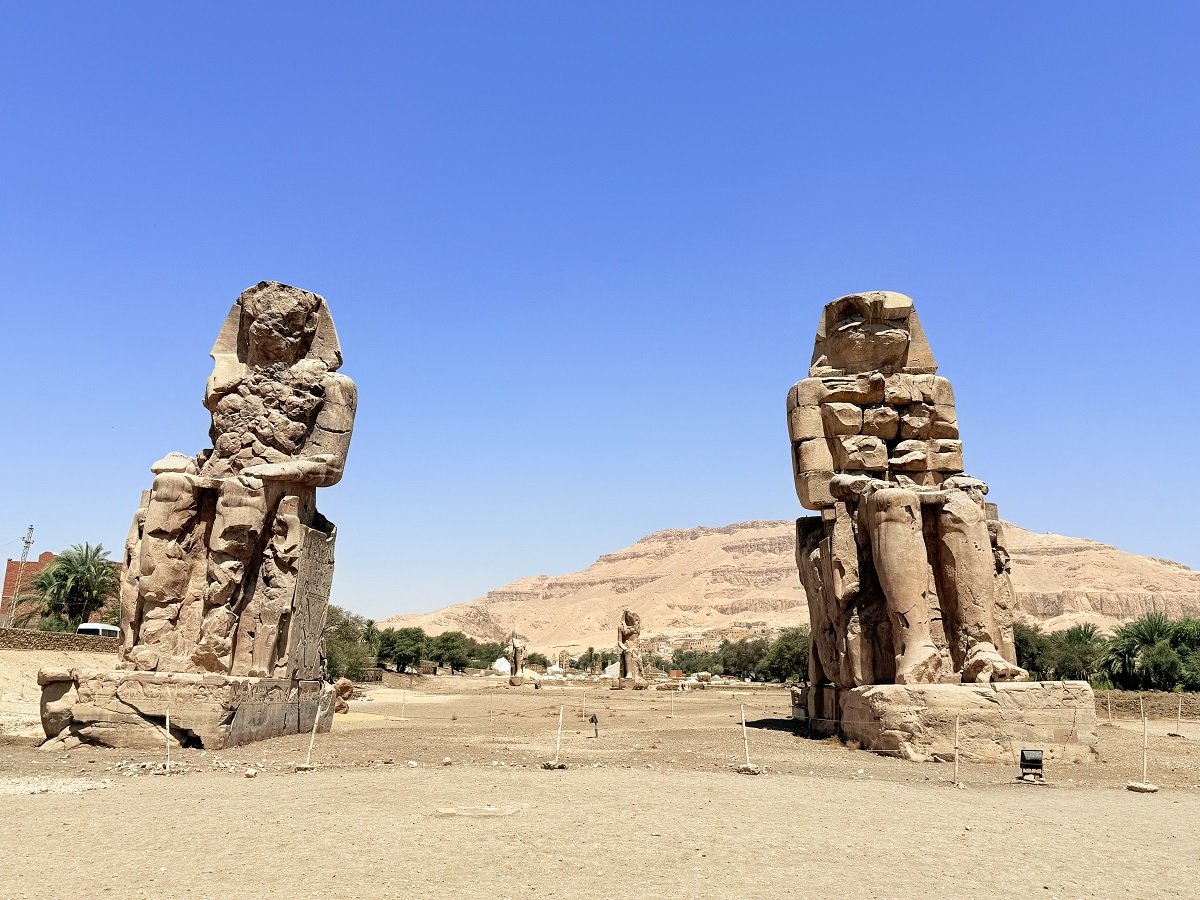
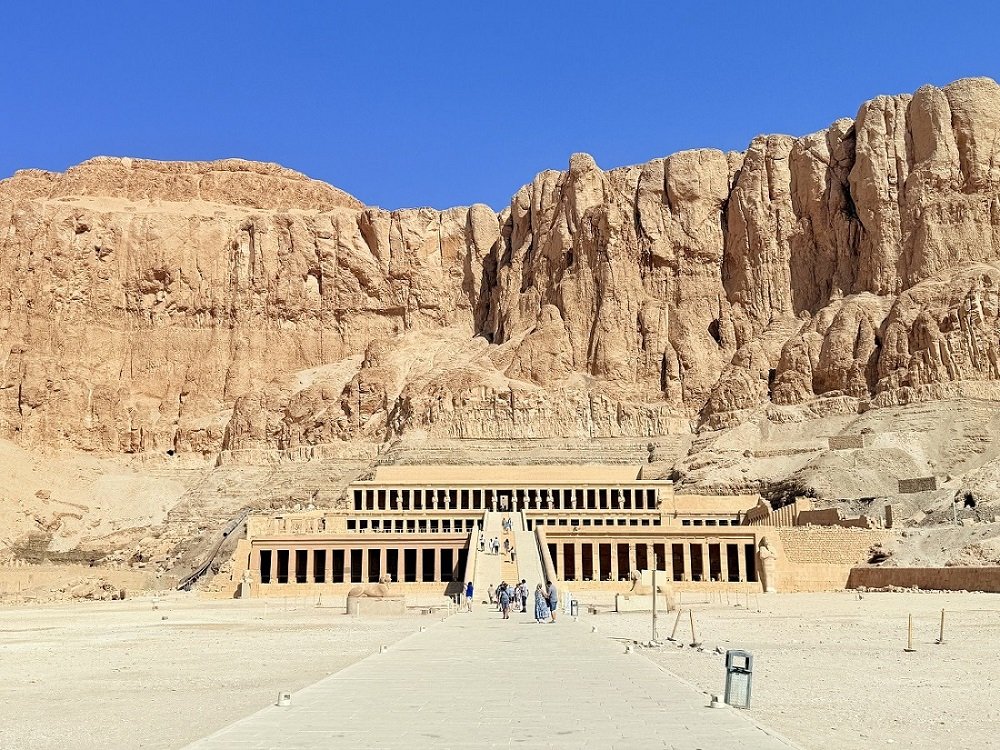
Then Deir el-Bahari, the terraced temple Hatshepsut built into the cliff. She ruled as senior co-ruler alongside her nephew Thutmose III, and the reliefs of her expedition to Punt survive on the middle colonnade. Finally the Colossi of Memnon, two seated statues of Amenhotep III that are all that remains above ground of what was once the largest temple on the west bank.
Back on board, the dahabiya casts off and works upstream. Overnight moored on the river.
Optional tour: Sunrise Hot Air Ballooning over Luxor
Meals Plan: Breakfast, Lunch & Dinner
A morning of sailing, then Edfu. A horse-drawn carriage takes you from the mooring to the Temple of Horus, begun in 237 BC and finished in 57 BC — Ptolemaic, and the most completely preserved temple in Egypt. The roof is intact, the pylon still stands to full height, and the sanctuary still holds the granite shrine. The wall reliefs record the annual re-enactment of Horus defeating Seth, which is about as close as anyone gets to reading the order of an Egyptian ritual.
Back on board for lunch and an afternoon under sail. Overnight moored near Edfu.
Meals Plan: Breakfast, Lunch & Dinner
Kom Ombo sits directly on a bend of the river, which means you walk from the mooring to the temple. It was begun under Ptolemy VI and is the only Egyptian temple built symmetrically for two gods: the southern half for Sobek the crocodile, the northern for Haroeris, Horus the Elder. Twin gateways, twin sanctuaries, twin everything. The Crocodile Museum beside it holds mummified crocodiles recovered from the surrounding cemeteries.
Sail on to Aswan through the afternoon. Overnight moored at Aswan.
Meals Plan: Breakfast, Lunch & Dinner
Start at the Aswan High Dam, built between 1960 and 1970, which ended the annual flood and created Lake Nasser behind it. Then a motorboat across to Agilkia Island for the Temple of Isis. The temple originally stood on Philae Island, which the first Aswan Dam had left half-submerged for most of the year; between 1972 and 1980 UNESCO cut it into some forty thousand blocks and rebuilt it here on higher ground. It was one of the last places in Egypt where the old religion was still practised.
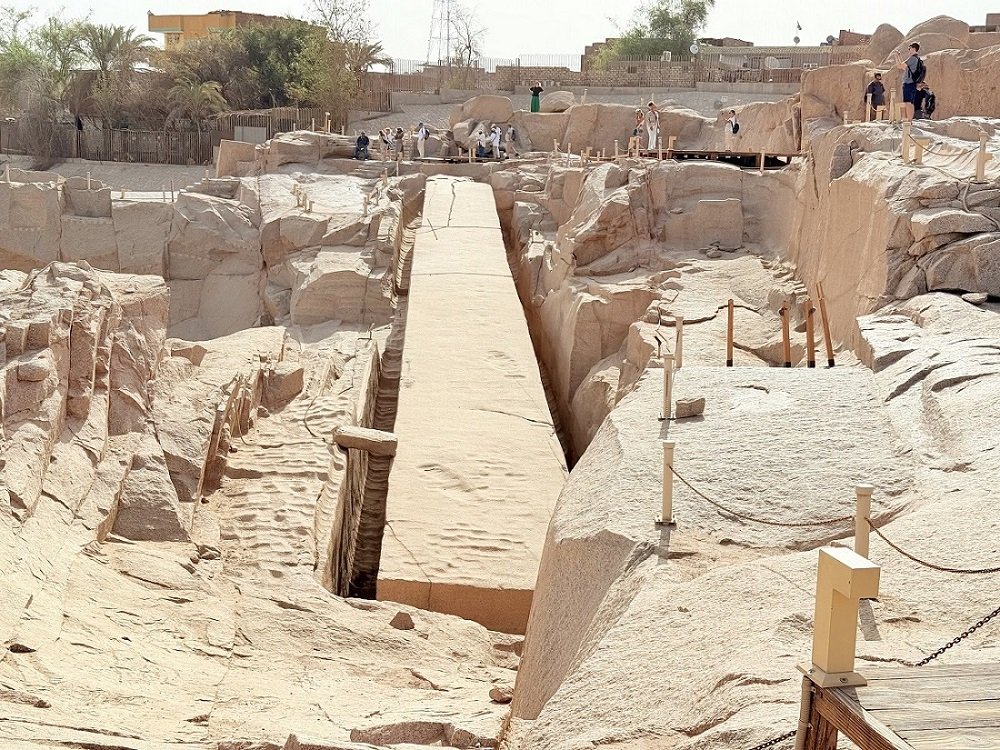
Finish at the Unfinished Obelisk, still lying in its granite quarry. Had it been raised it would have stood around forty-two metres and outweighed anything else the Egyptians ever cut, but a crack opened along its length and it was abandoned where it lay — which is why it is the best evidence we have for how obelisks were quarried at all. Overnight moored at Aswan.
Optional tour: Nubian Village Tour
Meals Plan: Breakfast, Lunch & Dinner
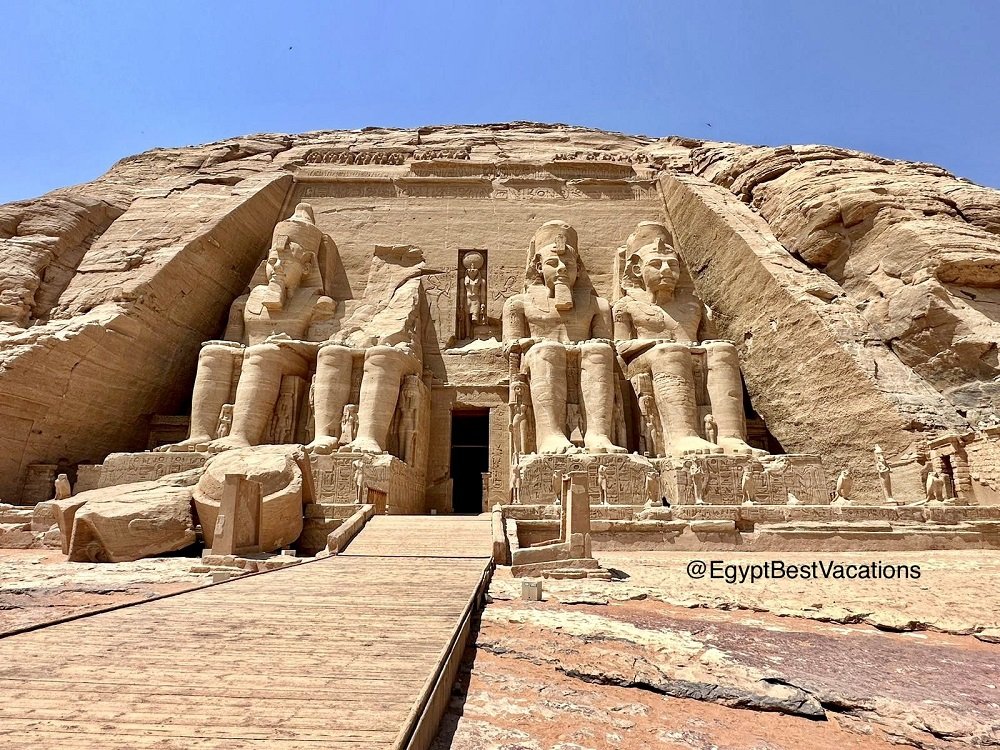
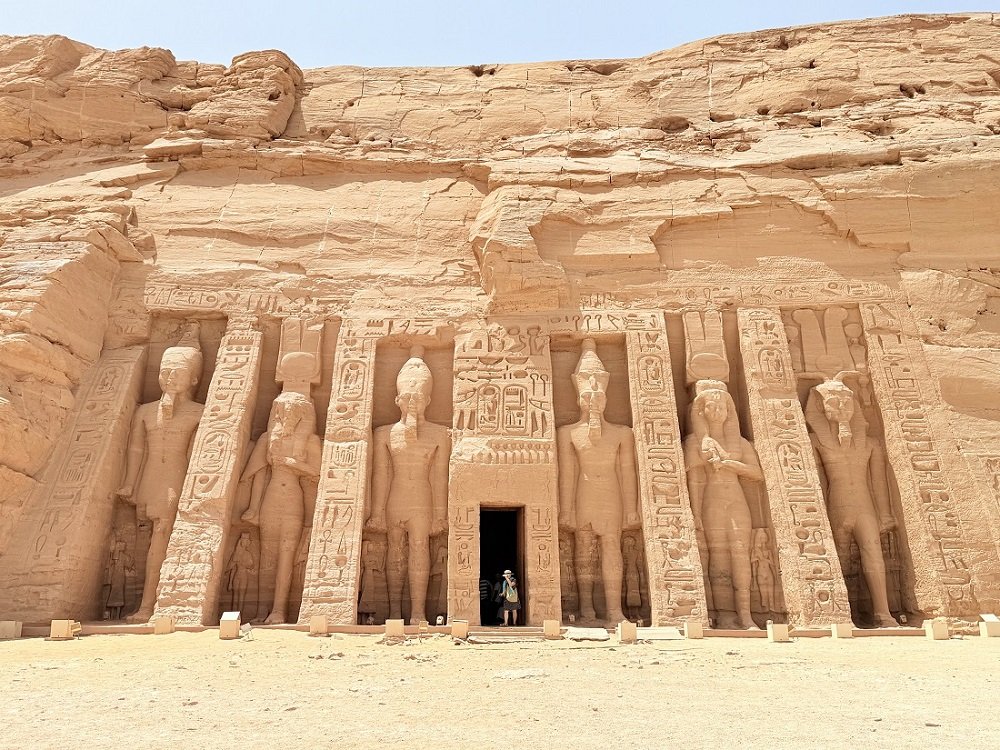
An early start and a drive south across the desert, about three and a half hours each way, which puts you at Abu Simbel ahead of the main crowds. The Great Temple’s four seated colossi of Ramesses II are carved directly into the cliff face; the smaller temple beside it is dedicated to Hathor and to Nefertari, his Great Royal Wife. Both were cut into blocks and lifted sixty-five metres higher between 1964 and 1968, before the water behind the High Dam reached them. The Great Temple was also realigned so that the sun still reaches the sanctuary twice a year.
Back aboard for a late lunch. The dahabiya casts off in the afternoon and runs north with the current. Overnight moored on the river.
Meals Plan: Breakfast, Lunch & Dinner
An early call at Esna for the Temple of Khnum, sunk nine metres below the level of the modern town that grew up over it. Only the hypostyle hall survives, but its astronomical ceiling — under conservation for several years now, with the colour coming back extraordinarily bright — is worth the descent on its own.
Then the dahabiya enters the Esna lock, which takes an hour or two depending on traffic and is worth watching from the deck. From there it is a straight run downstream to Luxor.
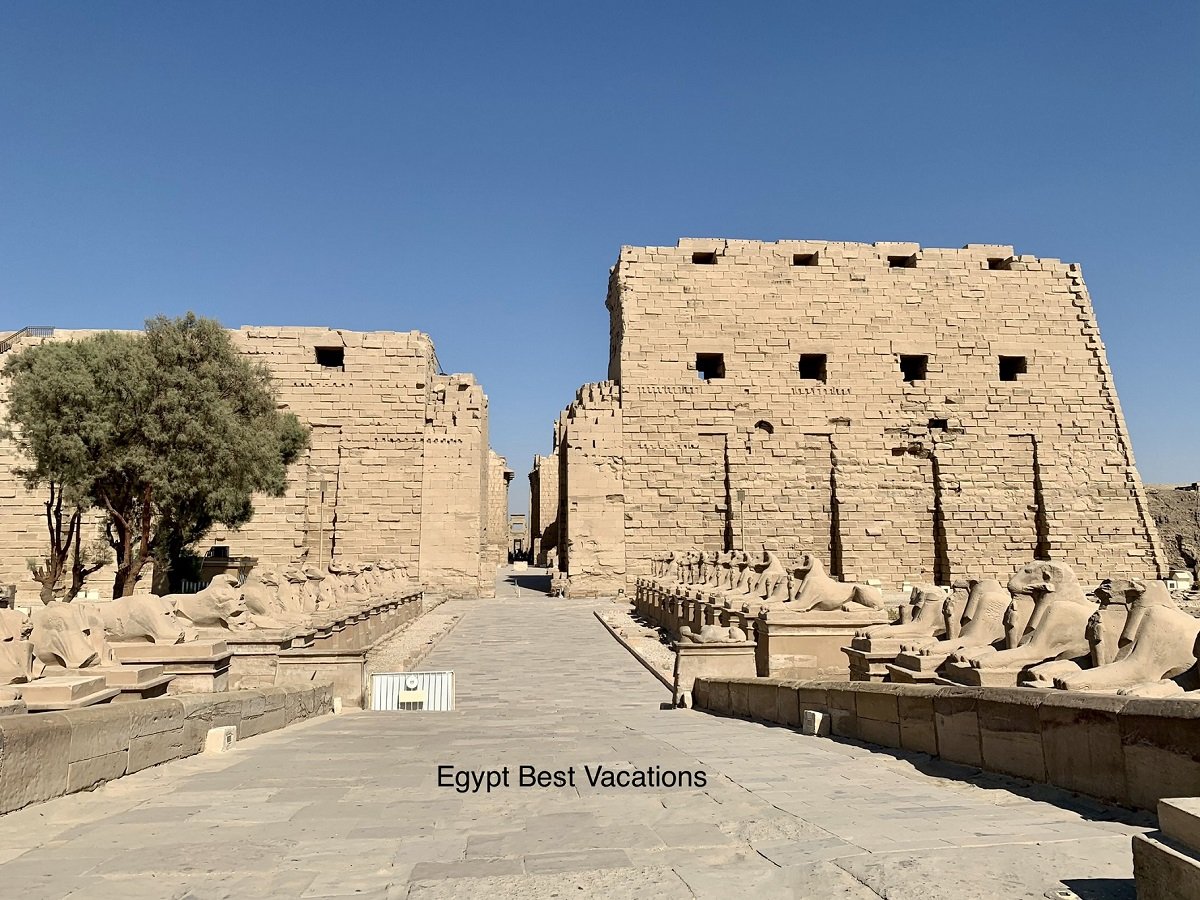
You arrive in the afternoon for Karnak, roughly a hundred hectares of sanctuaries, pylons and courts and the largest temple complex in Egypt, built and rebuilt over two thousand years from the Middle Kingdom through to the Ptolemies. Luxor Temple after dark, floodlit, connected to Karnak by the avenue of sphinxes. Final night moored at Luxor.
Meals Plan: Breakfast, Lunch & Dinner
Breakfast and disembarkation, followed by a transfer to Luxor Airport to fly back to Cairo. Transfer from Cairo Airport to your hotel for the final night of your Egypt 11-day Cairo and Dahabiya cruise adventure.
Meals Plan: Breakfast Only
Transfer to Cairo International Airport for your flight home, at the end of your 11 day Cairo and Dahabiya Nile cruise. If Egypt has done what it usually does, you are already working out when you can come back — the Red Sea, the Western Desert oases, or Alexandria and the Mediterranean coast.
Meals Plan: Breakfast Only