MS Movenpick Prince Abbas Lake Nasser Cruise: Aswan, Nubia & Abu Simbel

0
Price
From$800
Full Name*
Email Address*
Nationality*
Mobile Number
Arrival Date*
No. of Adults ( +11.99 years )*
No. of Children
Additional Notes
* I agree with Terms of Service and Privacy Statement.
Please agree to all the terms and conditions before proceeding to the next step
Save To Wish List

Adding item to wishlist requires an account

3

Get a Question?

Do not hesitate to give us a call or WhatsApp.

+20-155-1580-786

info@egyptbestvacations.com

  • Duration4 or 5 Days
  • AvailabilityEvery: Monday & Friday
  • PickupAswan or Abu Simbel Airport
  • Tour TypeSmall group
    (max 16 people)

Overview

MS Movenpick Prince Abbas: a 5-Star Ship on Lake Nasser

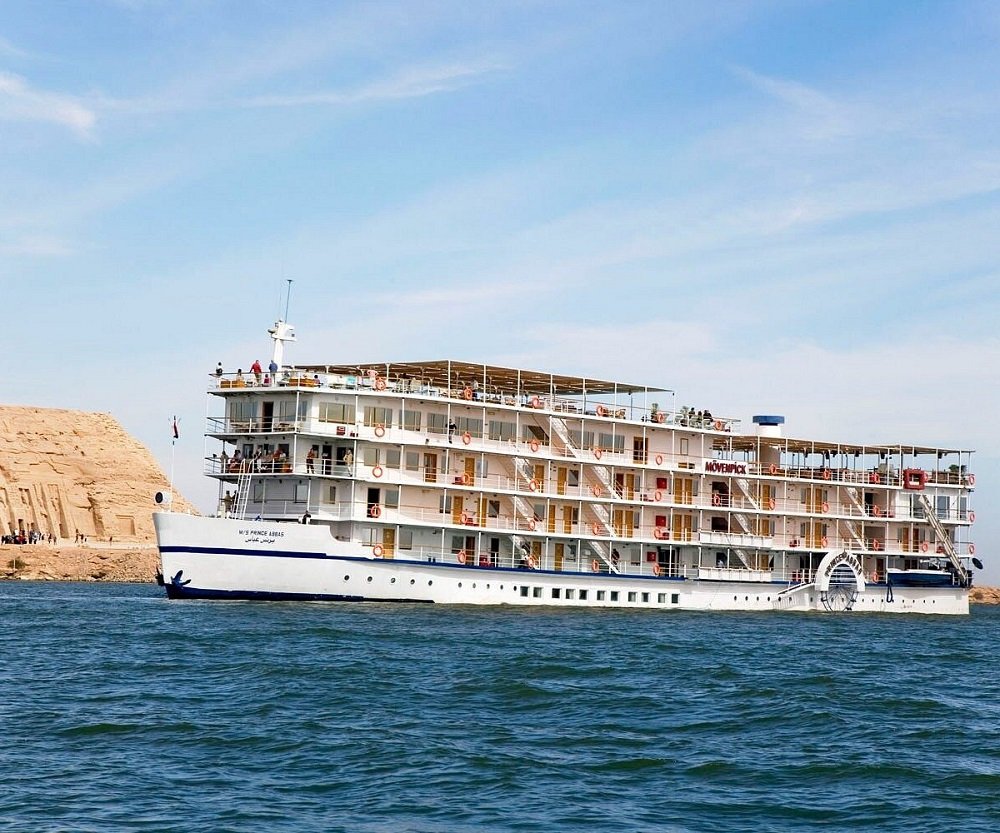
The Movenpick Prince Abbas sails Lake Nasser between Aswan and Abu Simbel, on 3 and 4-night itineraries through ancient Nubia, full board and guided throughout by a licensed Egyptologist. From $800 per person sharing a triple cabin.

This is not the Nile. It is the lake the High Dam created, and it holds the strangest collection of monuments in Egypt: every temple you visit here was moved. When the water rose over Lower Nubia in the 1960s, an international campaign cut them apart and rebuilt them on higher ground — Kalabsha, Wadi el-Seboua, Amada, Abu Simbel itself. Knowing that changes how they look.

Departures are fixed — every Monday from Aswan, every Friday from Abu Simbel — so it’s worth building your wider Egypt dates around the sailing.

On Board

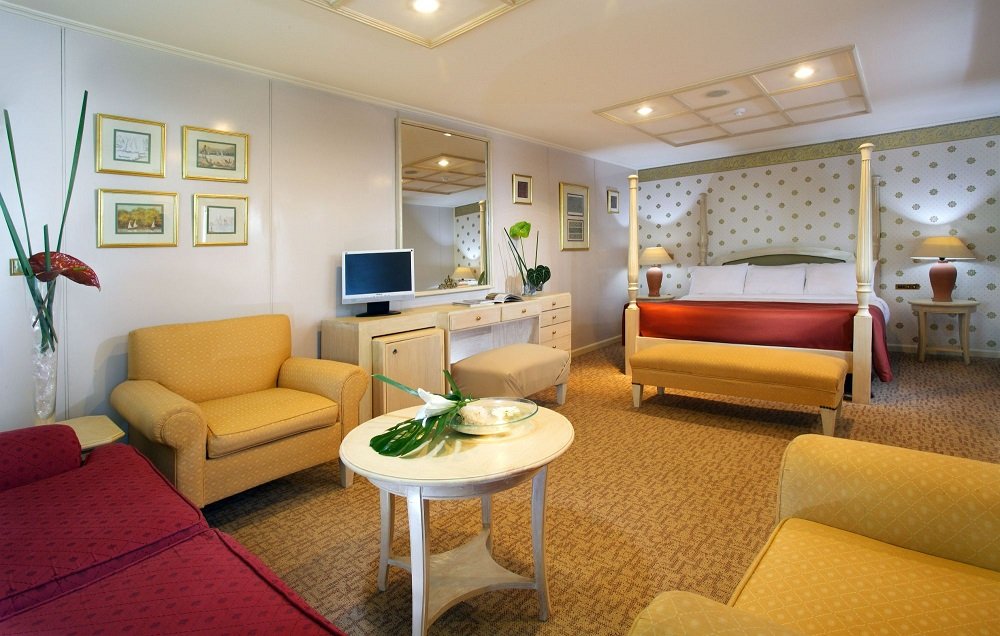
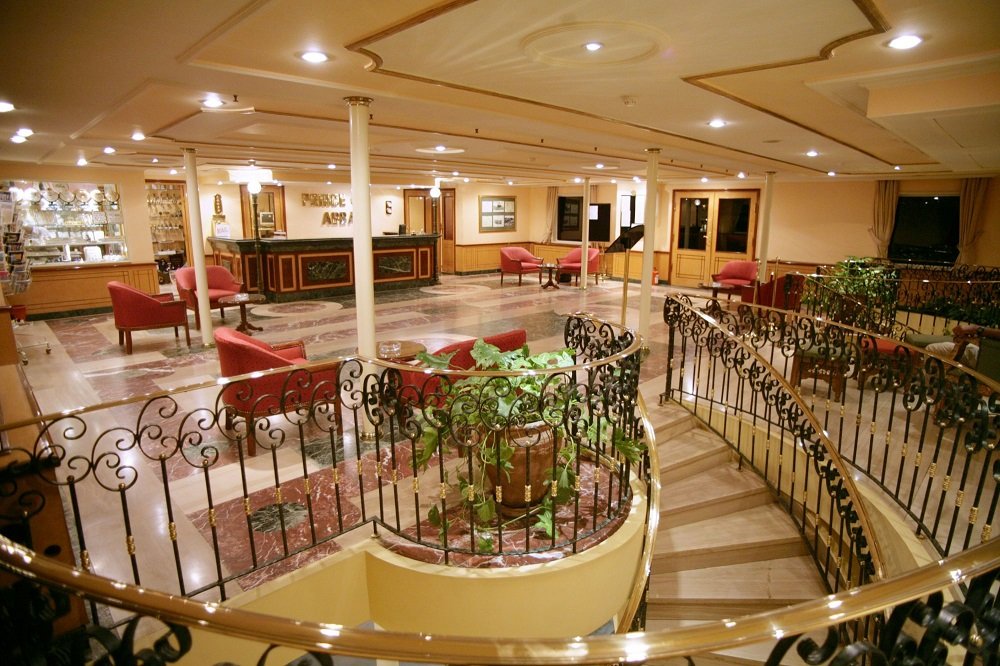
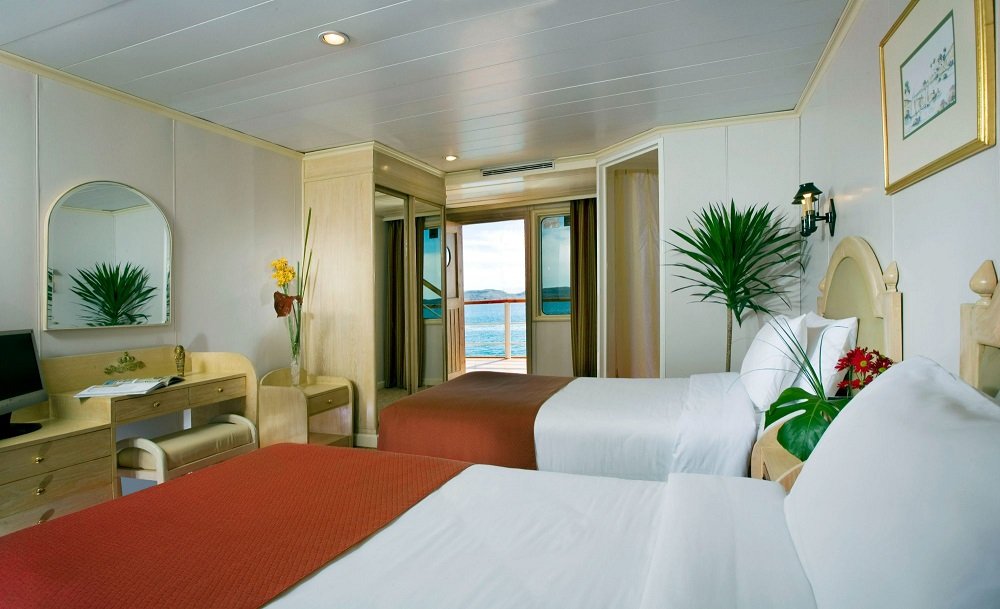
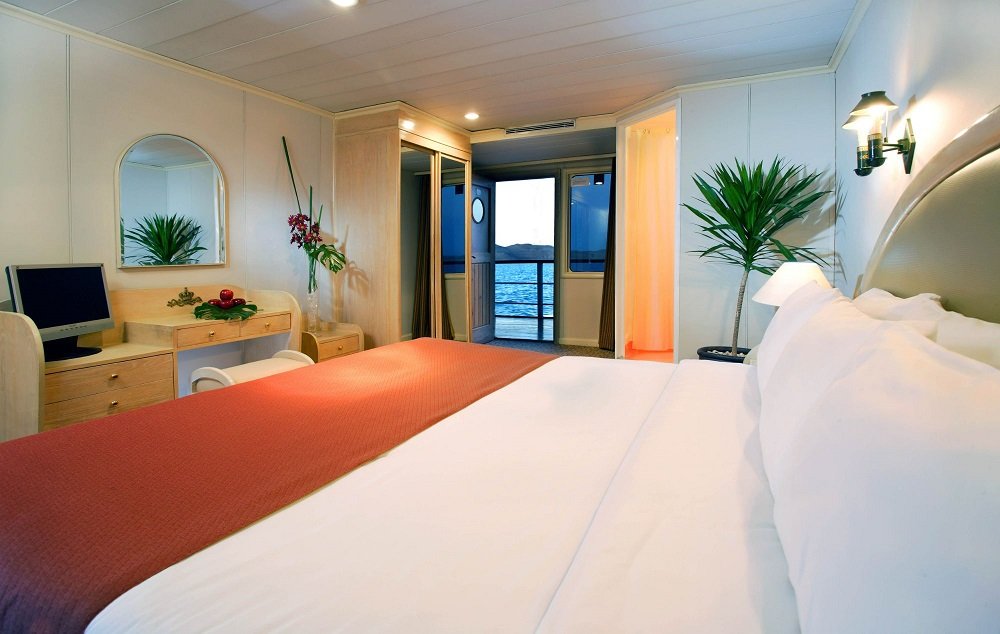
The Prince Abbas is small: 65 cabins and suites for around 130 guests, built in the style of a 19th-century paddle steamer with external walkways along the cabin decks. Standard cabins run to roughly 22 m² with panoramic windows, alongside 18 junior suites and 4 royal suites.

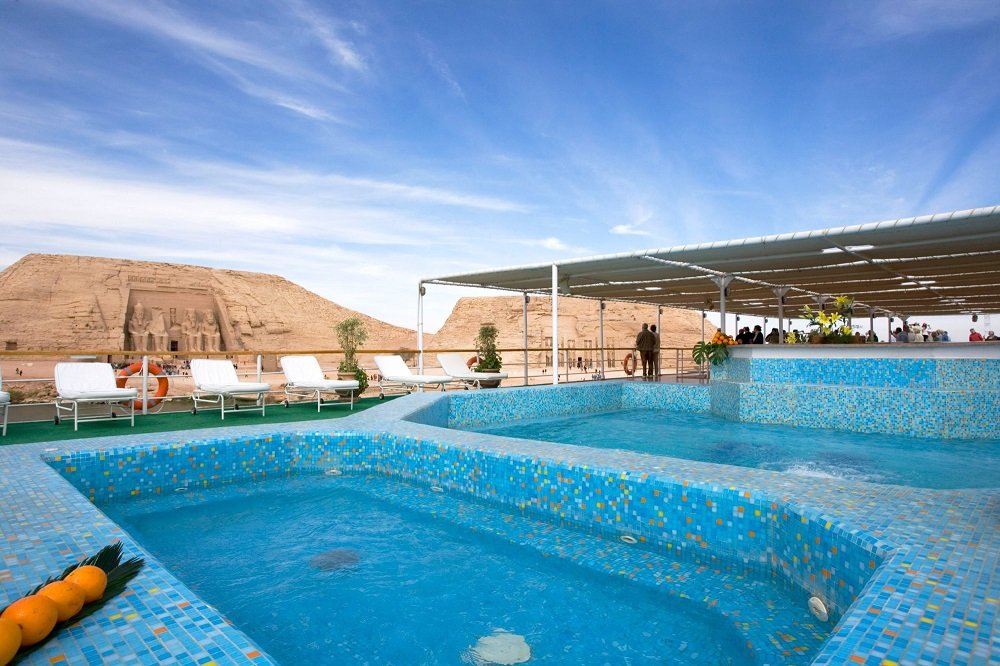
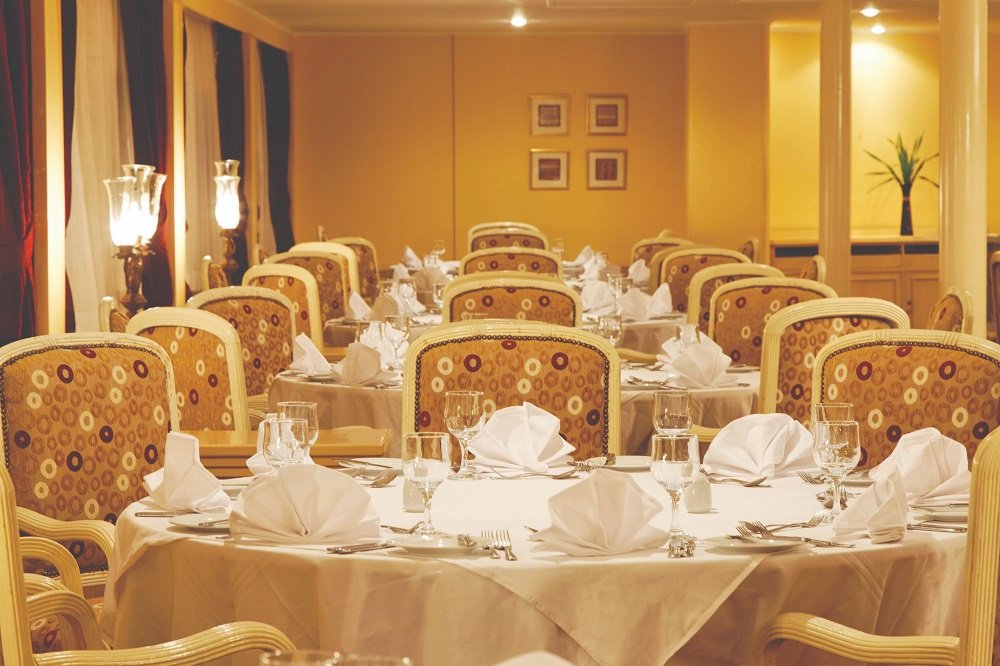
Dining is at the Robaeyat restaurant below the main deck — international and Egyptian cooking, buffet and à la carte. Outside there’s a two-tiered sun deck with a mosaic-lined plunge pool and whirlpool, and shaded seating up top, which matters more than it sounds on a lake this hot.

Booking with Egypt Best Vacations

A licensed Egyptian operator based in Luxor, run by a working Egyptologist. That matters more on this route than most — the Nubian temples are unfamiliar even to people who know Egypt well, and almost nothing on the lake explains itself without a guide who can place it.

Three consecutive TripAdvisor Travellers’ Choice Awards: 2024, 2025 and 2026. We arrange the flights into Aswan or Abu Simbel, the nights either side, and a Luxor–Aswan Nile cruise before or after if you want both rivers in one trip.

MS Prince Abbas Facilities & Amenities

  • 65 cabins and suites, including junior suites and royal suites
  • Cabins approximately 22 m²
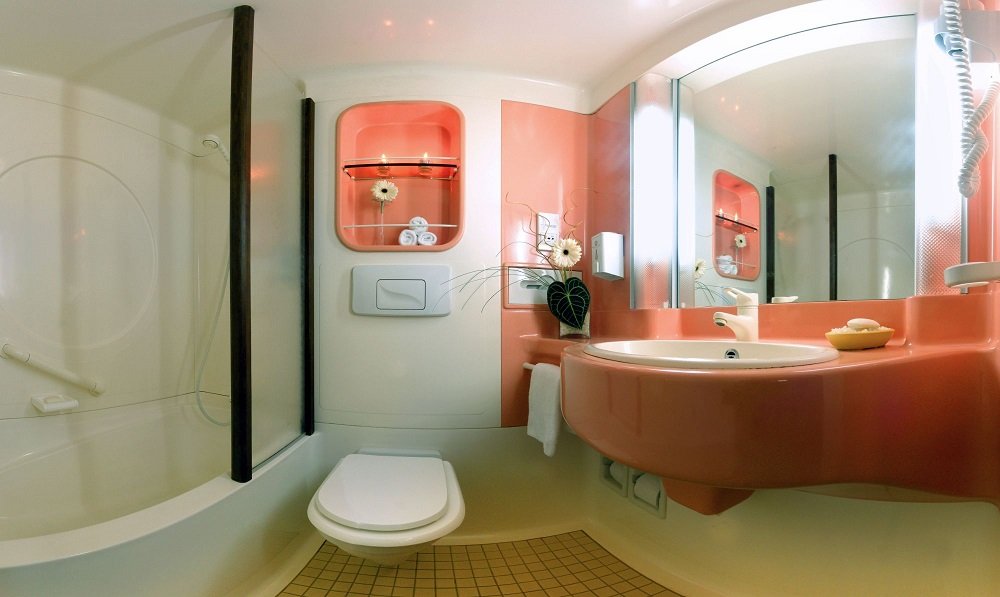
  • En-suite shower room
  • Individually controlled air conditioning
  • Television
  • Minibar
  • Telephone with international calling via GSM
  • Gymnasium
  • Sun deck with loungers
  • Plunge pool with whirlpool, mosaic-lined
  • Shaded seating area on the top deck
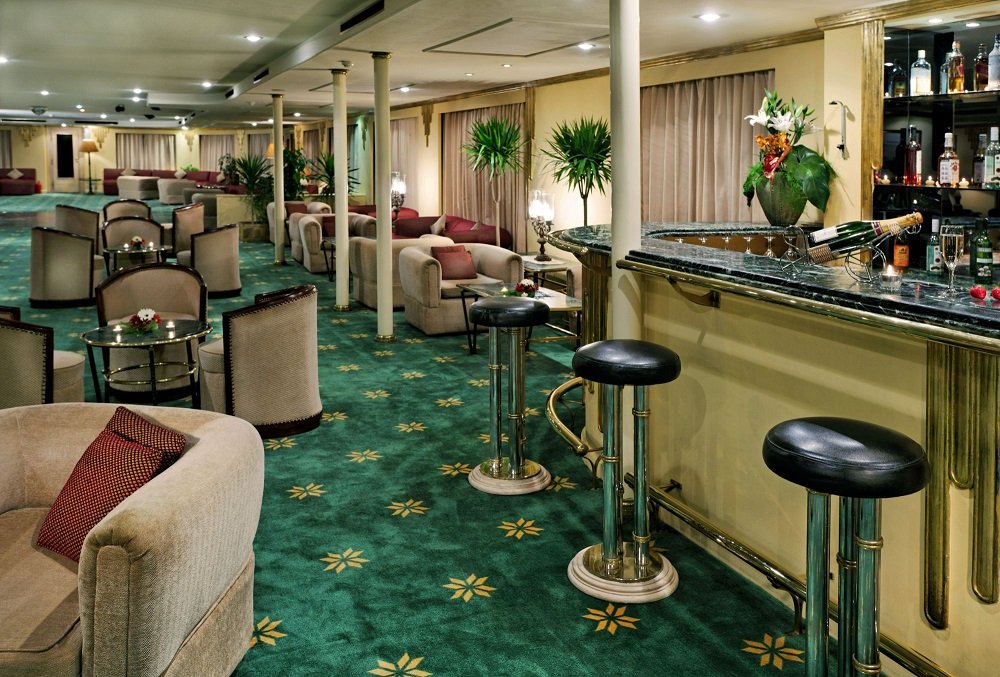
  • Salon deck — lounge, round bar, dance area, evening entertainment
  • Sun deck bar
  • Sauna and massage
  • Panoramic windows
  • Safe, and hairdryer
  • All cabins non-smoking
  • Styled after a 19th-century paddle steamer, with external walkways

Price Includes

  • Airport pickup and drop off service
  • All transfers as per the itinerary by air-conditioned vehicles
  • Accommodation on a full board basis
  • All tours as per the itinerary
  • Entrance fees of all sites as per the itinerary
  • Licensed English speaking tour guide
  • All service charges & local taxes

Price Excludes

  • Domestic flights
  • Gratuities
  • Drinks
  • Any optional tour
  • Travel insurance

3-Night Itinerary: Abu Simbel to Aswan, every Friday

Friday Embark at Abu Simbel

You join the ship at Abu Simbel, either flying in from Aswan or Cairo or driving down, and the greatest monument on the lake is the first thing you see rather than the last.

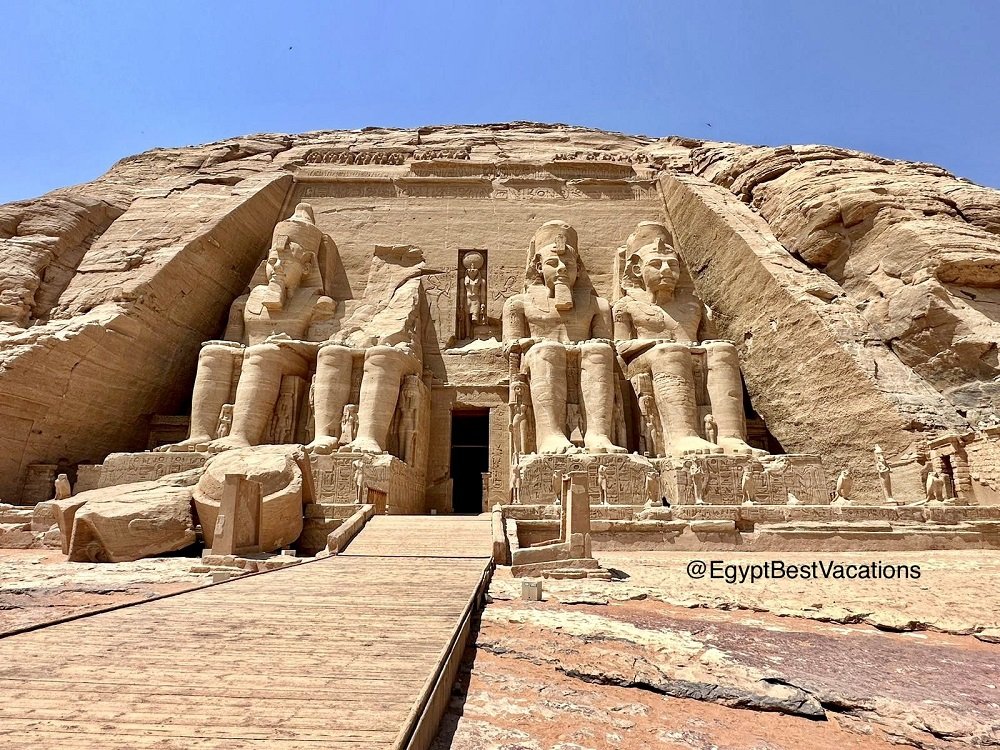
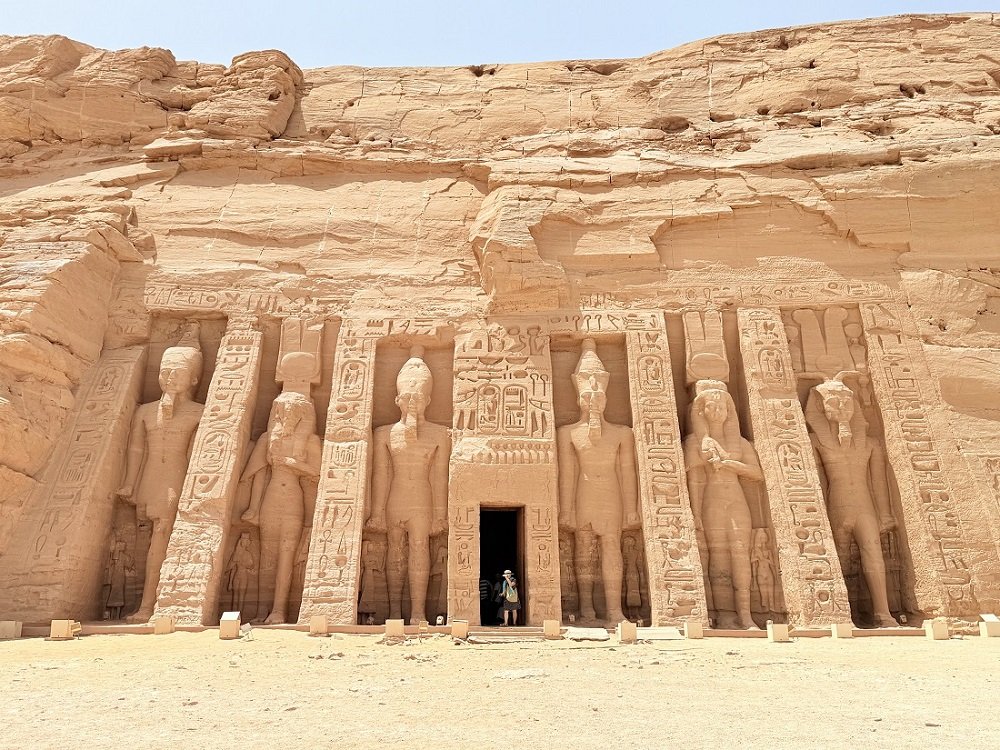
The Great Temple of Ramses II, with its four twenty-metre colossi facing the water, and the sanctuary cut sixty metres back into the rock where the sun reaches the gods twice a year, in late February and late October. Beside it the Temple of Nefertari, where the queen is carved at the same height as the king – almost unheard of in Egyptian art.

Both were dismantled into more than a thousand blocks between 1964 and 1968 and rebuilt higher and further back, inside a hollow artificial hill, ahead of the rising lake.

Because the ship moors here, you have the evening sound and light show and the site at first light, which the road convoys never get.

Meals: Lunch & dinner

SaturdayKasr Ibrim from the deck, Amada, Derr and Pennout

Sailing north, the ship passes Kasr Ibrim, the only monument on Lake Nasser still in its original place. It was a fortress on a clifftop sixty metres above the valley; the water rose until the cliff became an island. Occupied continuously from about 1000 BC to 1812, and still an active excavation, so nobody lands. You see it from the deck.

Ashore at Amada, the oldest temple on the lake – Thutmose III and Amenhotep II, two centuries before Abu Simbel. French engineers moved it whole, on rails, rather than cutting it into blocks, which is why its painted reliefs are the best preserved of anything here.

Alongside it, the rock-cut temple of Derr and the tomb of Pennout, viceroy of Nubia under Ramses VI – a rare private tomb this far south, showing an official’s world rather than a king’s.

Meals: Breakfast, lunch, dinner

SundayWadi el-Seboua, Dakka and Maharraqa

Three temples from three different places, now sharing one site.

Wadi el-Seboua – the Valley of the Lions, named for its avenue of sphinxes. Ramses II built it; Christians later made it a church and painted St Peter over the sanctuary, so the king now appears to be offering flowers to a saint.

Dakka, a temple of Thoth begun by a Meroitic king from Sudan and completed by Ptolemies and Romans, with a pylon you can climb. And Maharraqa, small and unfinished, holding the only spiral staircase known in any Egyptian temple.

The ship sails on through the afternoon toward the High Dam.

Meals: Breakfast, lunch, dinner

MondayKalabsha and Beit el-Wali, disembark at Aswan

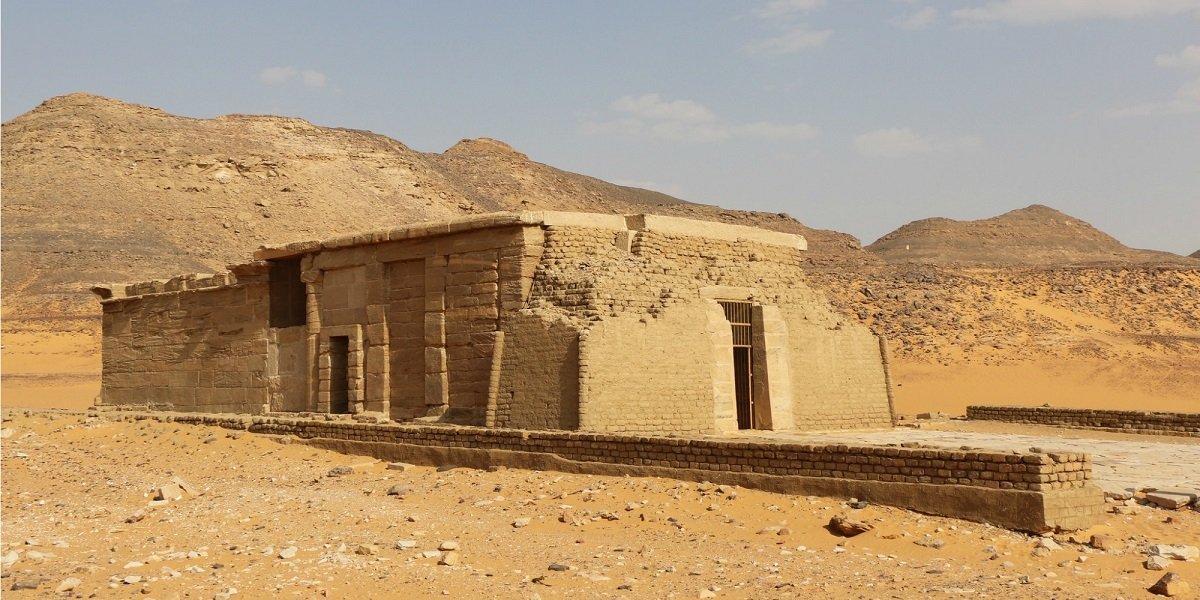
The last group of monuments stands near the High Dam. Kalabsha is the largest free-standing Nubian temple, begun under Augustus for the sun god Mandulis and moved here from fifty kilometres south in thirteen thousand blocks.

Beit el-Wali, cut into rock for Ramses II, holds the best surviving painted colour on the lake – his Nubian campaign, with tribute of gold, ivory, leopard skins and a live giraffe. The Kiosk of Qertassi, a small Roman pavilion with Hathor columns, stands with them.

Disembark at the High Dam and transfer to Aswan airport, the railway station, or your hotel.

Meals: Breakfast only

4-Night Itinerary: Aswan to Abu Simbel, every Monday

MondayEmbark at Aswan, Kalabsha, Beit el-Wali and Qertassi

You board at the High Dam rather than in Aswan town – the lake begins on the far side of it. Your guide meets you at Aswan airport or the railway station and drives you out.

The first three monuments stand together on a promontory near the dam, none of them where they were built. Kalabsha is the largest free-standing temple in Nubia, begun under Augustus for Mandulis, a Nubian sun god the Romans adopted. It was moved in the 1960s from a site fifty kilometers south, in thirteen thousand blocks, paid for by West Germany.

Beside it, Beit el-Wali – a small rock-cut temple of Ramses II with the best-preserved painted colour of anything on this lake. The reliefs show his Nubian campaign: the king in his chariot, and Nubians bringing tribute of gold, ivory, leopard skins, ostrich feathers and a live giraffe.

The Kiosk of Qertassi completes the group – a small Roman pavilion with Hathor-headed columns, moved here for the same reason as the others.

Back aboard, and the ship sails south. Lunch and dinner on board.

Meals: Lunch & dinner

TuesdayWadi el-Seboua, Dakka and Maharraqa

Three temples that began their lives in three different places and now share one site.

Wadi el-Seboua means Valley of the Lions, for the avenue of sphinxes leading up to it. Ramses II built it, and its later history is the interesting part: it became a Christian church, and a painting of St Peter was added over the sanctuary reliefs. The result is that Ramses now appears to be presenting flowers to a Christian saint. Nobody planned it, and it is one of the odder sights in Egypt.

Dakka was a temple of Thoth, begun by a Meroitic king from Sudan and finished by the Ptolemies and the Romans – three cultures on one building. You can climb its pylon.

Maharraqa is small, unfinished and unique: it has the only spiral staircase known in an Egyptian temple.

Sailing again in the afternoon. The lake is at its widest here and the shoreline is pure desert.

Meals: Breakfast, lunch & dinner

WednesdayAmada, Derr and Pennout, passing Kasr Ibrim

Amada is the oldest surviving temple on the lake, built by Thutmose III and Amenhotep II in the 18th Dynasty – older than Abu Simbel by two centuries. It was saved differently from everything else here. Rather than cutting it apart, French engineers put the entire temple on rails and moved it two and a half kilometers in one piece, so its painted reliefs survived intact. They are the finest color you will see on this cruise.

Beside it stands the rock-cut temple of Derr, another of Ramses II’s, and the tomb of Pennout, who governed Nubia for Ramses VI. A private tomb this far south is rare, and it shows an official’s life rather than a king’s.

Sailing on, the ship passes Kasr Ibrim – and this is the one place on Lake Nasser still standing exactly where it always stood. It was a fortress on a cliff sixty metres above the valley floor; the water rose until the cliff became an island, and the ruins on top are what is left. People lived there continuously from around 1000 BC until 1812. It remains an active excavation and nobody goes ashore. You see it from the deck, which is the only way anyone sees it.

The ship moors overnight within sight of Abu Simbel.

Meals: Breakfast, lunch & dinner

ThrusdayAbu Simbel

The whole cruise has been building to this, and arriving by water is the reason to do it this way. The four seated colossi of Ramses II – each about twenty metres high – face the lake, and you see them from the deck before you see them from the ground.

Inside the Great Temple, the hall of Osiride pillars leads back into the rock to a sanctuary where four seated gods wait in the dark. Twice a year, in late February and late October, the rising sun reaches down the full length of the temple and lights three of the four. Ptah, god of the underworld, stays in shadow. That alignment survived the relocation.

Next to it, the Temple of Nefertari, dedicated to Hathor. Ramses had his queen carved at the same height as himself on the facade, which happens almost nowhere else in Egyptian art, and the dedication says she is the one for whom the sun rises.

Both temples were cut into more than a thousand blocks between 1964 and 1968 and rebuilt sixty-five metres higher and two hundred metres back from the water, inside an artificial mountain. You can find the joins if you look. Most people stop looking after a minute.

The ship stays moored here overnight, so the evening sound and light show is available and you have the site again at first light, before the road convoys arrive from Aswan.

Meals: Breakfast, lunch & dinner

FridayDisembarkation at Abu Simbel

Breakfast on board, then disembark. We transfer you to Abu Simbel airport for the short flight to Aswan or Cairo, or drive you back to Aswan by road, which takes around three hours.

If you are continuing to Luxor, Cairo or the Red Sea, tell us before you travel and we will connect it.

Meals: Breakfast only

Price Per Travel Season

3-Night Cruise Package Price

From 15 of September till 15 of December:

800 USD per person in a Triple cabin.

1000 USD per person in a Twin or Double Cabin.

1500 USD per person in a Single Cabin.

From 16 of December till 10th of January (Christmas & New Year Holidays):

1100 USD per person in a Triple cabin.

1500 USD per person in a Twin or Double Cabin.

2400 USD per person in a Single Cabin.

From 11 January till 25 March:

820 USD per person in a Triple cabin.

1050 USD per person in a Twin or Double Cabin.

1550 USD per person in a Single Cabin.

From 26 March till 10 April (Easter Holidays):

950 USD per person in a Triple cabin.

1300 USD per person in a Twin or Double Cabin.

2100 USD per person in a Single Cabin.

From 11 April till 30 April:

800 USD per person in a Triple cabin.

1000 USD per person in a Twin or Double Cabin.

1500 USD per person in a Single Cabin.

Please note, the MS Movenpick Prince Abbas does not operate between May and September.

4-Night Cruise Package Price

From 15 of September till 15 of December:

1000 USD per person in a Triple cabin.

1300 USD per person in a Twin or Double Cabin.

2050 USD per person in a Single Cabin.

From 16 of December till 10th of January (Christmas & New Year Holidays):

1400 USD per person in a Triple cabin.

1900 USD per person in a Twin or Double Cabin.

2900 USD per person in a Single Cabin.

From 11 January till 25 March:

1050 USD per person in a Triple cabin.

1350 USD per person in a Twin or Double Cabin.

2100 USD per person in a Single Cabin.

From 26 March till 10 April (Easter Holidays):

1200 USD per person in a Triple cabin.

1600 USD per person in a Twin or Double Cabin.

2500 USD per person in a Single Cabin.

From 11 April till 30 April:

1000 USD per person in a Triple cabin.

1300 USD per person in a Twin or Double Cabin.

2050 USD per person in a Single Cabin.

Please note, the MS Movenpick Prince Abbas does not operate between May and September.

Things to Know

Pricing Policy

All our prices are quoted in USD per person per trip. You can also make your payment online through a secure payment gateway with no additional fees or surcharges. We accept USD, Euros, GBP, CAD, AUD and NZD. The starting price is for one adult in a triple room on a group tour. It shows the lowest price during the low season. 

Tipping

Tipping is not included in our tour packages and is left entirely to your discretion. While it is not mandatory, it is greatly appreciated by the people who assist you during your journey.

Here is a suggested tipping list:

Driver – full day             $3-5 per person per day.

Driver – transfer           $1-3 per person per day.

Tour guide – full day     $15-20 per person per day.

Tour guide – half day    $10-15 per person per day.

Representative / tour leader    $3-5 per person per day.

Prince Abbas crew       $5–10 per person per night paid at the end of the cruise.

Children Policy

  • Children from 0 – 5.99 years are free.
  • Children from 6 – 11 years pay 50% of the adult price.
  • Children from 12 years pay adult price.

Cancellation Policy

We do not charge cancellation fees for tours canceled due to ‘force majeure’ events such as natural disasters or other uncontrollable circumstances. However, if you cancel for personal or business reasons after we have incurred booking costs on your behalf, these costs will be charged to you.

  • From the date of booking up to 75 days before the date of your arrival, 10% of the total tour price will be charged.
  • Between 74 and 61 days before your arrival date, 25% of the total tour price will be charged.
  • Between 60 and 30 days before your arrival date, 50% of the total tour price will be charged.
  • Between 29 and 15 days before your arrival date, 75% of the total tour price will be charged.
  • Between 14 and 08 days before your arrival date, 90% of the total tour price will be charged.
  • Between 07 and 1 day before your arrival date, 100% of the total tour price will be charged.

Deposit and Payment

A deposit between 25-50% is required to secure your booking through a payment link. The remaining balance will also be paid through payment links.

Travel Insurance

We don’t provide a travel insurance. We recommend to buy it beforehand if you want

Extra Expenses & Additional Entry Tickets

Our tours do not include entrance fees for special archaeological sites such as:

  • Abu Simbel Light Show

Please contact us if you would like to add or adjust anything in your itinerary.

Other personal expenses during your trip may include:

  • Food tours and alcoholic beverages.
  • Tipping for guides, drivers, and hotel staff.
  • Visa fees and recreational activities.
  • Additional transportation.
  • Unexpected costs due to bad weather, flight cancellations, or extra hotel nights and meals.

FAQs

What is the MS Movenpick Prince Abbas?

The Movenpick Prince Abbas is a 5-star cruise ship sailing Lake Nasser between Aswan and Abu Simbel, on 3 and 4-night itineraries. It operates full board with a licensed Egyptologist guiding every sailing. The correct spelling of the brand carries an umlaut – Movenpick – though most travelers search without it.

How is a Lake Nasser cruise different from a Nile cruise?

They are different waters, different temples and a completely different atmosphere. A Nile cruise sails the busy Luxor-Aswan stretch to Karnak, Edfu and Kom Ombo alongside a hundred other boats. Lake Nasser runs south from the High Dam through Nubia to Abu Simbel, with only six ships on the whole lake and desert on both shores. Every monument you visit on the lake was physically relocated to escape the rising water. Many travelers do both.

Which temples does the Prince Abbas visit?

Kalabsha, Beit el-Wali and the Kiosk of Qertassi near the High Dam; Wadi el-Seboua, Dakka and Maharraqa in the middle of the lake; Amada, Derr and the tomb of Pennout further south; and Abu Simbel itself. You also pass Kasr Ibrim, the only monument still standing where it was built, which is viewed from the deck as it remains an active excavation.

Which is better - the 3-night or the 4-night?

Both cover the same monuments; the difference is direction and pace. The 4-night sails Aswan to Abu Simbel, departing Monday, and builds toward Abu Simbel as the finale. The 3-night sails Abu Simbel to Aswan, departing Friday, and puts the great temple first. Choose by how it fits your wider trip: the 4-night ends near the Sudanese border and needs a flight or a three-hour drive out; the 3-night finishes at Aswan, which connects more easily to Luxor and Cairo.

How much does it cost?

The 3-night cruise from Abu Simbel starts at $800 per person sharing a triple cabin, or $1,000 in a twin. The 4-night cruise from Aswan starts at $1,000 in a triple, or $1,300 in a twin. All prices are full board and include every guided excursion and entrance fee on the itinerary, including Abu Simbel. Solo travellers pay a single-cabin rate – contact us for current availability.

Is Abu Simbel included, or is it an extra?

Included – it is the centrepiece of the cruise, not an optional excursion. This is the main practical advantage over seeing Abu Simbel from Aswan, where most visitors do a four-hour round trip by road and get roughly two hours on site in a crowd. The ship moors at Abu Simbel overnight, so you have the evening sound and light show and the temples at first light before the road convoys arrive.

How do I get to the ship?

For the 4-night, fly to Aswan and we transfer you to the High Dam, where the lake begins – boarding is not in Aswan town. For the 3-night, you join at Abu Simbel, either by short flight from Aswan or Cairo, or by road from Aswan in about three hours. We arrange the flights, the transfers and hotel nights either side.

When is the best time to sail Lake Nasser?

October to April. This is the far south of Egypt and it is hotter than Luxor or Aswan – June to August regularly passes 45C, and the temples offer no shade at all. Two dates draw particular demand: around 22 February and 22 October, when the sun aligns down the axis of the Great Temple at Abu Simbel and lights the sanctuary. Those sailings book out far in advance.

How busy is it?

Very quiet. Six ships sail the entire lake, and sailings are staggered, so at most temples you may be the only group ashore. Abu Simbel is the exception – it receives road visitors from Aswan through the middle of the day – but the ship’s overnight mooring means you see it outside those hours.

How much walking is involved?

Less than a Nile cruise. The temple sites are compact and there are no tombs to climb down into, but the ground is uneven, sandy in places, and there are steps and ramps up from the moorings, some of them steep depending on the water level. Sun exposure is the harder factor – there is almost no shade anywhere on this route. Tell us before booking if you have limited mobility and we will be honest about which landings work.

Is the cruise private or shared?

This cruise runs as a small group tour, with a maximum of 16 people per group. You share the ship with other passengers — it carries around 130 guests — but your guided visits ashore are made in a group of no more than sixteen, with your own licensed Egyptologist. At the Nubian temples that makes a real difference: these are small, quiet sites, and sixteen people can stand inside a sanctuary together and actually hear the guide. It can also be arranged as a fully private tour with your own guide and vehicle, at a supplement.

Is it suitable for children?

Yes, though it suits older children better than a Nile cruise does – the appeal here is quiet, scale and landscape rather than variety, and there is more time on board between sites. Children under 6 travel free, ages 6 to 11 pay 50% of the adult rate, and from 12 the adult rate applies.

Can I combine this with a Nile cruise?

Yes, and the two fit together naturally. A Luxor-Aswan Nile cruise ending at Aswan connects straight into the 4-night Lake Nasser sailing from the High Dam, giving you the New Kingdom temples and then Nubia in one trip. Add two or three nights in Cairo for the pyramids and the Grand Egyptian Museum and you have most of Egypt’s greatest monuments in a fortnight.

From$800
Book Now