This 8 day Egypt tour with Dahabiya Nile cruise puts the two halves of an Egyptian trip side by side without compromising either. Four nights in Cairo for the Giza Plateau, the Grand Egyptian Museum and the old Islamic and Coptic quarters. Three nights in between aboard a dahabiya, sailing the full stretch of river from Aswan to Luxor. From $1,770 per person twin share, with the group capped at 16.
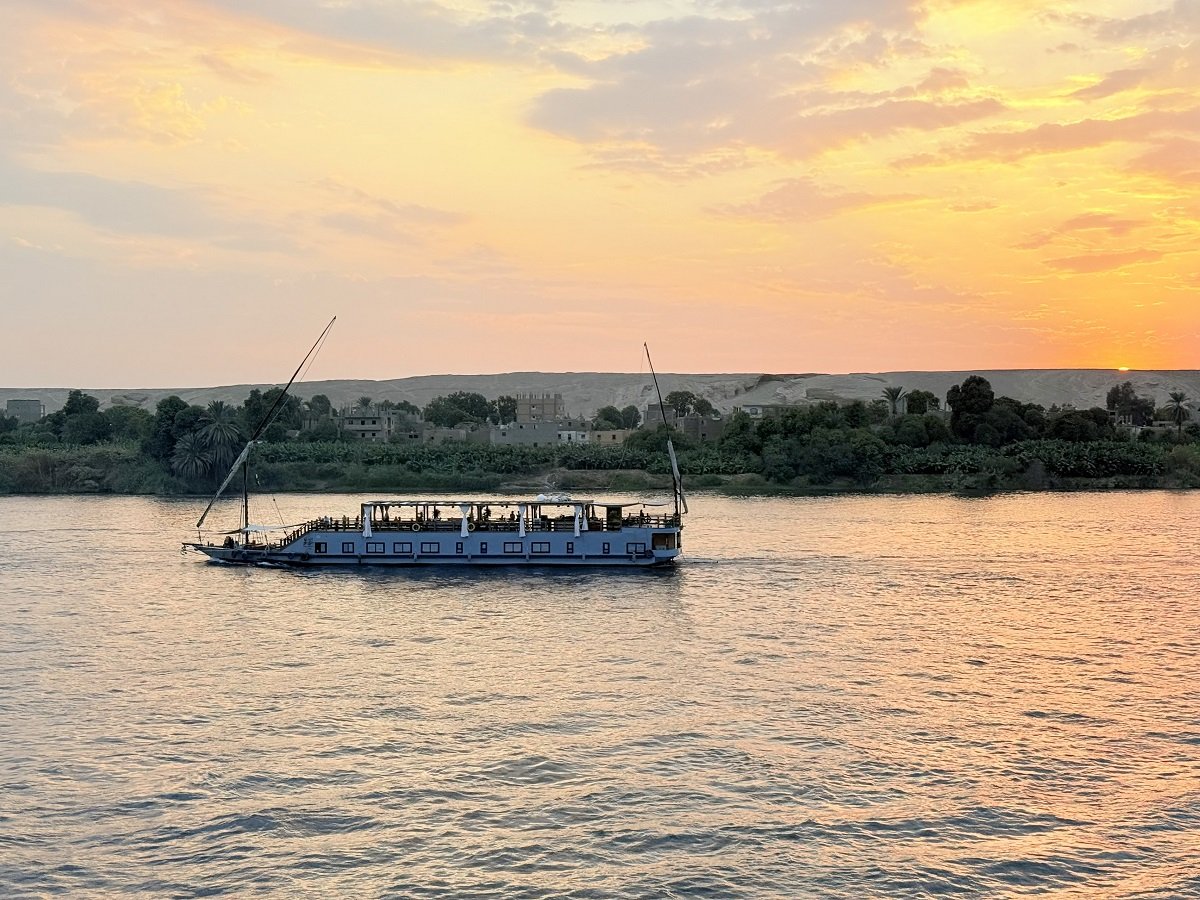
A Nile cruise ship carries between 100 and 150 guests. A dahabiya carries between 8 and 28, depending on how many cabins she has, and our own group is capped at 16. She sails rather and pulled by a tug boat and moors at islands the larger boats cannot follow her to. Because this route runs the whole way, you arrive in Luxor by water, tie up in the city for your last night aboard, and step off the boat into Luxor.
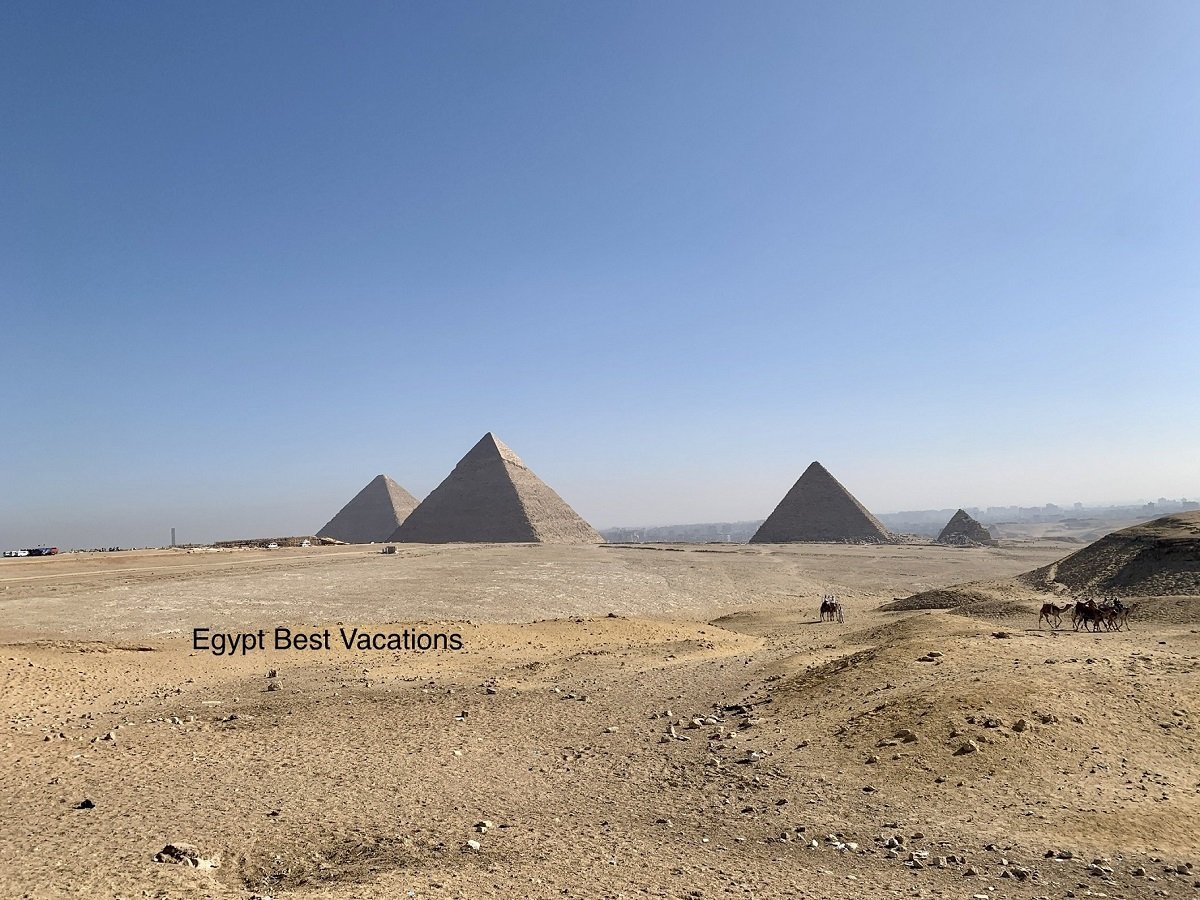
Cairo comes first. The pyramids of Khufu, Khafre and Menkaure, the Great Sphinx, and then the Grand Egyptian Museum, where the whole Tutankhamun collection is shown together for the first time since the tomb was cleared.
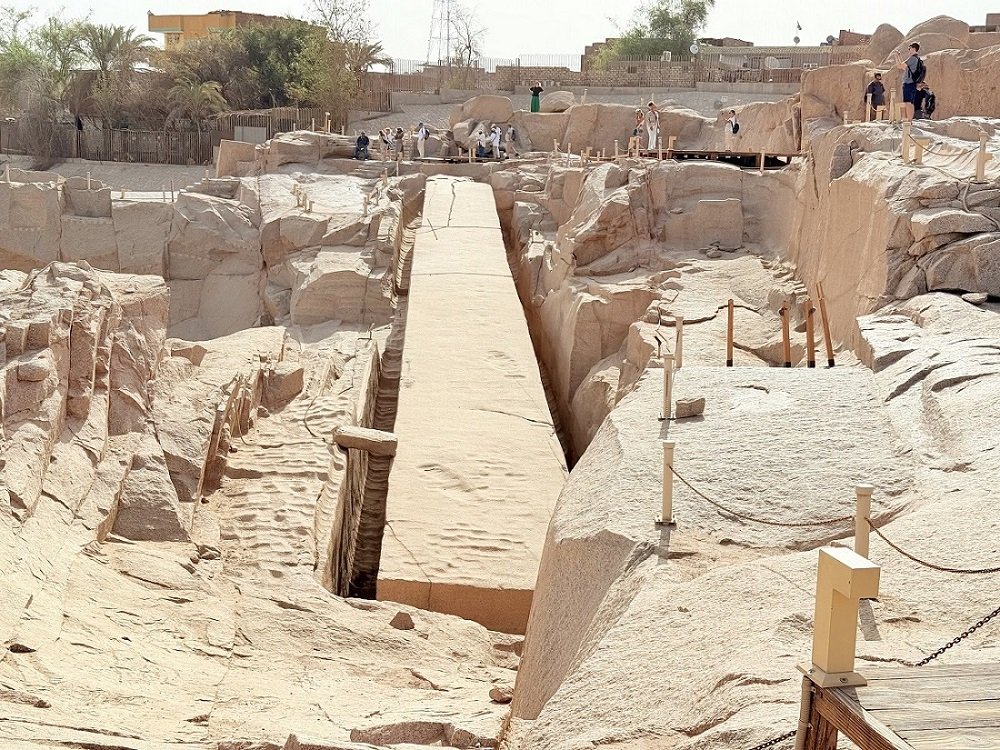
You fly south to Aswan for the High Dam, the Unfinished Obelisk still lying cracked in its granite quarry, and the Temple of Isis — dismantled into more than 40,000 blocks and rebuilt on Agilkia Island when Lake Nasser rose over its original home at Philae. You board that afternoon and moor at Aswan overnight.
The river days take in Kom Ombo, the only temple in Egypt built as a true double, and a night at Al Ramady Island away from the cruise quays. Then Esna, which is where this route earns its keep: most ships queue for the lock and pass straight through, while you stop and walk up to the Temple of Khnum, whose astronomical ceiling is coming back out from under two thousand years of soot in its original colour. You transit the Esna Lock, sail on to Luxor, and see Karnak and Luxor Temple the same evening you arrive.
One honest note: this route does not include Edfu. Aswan to Luxor is a long stretch of river, and three nights is enough to sail it properly and clear the Esna Lock but not to add Edfu as well. We would rather sail the full route than rush it.
The Luxor west bank fills the final morning aboard, and the last full day is the Cairo most visitors skip: the Citadel of Saladin, the Alabaster Mosque, the churches and synagogue of Coptic Cairo, and Khan el-Khalili. Licensed Egyptologist tour guides throughout. Egypt Best Vacations is a licensed Egyptian operator based in Luxor and a Tripadvisor Travellers’ Choice winner in 2024, 2025 and 2026.
Your Egypt Best Vacations representative meets you inside the arrivals hall at Cairo International Airport, holding a signboard with your name, and stays with you through the visa-on-arrival desk and passport control. Private transfer to your Cairo hotel. The rest of the day is yours, and your representative confirms tomorrow’s pick-up time before leaving you.
Overnight: Cairo | Meals: No meals included
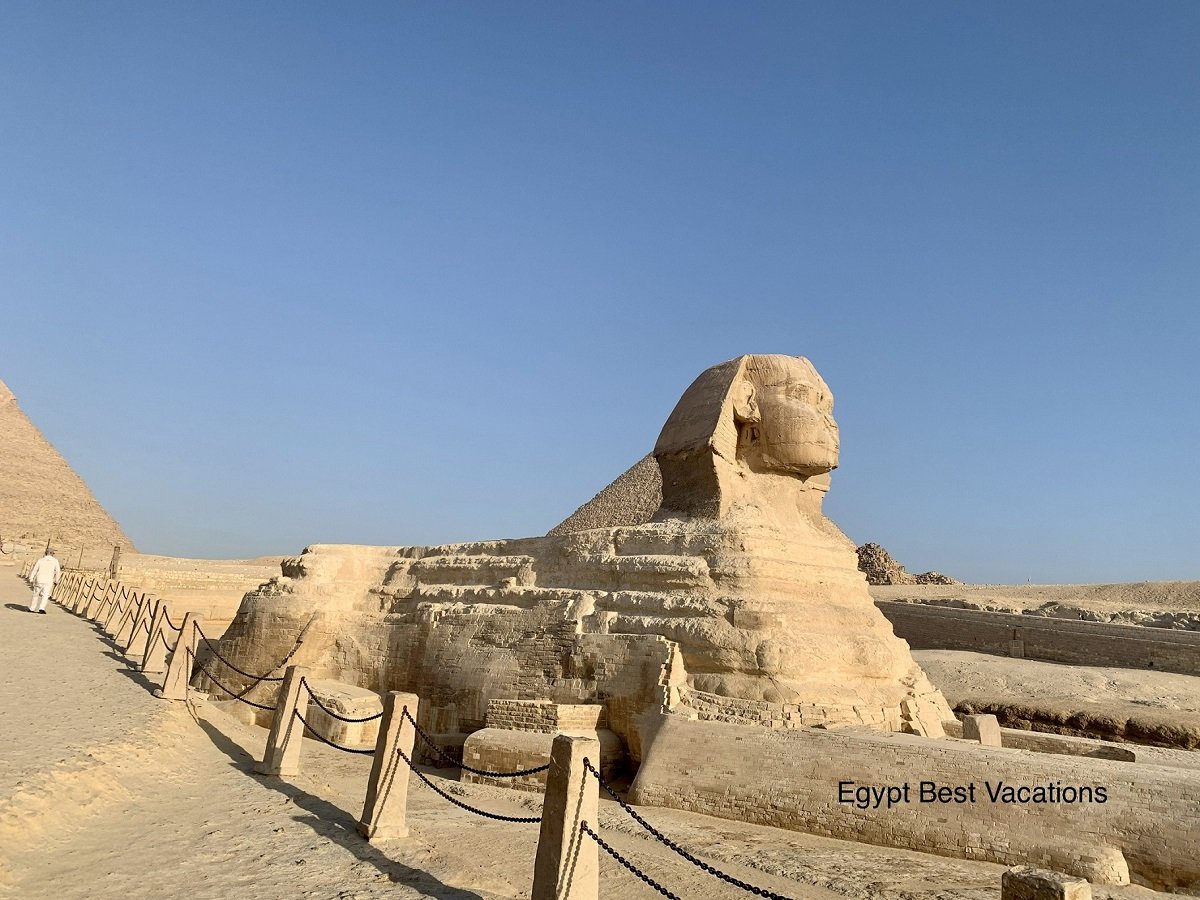
Your guide collects you from the hotel for the Giza Plateau: the pyramids of Khufu, Khafre and Menkaure from close up and again from the panoramic viewpoint that takes in all three, then down to the Great Sphinx and the valley temple of Khafre. Going inside a pyramid chamber is possible but needs a separate ticket bought at the gate.
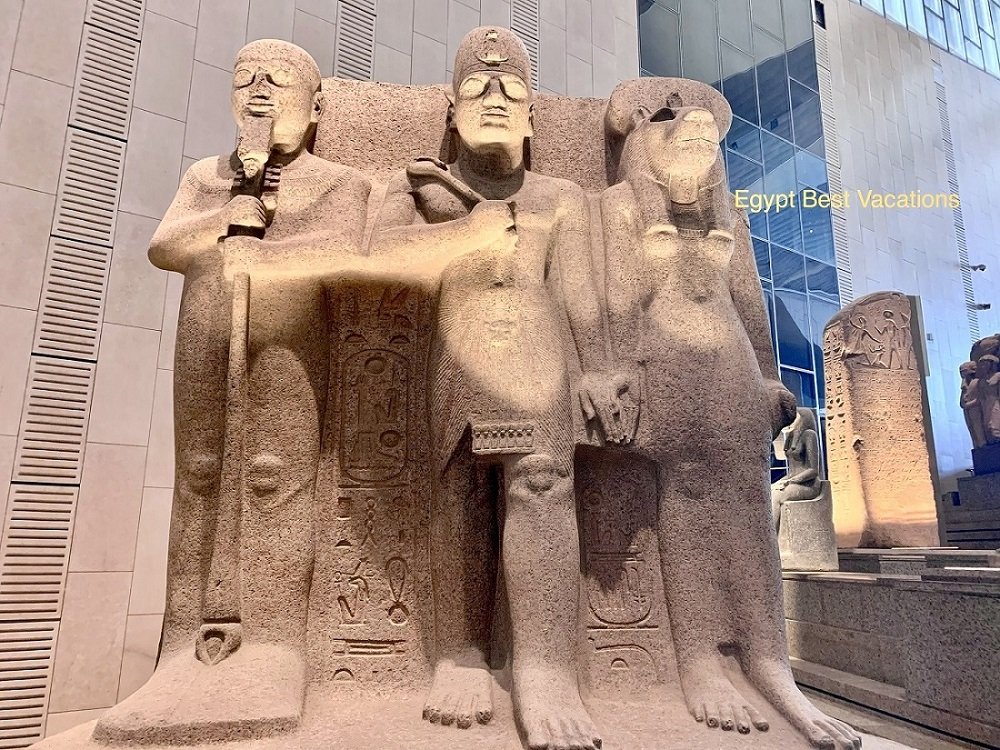
Lunch at a local restaurant, then the Grand Egyptian Museum, which opened to the public on 4 November 2025. The grand staircase carries monumental statuary up towards the main galleries, and the Tutankhamun wing shows the tomb’s contents together for the first time. Allow about three hours. Transfer back to your hotel afterwards.
Overnight: Cairo | Meals: Breakfast and lunch
Breakfast at the hotel, then transfer to Cairo Airport for the flight to Aswan, about an hour and twenty minutes. Your Aswan guide meets you in the arrivals hall.
You begin at the High Dam, built through the 1960s to end the annual flood and power the country — and in doing so creating Lake Nasser and forcing the rescue of Philae and Abu Simbel. From there to the Unfinished Obelisk, still lying where it cracked in the granite quarry; at nearly 42 metres it would have been the largest ever cut. You finish at the Temple of Isis, reached by a short boat ride across to Agilkia Island, where it was rebuilt from more than 40,000 blocks between 1972 and 1980 after the old Aswan Dam left its original site submerged for most of each year.
Transfer to your dahabiya and settle in. She stays moored at Aswan tonight, so your first evening on board is a quiet one, with dinner served on deck.
Overnight: Aboard the dahabiya, moored at Aswan | Meals: Breakfast, lunch and dinner
A slow morning on board at Aswan — the one genuinely unhurried stretch of the whole eight days.
The dahabiya casts off around two in the afternoon.
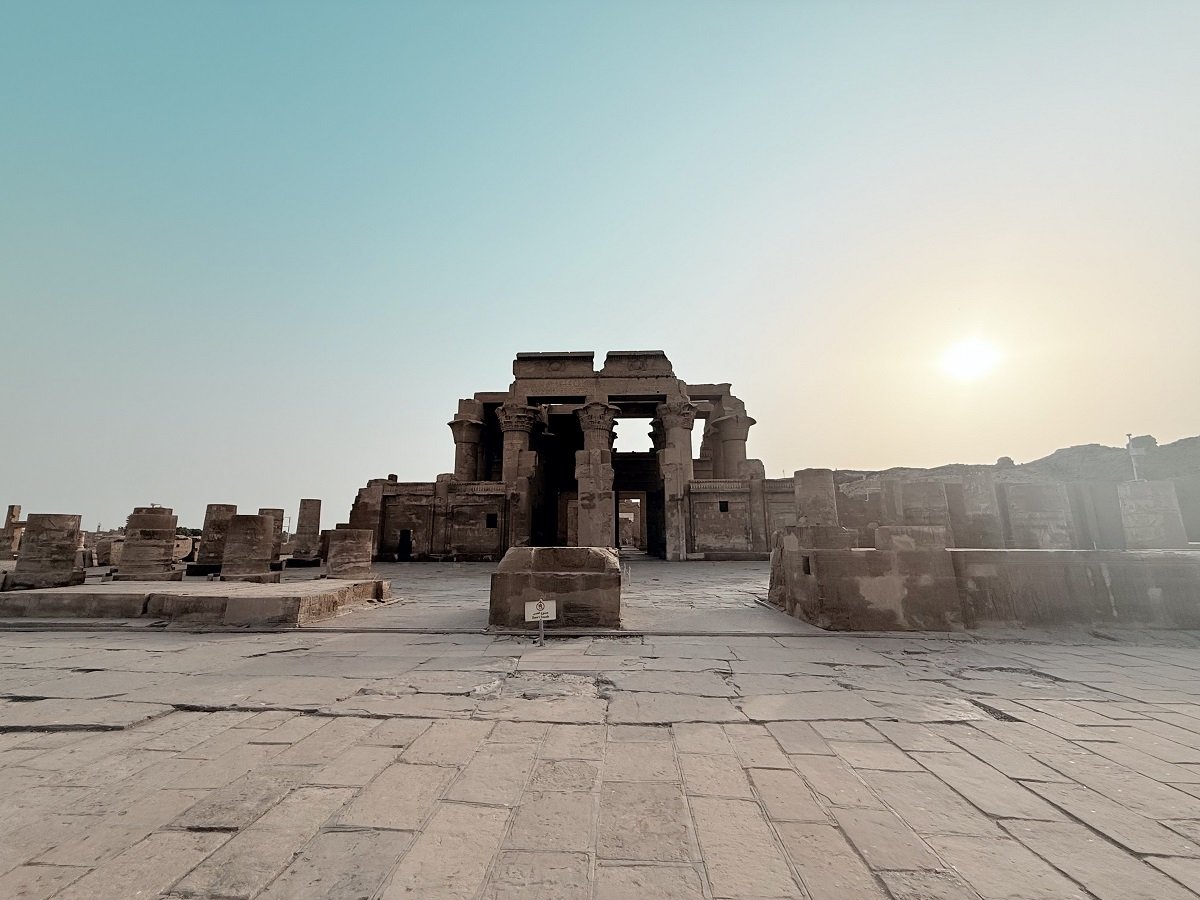
You sail north to Kom Ombo, which sits right on the bank, so you step off the boat and into the temple. It is the only temple in Egypt built as a true double: two entrances, two hypostyle halls and two sanctuaries, one side for Sobek the crocodile god and one for Haroeris, Horus the Elder. The main structure dates to Ptolemy VI, with Roman emperors including Tiberius, Domitian and Caracalla adding to it across roughly four centuries. Look for the relief of surgical instruments, among the earliest medical images to survive from the ancient world. The Crocodile Museum alongside holds the mummified crocodiles recovered from the site.
Back aboard for a short sail to Al Ramady Island, where you moor for the night well away from the cruise quays.
Optional add-on: Abu Simbel by road from Aswan, taken in the morning and back before the dahabiya sails — it needs a pre-dawn start, so ask us in advance
Overnight: Aboard the dahabiya, moored at Al Ramady Island | Meals: Breakfast, lunch and dinner
A short walk from the mooring brings you to the Temple of Khnum at Esna — the ram-headed creator god who was said to have shaped human beings on a potter’s wheel. Most cruise ships queue for the lock and never stop here at all. The temple sits below the level of the modern town, and its astronomical ceiling has been under conservation for several years now, emerging from two thousand years of soot in its original colours. It is one of the few places in Egypt where you can see how vividly these buildings were painted.
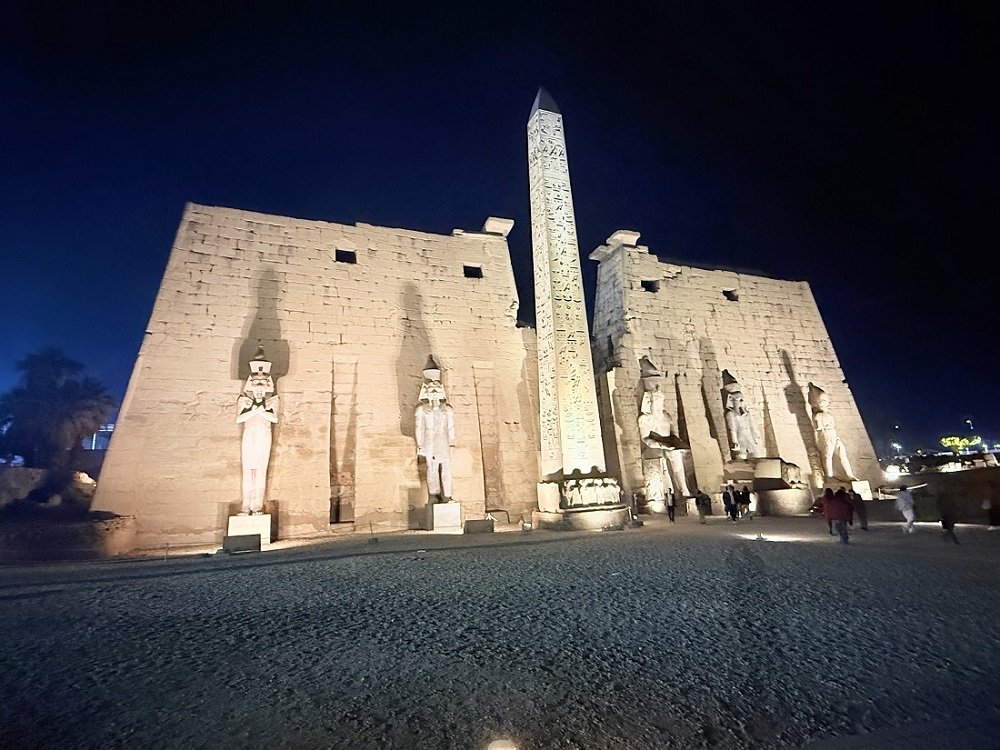
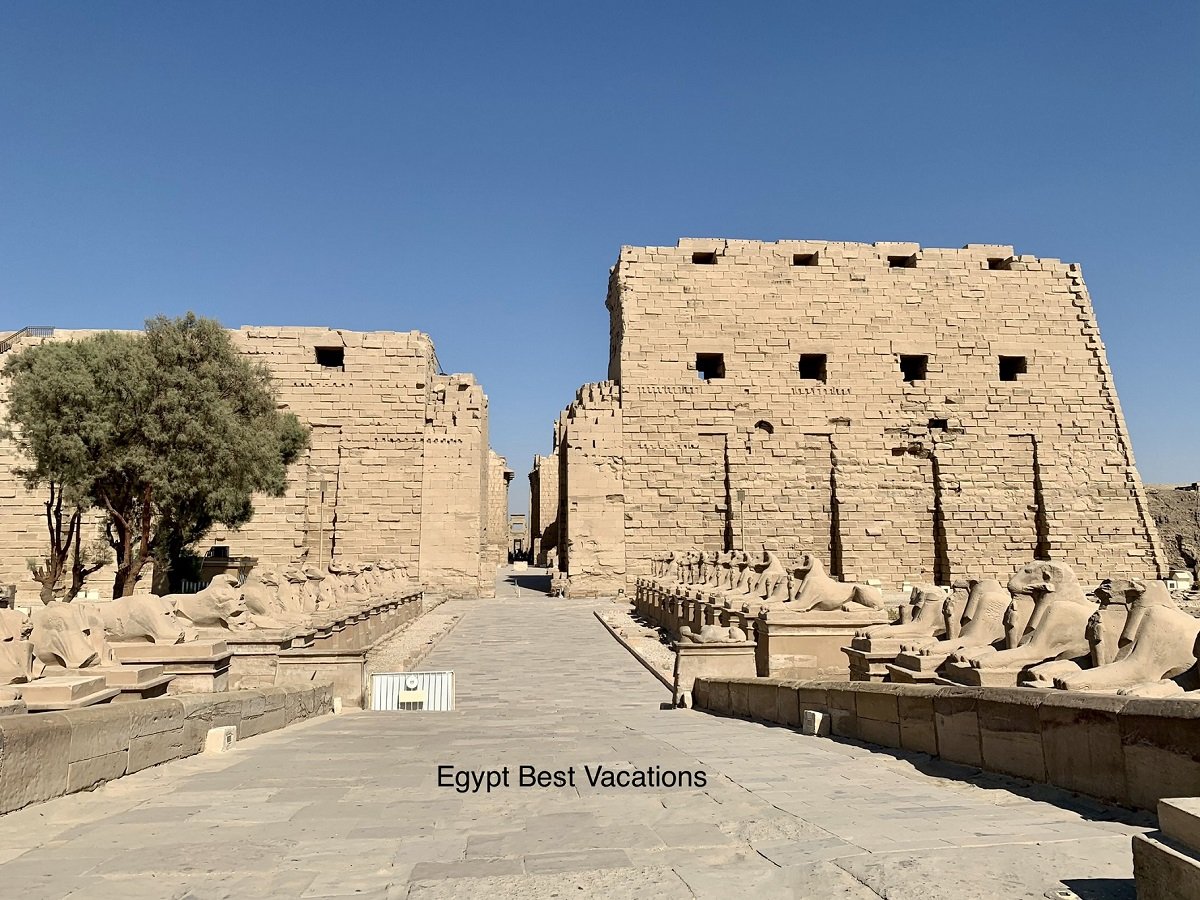
You then transit the Esna Lock and sail on to Luxor, arriving that evening. Karnak first — roughly 100 hectares, thirty pharaohs building on one site across some 2,000 years — then Luxor Temple, joined to it by the Avenue of Sphinxes. Both were dedicated to Amun, Mut and their son Khonsu, the Theban triad.
Your final night aboard is spent moored in Luxor itself, with the temple lit up on the bank.
Overnight: Aboard the dahabiya, moored at Luxor | Meals: Breakfast, lunch and dinner
Disembark after breakfast — no transfer needed, because the boat has brought you the whole way — and cross to the west bank.
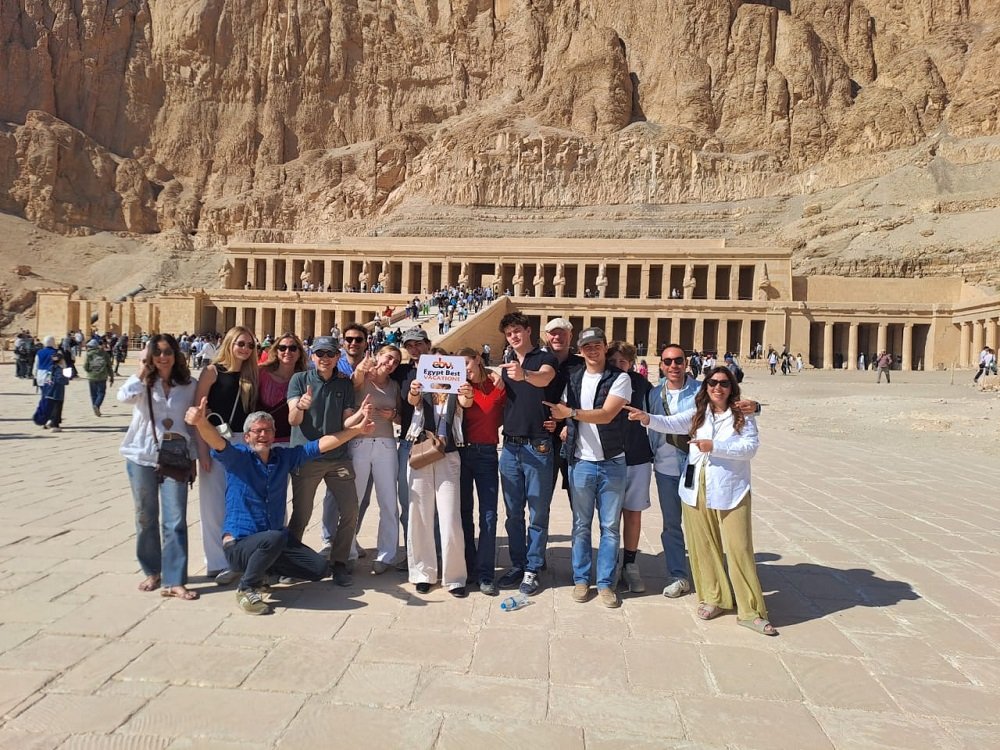
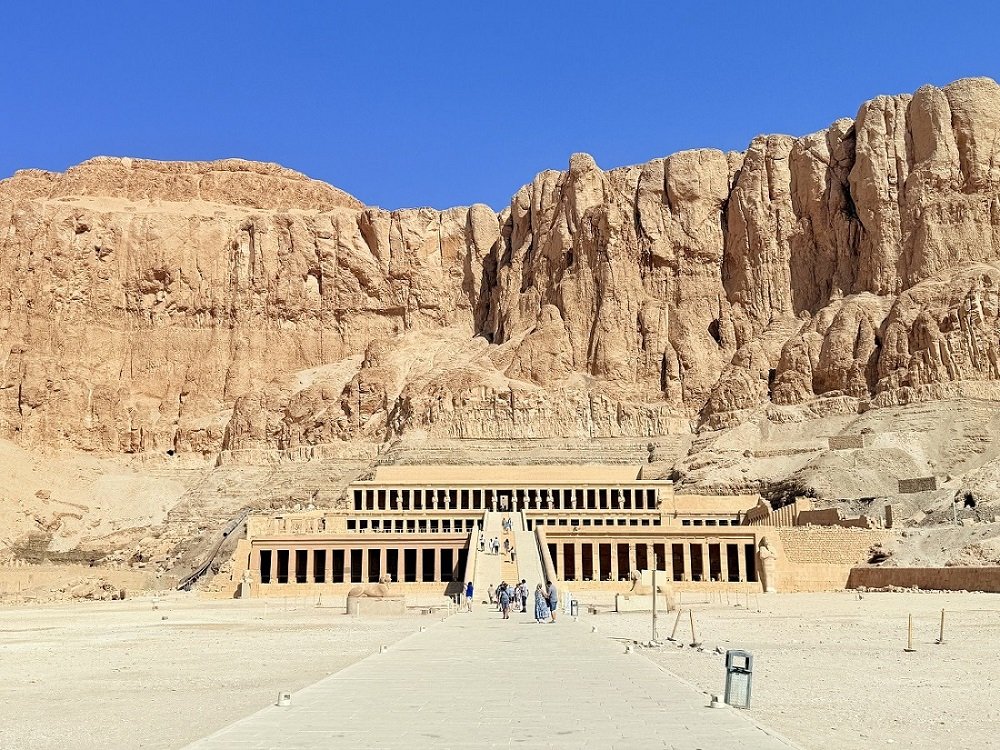
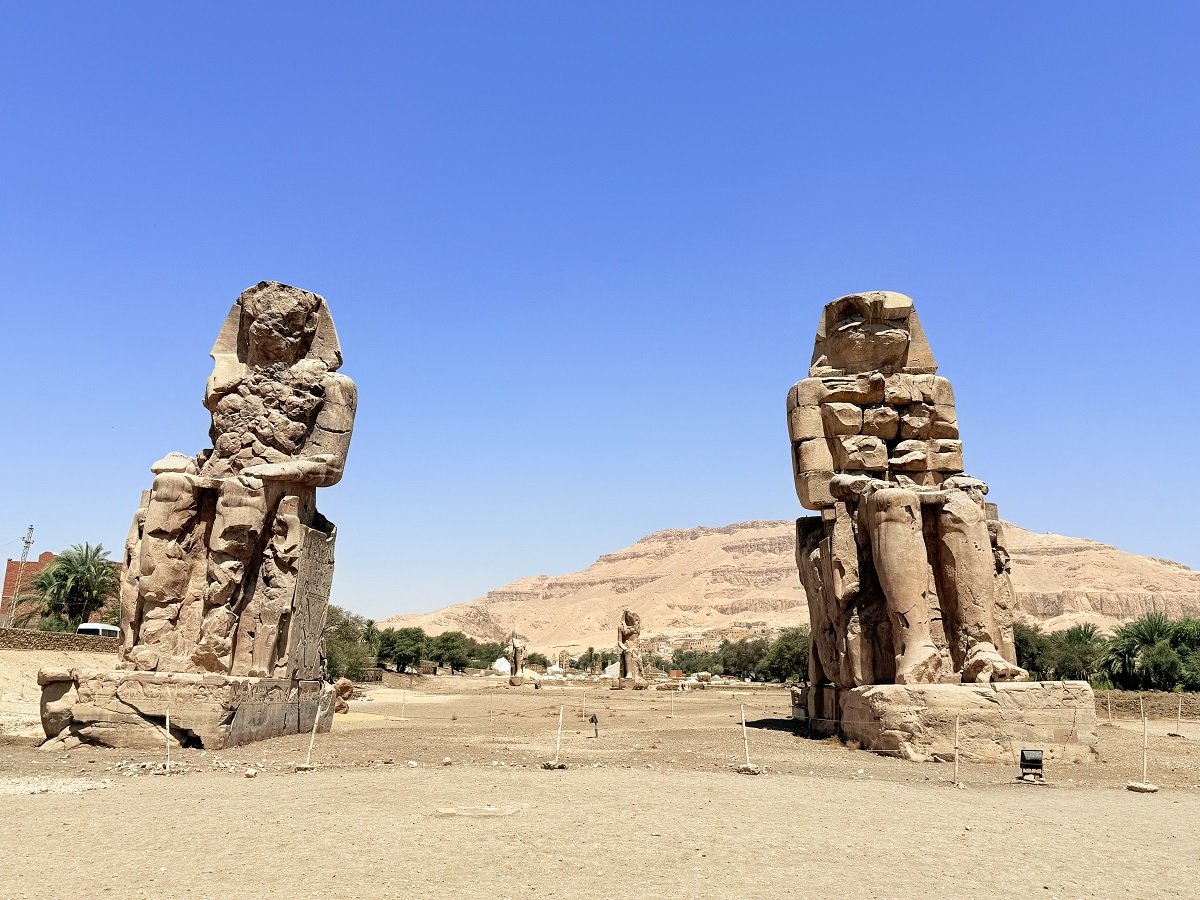
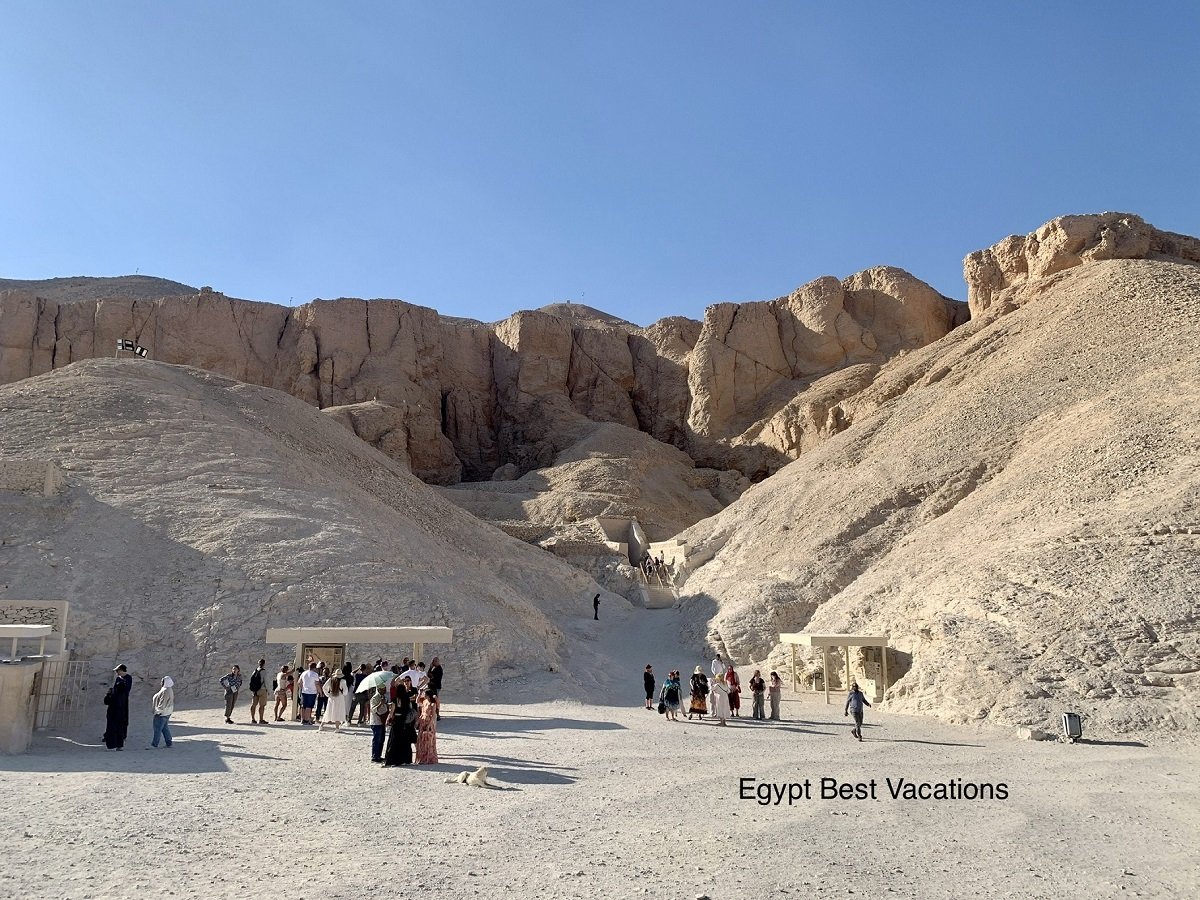
In the Valley of the Kings, 65 numbered tombs and chambers are cut into the limestone and a rotating selection is open at any time, so your guide picks the three strongest on the day. Then Hatshepsut’s mortuary temple, rising in three terraces against the cliff at Deir el-Bahari; she ruled for about twenty years as senior co-ruler alongside her stepson Thutmose III. The Colossi of Memnon on the way back, two quartzite statues of Amenhotep III around 18 metres high.
Lunch at a local restaurant, then transfer to Luxor Airport for the evening flight to Cairo, where you are met and taken to your hotel.
Optional add-on: Sunrise hot air balloon over the west bank, if you add a night in Luxor
Overnight: Cairo | Meals: Breakfast and lunch
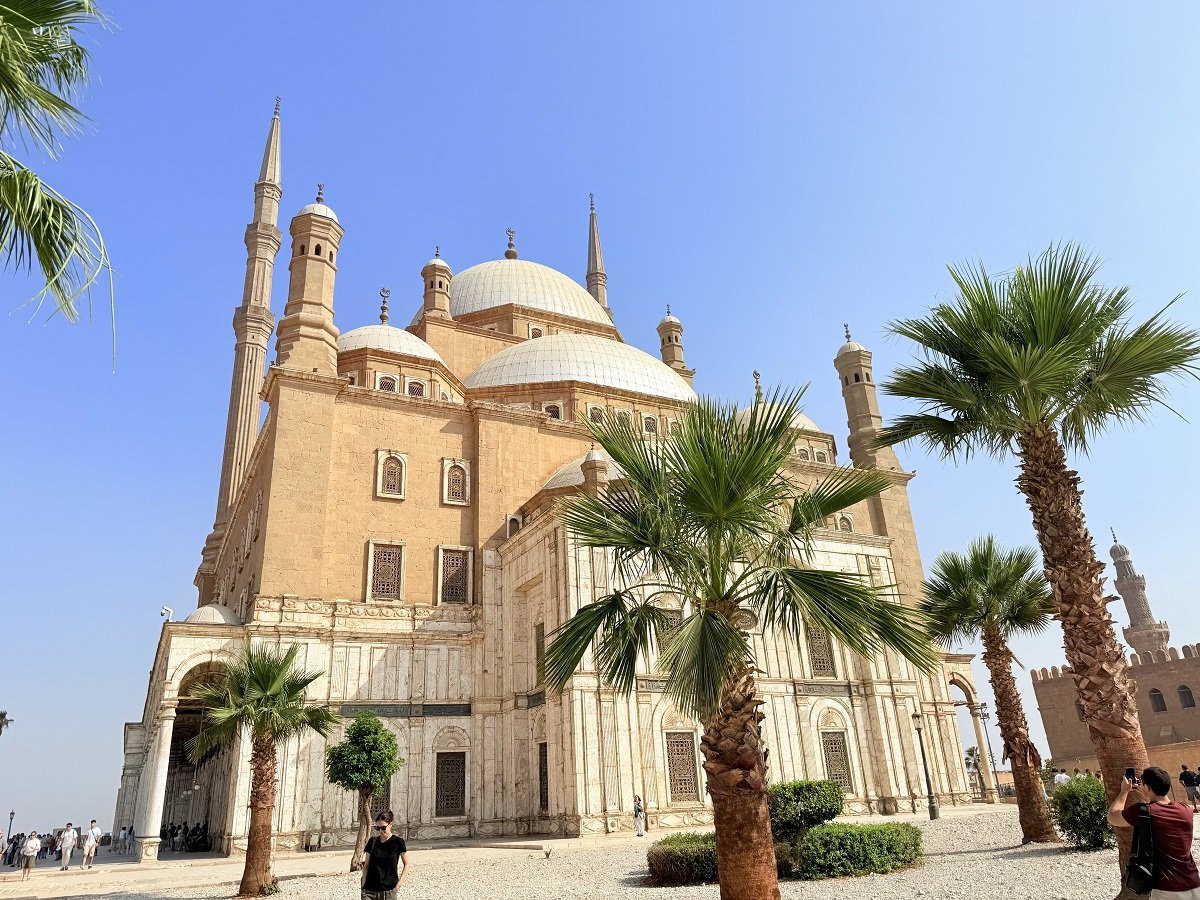
Start at the Citadel of Saladin, begun in 1176 to defend Cairo against the Crusaders and expanded by successive rulers for the next 700 years. Inside stands the Mosque of Muhammad Ali, built between 1830 and 1848 and faced in alabaster, which is why Cairo calls it the Alabaster Mosque. The terrace outside gives one of the best views over the city.
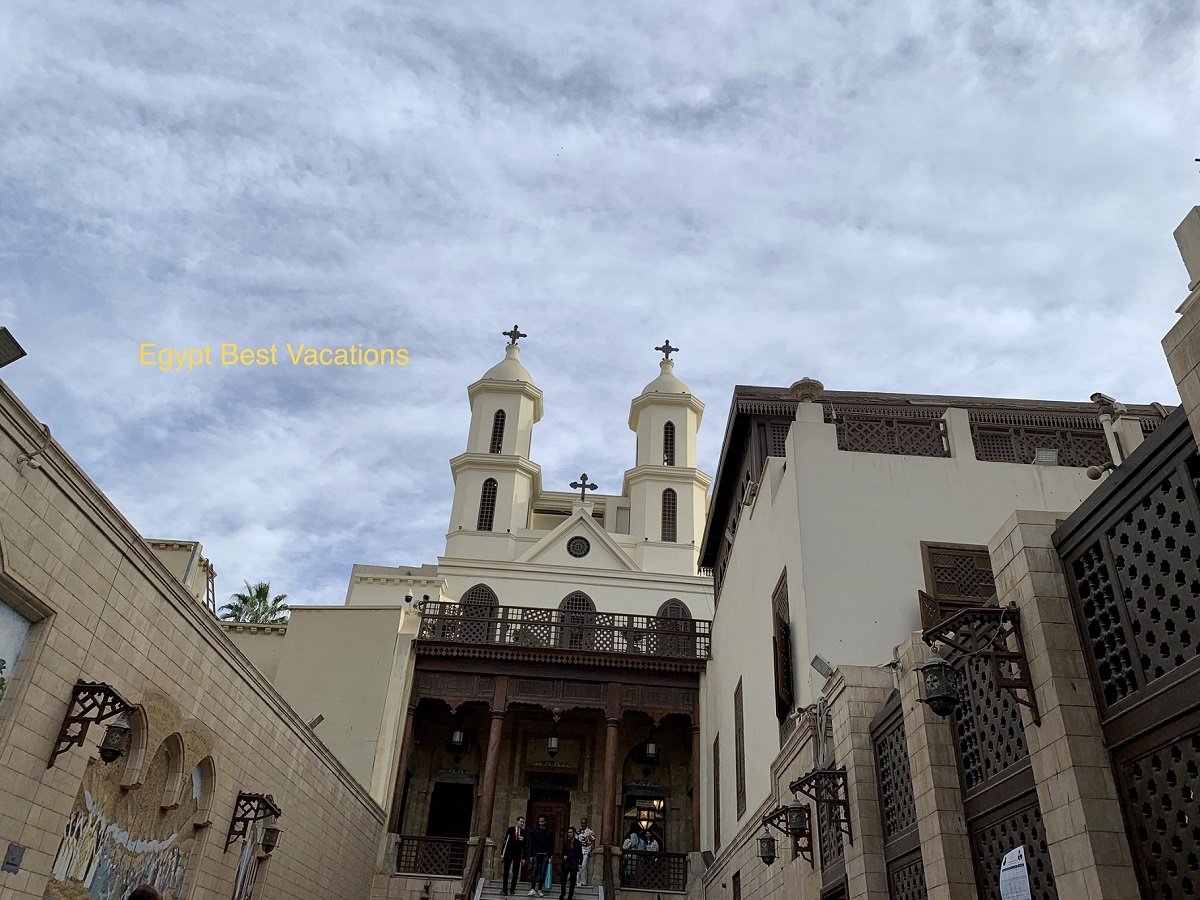
Continue to Coptic Cairo, built inside and around the walls of the Roman fortress of Babylon. You visit the Hanging Church, suspended above the fortress gatehouse; Abu Serga, traditionally held to stand where the Holy Family sheltered; and the Ben Ezra Synagogue, whose storeroom yielded around 300,000 medieval manuscript fragments now known as the Cairo Geniza.
Finish at Khan el-Khalili, a working market since 1382, for lanterns, spices, silver and coffee at El Fishawy. Transfer back to your hotel for the final night.
Overnight: Cairo | Meals: Breakfast
Breakfast at the hotel, then transfer to Cairo International Airport for your departure flight. If your flight is late in the day, ask us about a late check-out or a day-use room, and we can add a few hours of sightseeing rather than leaving you at the airport.
Meals: Breakfast
Standard dahabiya + Egyptian 5-star Standard Cairo hotel – comparable to a 3.5-star in the US or Europe
| Travel season | Twin / double | Single occupancy |
|---|---|---|
| 1 May – 30 September | $1,770 | $3,010 |
| 1 October – 18 December | $1,915 | $3,255 |
| 19 December – 10 January (Christmas and New Year) | $2,555 | $4,345 |
| 11 January – 25 March | $1,915 | $3,255 |
| 26 March – 10 April (Easter) | $2,355 | $4,005 |
| 11 April – 30 April | $1,915 | $3,255 |
Boats: Royal Cleopatra, Nour Ed-Din, Three Pyramids or similar
Cairo: Safir Cairo, Sonesta Cairo, Holiday Inn Citystars, Cairo Pyramids Hotel, Ramses Hilton or similar
Deluxe dahabiya + Egyptian 5-star deluxe Cairo hotel — comparable to a 4-star in the US or Europe
| Travel season | Twin / double | Single occupancy |
|---|---|---|
| 1 May – 30 September | $2,100 | $3,570 |
| 1 October – 18 December | $2,295 | $3,900 |
| 19 December – 10 January (Christmas and New Year) | $3,020 | $5,135 |
| 11 January – 25 March | $2,295 | $3,900 |
| 26 March – 10 April (Easter) | $2,735 | $4,650 |
| 11 April – 30 April | $2,295 | $3,900 |
Boats: Dahab, Merit, Swan, Iris or similar
Cairo: Concorde El Salam, Hilton Cairo Heliopolis, Renaissance Cairo Mirage City or similar
Luxury dahabiya + Egyptian 5-star ultra deluxe Cairo hotel — comparable to 4.5-star in in the US or Europe
| Travel season | Twin / double | Single occupancy |
|---|---|---|
| 1 May – 30 September | $2,990 | $5,085 |
| 1 October – 18 December | $3,335 | $5,670 |
| 19 December – 10 January (Christmas and New Year) | $4,445 | $7,555 |
| 11 January – 25 March | $3,335 | $5,670 |
| 26 March – 10 April (Easter) | $4,170 | $7,090 |
| 11 April – 30 April | $3,335 | $5,670 |
Boats: Azhar, Princess Farida, Hathor or similar
Cairo: Sofitel Cairo Downtown Nile, Sofitel Cairo Nile El Gezirah, Kempinski Nile, Sheraton Cairo, InterContinental Cairo Semiramis or similar